TEHRAN – This year’s anniversary of the liberation of the strategic Iranian port city of Khorramshahr from Iraqi occupation has come into sharp focus amid Iran’s enduring resilience and resistance, set against the backdrop of recent US-Israeli aggression.
The Iraqi army invaded Iran on September 22, 1980, launching a full-scale offensive under Saddam Hussein’s Ba’athist regime. With political and military backing from several Western countries, including the United States, Iraq quickly advanced into southwestern Iran. Khorramshahr, in Khuzestan province, fell under full Iraqi occupation by late October 1980.
In April 1982, Iran launched a large-scale, multi-phase operation to retake Khorramshahr and other occupied areas of Khuzestan. On May 24, 1982, Iranian forces successfully liberated the city, ending nearly 20 months of occupation. The liberation marked a decisive turning point in the eight-year Iran–Iraq War (1980–1988) and became a powerful symbol of national resistance and resilience in the face of a heavily armed adversary supported by major global powers. It also underscored Iran’s capacity to sustain prolonged military pressure while defending its territorial integrity.
From this perspective, the experience of Khorramshahr and the 39-day US-Israeli war launched against Iran on February 28 are presented as comparable episodes, highlighting Iran’s continued ability to withstand external pressure as a defining feature of its strategic posture.
The liberation of Khorramshahr not only marked the defeat of Iraqi forces but also dealt a setback to the broader network of external support behind Saddam Hussein’s war effort. It reinforced the belief that Iran is prepared to pay any price to defend its sovereignty.
This spirit was also reflected in the recent conflict involving Iran and the two militarily advanced powers. Despite intense pressure, Iran’s military capabilities led Washington to agree to a ceasefire on April 8 and accept its terms. In a broader assessment of US–Iran tensions, German Chancellor Friedrich Merz has said that the United States has been “humiliated” by Iran’s leadership.
President Pezeshkian: Resistance rooted in Iran’s culture
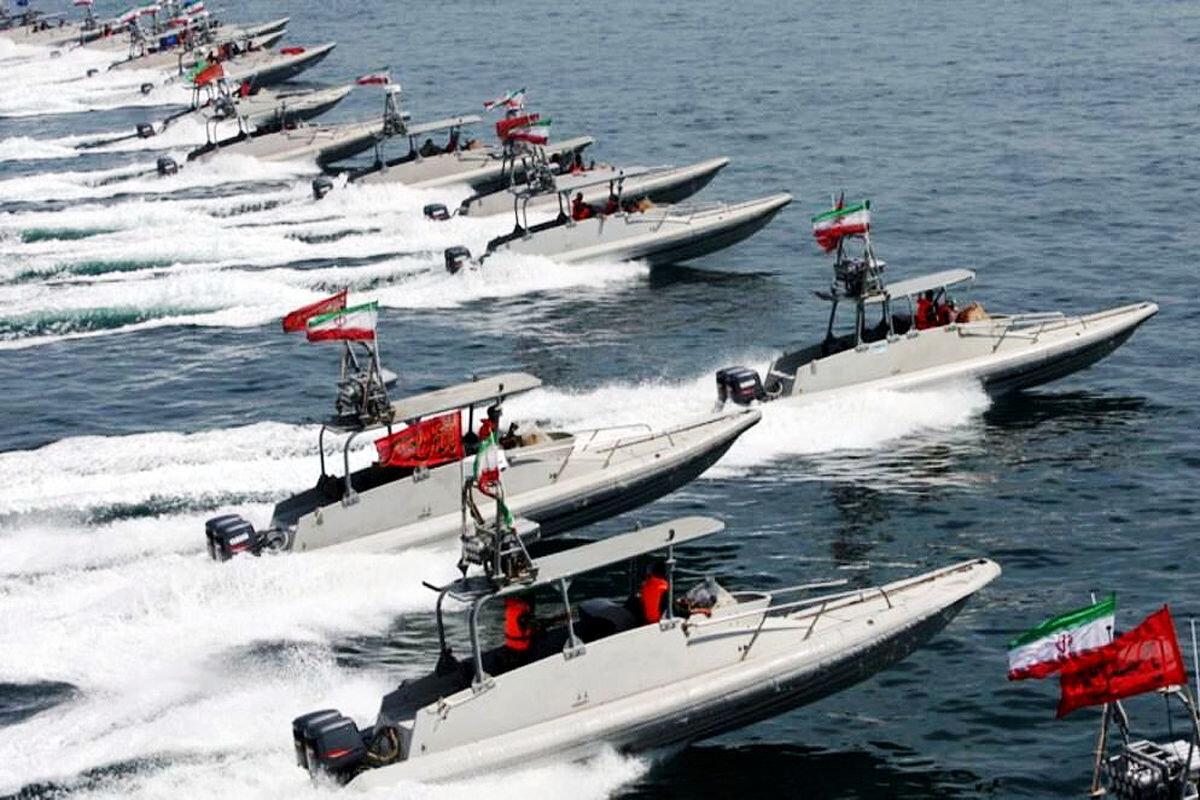
In a message posted on X, Iran’s President Masoud Pezeshkian drew a direct comparison between the liberation of Khorramshahr and current regional tensions. Referring to the presence of US naval forces in the region, he praised the enduring bravery of Iranians in resisting external pressure.
“Today, Iran’s Khorramshahr is the Persian Gulf and the Strait of Hormuz. Just as the brave yet battle-untested people of Khorramshahr stood for days against an invading army, the nation today continues to demonstrate the strength of the Iranian people to the world. Resistance, sacrifice, and the repelling of aggression are deeply rooted in the culture of this land,” Pezeshkian said.
Taken together, these developments reflect Iran’s view that its strength comes from experience, unity, and resilience. From Khorramshahr to the Strait of Hormuz, the message remains unchanged: external pressure has not broken Iran’s resolve, and its ability to resist and defend itself remains strong.
Disclaimer : This story is auto aggregated by a computer programme and has not been created or edited by DOWNTHENEWS. Publisher: tehrantimes.com