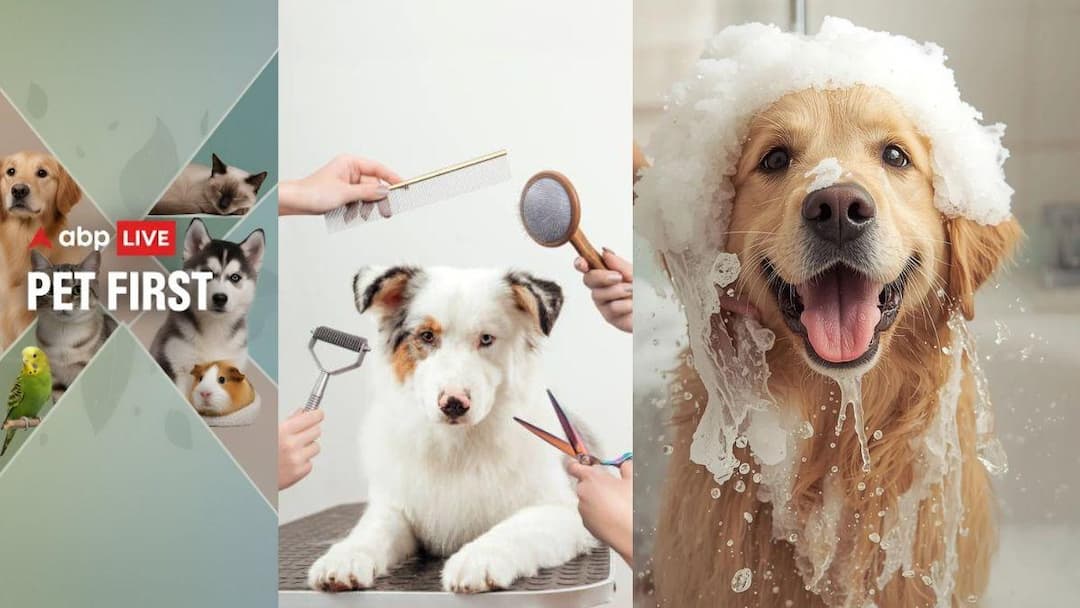
- Grooming fosters trust, prevents health problems, and reduces shedding.
- Prepare essential kit for brushing, bathing, and nail care.
- Bathe, brush, and trim nails using gentle, stepwise techniques.
- Ensure crucial ear and dental care prevents common infections.
Grooming your dog is more than appearance; it builds trust and helps you spot health issues early. Regular sessions familiarise your pet with handling, reduce shedding and prevent painful mats. With the right tools and gradual training, most dogs learn to tolerate and even enjoy grooming, whether you’re brushing long fur, bathing a puppy or trimming nails. Start by checking your dog for soreness, lumps or skin changes and address concerns with a vet. This guide covers essential supplies, step-by-step techniques for bathing, brushing, ear and dental care, and gentle ways to introduce nail trims so grooming becomes stress-free for both of you.
Essential Grooming Kit
- Brushes, clippers and cleaners you’ll need
- Dog shampoo: Choose a formula for your dog’s life stage and skin type.
- Brushes and combs: Match brush type to coat — slicker, pin, rake or rubber mitt.
- Nail tools: Clippers sized for your dog, plus a file and styptic powder.
- Bath extras: Large cup or bucket, conditioner/detangler, ophthalmic ointment, towel, and optional shower spray.
- Health items: Ear cleaner, toothbrush and toothpaste for dogs, parasite control as advised by your vet.
ALSO READ | ABP Live Pet First | Pet Safety Alert: 5 Deadly Summer Mistakes Every Owner Must Avoid
Brushing And Deshedding
How often and which tools to use
- Frequency: Daily or several times weekly to remove dead hair and prevent tangles.
- Technique: Work to the skin for thick coats; use gentle strokes to avoid brush burn.
- Tools: Curved slicker or pin brush for long straight coats, wire slicker for medium/dense coats, rakes for undercoat, mitts for short coats.
- Troubleshooting: Use detangler for knots; comb through remaining tangles before bathing.
ALSO READ | ABP Live Pet First: 5 Ways To Give Your Pet A Longer, Healthier Life
Bathing Your Dog
- A calm, safe bath routine
- Water temperature: Warm water, even in summer, to avoid chilling.
- Method: Support small dogs, massage shampoo over the whole body, rinse thoroughly.
- Conditioner: Apply and comb through long hair before final rinse if needed.
- Drying: Towel-dry and use a hair dryer on low heat for vulnerable or cold-sensitive dogs.
Nail trimming safely
Stepwise training and injury prevention
- Start slow: Handle feet regularly, simulate clipping action before cutting.
- Locate the quick and avoid it; cut small amounts and repeat until nails are short.
- If bleeding occurs, apply styptic powder and pressure until it stops.
- Training tip: Trim one nail per session and reward to build tolerance.
Ear And Dental Care
Prevent infections and spot problems early
- Ears: Check regularly; wipe folds with a cotton ball dampened in ear cleaner, from base to tip. Avoid cotton swabs. See a vet for foul odours, discharge or soreness.
- Teeth: Use a dog toothbrush and toothpaste to massage gums and clean teeth slowly and positively.
- When to seek help: Any redness, persistent bad smell, swelling or sudden behavioural change around the ears or mouth.
Regular grooming strengthens your bond and keeps your dog healthy. Start slowly, use the right kit, and consult a professional or your vet for any concerns. With patience and positive reinforcement, grooming becomes an easy, routine part of care that benefits you both.
Before You Go
Breaking News: US Naval Blockade Challenged as Multiple Ships Exit Iranian Ports Amid Hormuz Tensions
Disclaimer : This story is auto aggregated by a computer programme and has not been created or edited by DOWNTHENEWS. Publisher: abplive.com