As the weeks ticked down to her departure from Downing Street in 2019, Theresa May had a plan. Not only did she want to put a net zero target into law, but she wanted the UK to be the first major economy to do so. And that meant beating the French.
“It required the machinery of government to move more quickly than the French parliament,” a No 10 official from the time recalls. And it worked: the UK target came into force in June 2019, six weeks before May handed over to Boris Johnson, and five months before the French. She had her legacy.
With the Makerfield byelection little more than a week away, and with it the possible return to Westminster of Andy Burnham, there is a sense that Keir Starmer is entering his own legacy period – not just tying up loose ends, but seeking to create impacts that last.
The long-awaited defence investment plan is expected this week. Efforts are moving ahead to renew ties with the EU. And along with imminent measures to limit access to social media, there is sudden action to block explicit images on children’s phones, a longstanding demand from campaigners.
This idea of a prime minister trying to hastily burnish a reputation for the history books is brusquely dismissed by No 10 officials: one called the idea nothing more than “lazy journalism”.
Allies of Starmer are less obviously dismissive, but point out that it is hard to definitively separate a would-be legacy from a PM who – unlike May – has not said he will step down, let alone given a date, and is thus still very much getting on with the job.
“I think this is less about defining a legacy, and more about showing public and party that this government can deliver meaty and transformational policy change,” a government source said. “I think it’s then on Burnham, [Wes] Streeting and anyone else to explain what it is they would do differently, and how they would either pay for it or deliver.”
Policies on areas such as defence, the EU and social media were already happening, they said. “Either we get on and deliver them over the next six months or we essentially pause because of other people’s ambitions.”
This is particularly important given that Starmer might still want to remain as Labour leader even if he is challenged. One official said: “You can’t credibly say you’re going to fight on as PM if you’ve sat on your hands for a few weeks during the byelection.”
It is, however, undeniable that when an exit date approaches, thoughts within Downing Street inevitably turn to what has been achieved, what chances were wasted, and how it will all be remembered.
“While every prime minister says they are aware they only serve at the consent of the people, they all think they will go on for ever,” said Anthony Seldon, the historian and author who has written biographies of every UK prime minister from John Major to Liz Truss. “But at some point – usually after everyone else around them has realised it – they understand their time is running out, and they think about their legacy.”
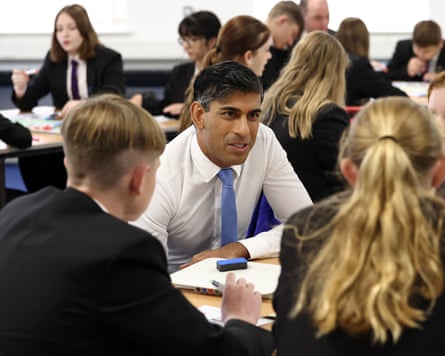
What this means can vary not just in terms of subject matter, but approach. If Starmer manages to introduce a workable plan for limiting children’s access to social media, it would be broadly comparable to Rishi Sunak’s law to ban smoking for anyone born after 2008.
Treated with much scepticism by libertarian Conservatives, it was an obvious legacy project for a PM who could see defeat looming in the 2024 election. His bill ran out of parliamentary time, but was picked up by Labour and became law in April.
Other occupants of No 10 have more obvious if not always welcome legacies, and prefer to point to other things. As he prepared to leave office, Tony Blair talked increasingly about the Northern Ireland peace deal, an early achievement, as opposed to the Iraq war.
Similarly, in their own ways, David Cameron and Johnson had premierships defined by Brexit, but were clearly happier if this was, respectively, the vote to legalise equal marriage and staunch UK support for Ukraine.
Seldon argues that much of this can distract from a sober assessment of how well or not a prime minister performs on the key duties of their office: keeping the country and the public finances safe.
Any legacy must be considered in the context of what was politically possible: “Rishi Sunak came in as head of a damaged and weakened party, and there was only going to be so much he could do. But with the mandate Keir Starmer arrived with, he had a much bigger opportunity, which he has wasted.”
Disclaimer : This story is auto aggregated by a computer programme and has not been created or edited by DOWNTHENEWS. Publisher: theguardian.com