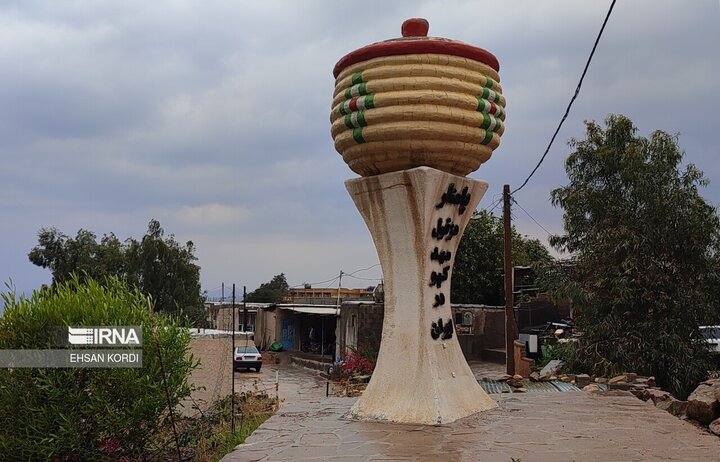
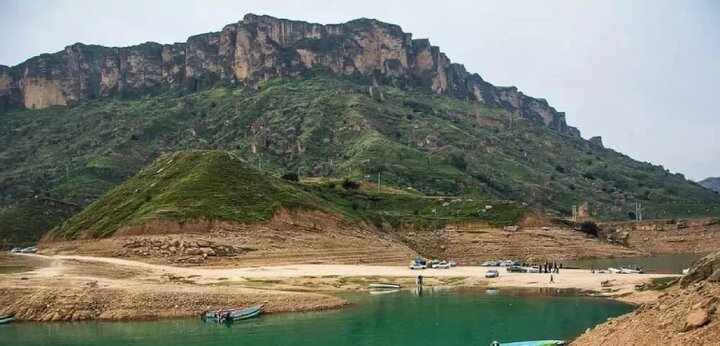
TEHRAN – Nestled in the mountainous Shahiyun district of Dezful in southwestern Iran’s Khuzestan province, the village of Pamenar has emerged as a notable example of community-based sustainable tourism, where residents have combined traditional knowledge, environmental protection, and cultural heritage to create new economic opportunities while preserving their rural identity.
Overlooking the waters of the Dez Dam reservoir and situated near the protected areas of Qaleh Shadab and Chehel-Pa, Pamenar has increasingly attracted domestic and international visitors seeking ecotourism experiences, handicrafts, and wildlife observation. Local tourism experts say the village’s development model is rooted in the active participation of its residents and their close relationship with the natural and cultural landscape inherited from previous generations.
According to Azardokht Nouzari, a tour guide and ecotourism expert from Khuzestan province, one of Pamenar’s defining features is the collective determination of its residents to transform the village into a sustainable tourism destination.
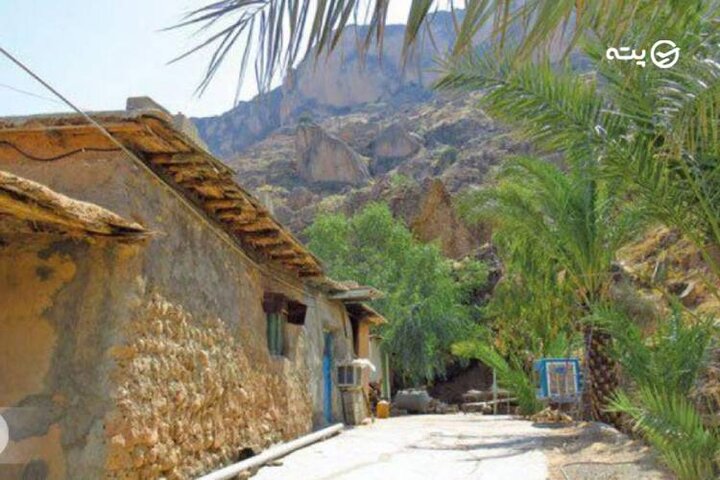
The modern history of the village dates back to the 1960s, when the construction and filling of the Dez Dam submerged the original settlement beneath the reservoir’s waters. Many residents left their ancestral lands at the time, relocating to nearby towns and cities. However, a number of families chose to remain in the area and rebuilt their homes beside the newly formed lake, often reusing materials salvaged from their former houses.
Residents and local observers describe the rebuilding of Pamenar as a symbol of resilience and attachment to place. As the village gradually revived, some former residents who had migrated to urban areas returned to help rebuild community life.
Today, local participation forms the backbone of the village’s tourism economy. Residents are involved in handicrafts, ecotourism services, hospitality businesses, environmental conservation projects, and lake-based recreational activities.
Among the most prominent cultural traditions in Pamenar is “kapou-bafi,” a form of woven handicraft historically produced for household use. The craft was initially practiced by men using young palm leaves and a native plant that was once considered a wild weed in the region. Over time, women became increasingly involved in the production process, introducing new patterns and decorative styles.
Following the national registration of kapou weaving as an Iranian handicraft, the art form expanded beyond the village and spread throughout Khuzestan through locally organized training workshops. In 2024, the city of Dezful was designated as a World City of Kapou by international handicraft organizations, further increasing attention toward the region and its traditional crafts.
The growing prominence of kapou weaving has contributed to a rise in tourism to Pamenar, regarded as one of the craft’s historical centers. Visitors travel to the village to observe artisans at work and purchase handcrafted products.
Local officials and residents say nearly all members of the village community — including women, men, and children — now participate in the craft either as an artistic practice or as a source of income. Over generations, kapou weaving has evolved to incorporate local motifs inspired by ancient gravestone carvings, regional plants, and wildlife.
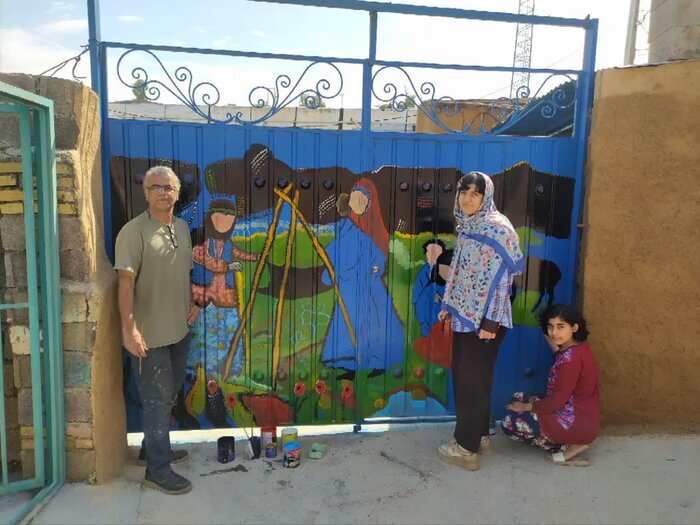
In recent years, kapou-inspired designs have also been integrated into the village’s architecture and public spaces, including decorative doors, walls, and pathways. Residents say the handicraft sector has played an important role in creating employment opportunities, particularly for women.
Environmental conservation has also become closely linked to tourism development in the area.
Pamenar’s location near the Dez Lake ecosystem and the forests of the Zagros mountain range has made it an important habitat for wildlife species. One of the most significant attractions for birdwatchers is the rare fish owl, which nests among the cliffs overlooking the lake.
Historically, owls in Iranian folklore have carried conflicting symbolic meanings, ranging from bad omens to symbols of wisdom. Local residents once regarded the species with fear, but attitudes gradually shifted after several environmentally conscious young villagers, working alongside Iran’s Department of Environment and scientific communities, introduced the bird to wildlife enthusiasts and researchers.
The fish owl eventually became a protected species in the region, and conservation efforts surrounding the bird helped encourage broader environmental awareness. Residents and local guides say populations of other wildlife species, including wild goats that were previously difficult to spot because of excessive hunting, have also become more visible in recent years.
Wildlife imagery now appears throughout the village in handicrafts, sculptures, murals, and public decorations, reinforcing connections between tourism, art, and environmental protection.
In fact, community-led conservation efforts extend beyond wildlife protection in Pamenar. Villagers have participated in reforestation initiatives involving native tree species such as wild almond and berry trees. Residents often point out clusters of young trees planted collectively around the surrounding hillsides.
Traditional harvesting practices also remain part of village life. Women commonly gather native fruits from nearby mountains while observing local environmental customs designed to avoid damaging plant populations. During springtime, many households prepare traditional products such as berry flour and local date-based foods using indigenous ingredients collected from the area.
As tourism activity expanded through handicrafts and ecotourism, water-based recreation emerged as another important source of sustainable income. Many residents own boats used to transport visitors across the lake for sightseeing and wildlife observation tours.
Boat operators have increasingly taken on the role of local tour guides, introducing visitors to the ecological and cultural history of the region.
Today, tourism-related activities involve virtually all sectors of the village community. Eco-lodges, guesthouses, handicraft shops, and local guides form part of an expanding rural tourism network aimed at balancing economic development with the preservation of cultural and environmental heritage.
Residents say they continue to participate in training and capacity-building programs in an effort to improve service standards while maintaining the village’s traditional identity and ecological balance.
AM
Disclaimer : This story is auto aggregated by a computer programme and has not been created or edited by DOWNTHENEWS. Publisher: tehrantimes.com