TEHRAN- The Food and Agriculture Organization (FAO) warns that the fallout of war on Iran could push millions in the world into hunger within a year.
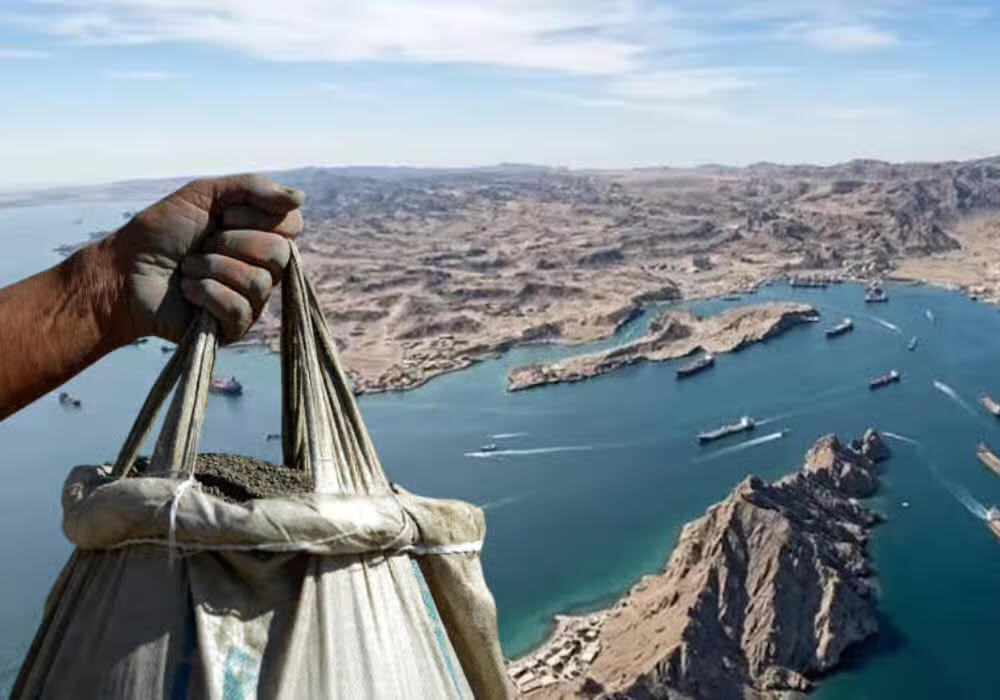
The closure of the Strait of Hormuz following the outbreak of the West Asia conflict on 28 February 2026 is rapidly turning a regional security crisis into a looming global food emergency. According to the Food and Agriculture Organization (FAO), under normal conditions 20‑30% of all internationally traded fertilizers pass through the strait. That flow has now been effectively halted.
In an address to the FAO Council on 28 April, Director‑General QU Dongyu called the situation “the beginning of a systemic agrifood shock.” He noted that delays of just two to three weeks in fertilizer supply force farmers to cut application rates, “directly reducing yields per hectare.” The FAO estimates that the disruption has already delayed 1.5 to 3 million tons of fertilizer monthly, affecting at least 40 million hectares of rice and threatening yield reductions of 10‑20%.
The damage is already visible in global markets. West Asian granular urea jumped nearly 20% within one week of the conflict. By mid‑April, urea prices had soared 52% in the United States and 60% in Brazil. The FAO Food Price Index averaged 130.7 points in April, up 1.6% from March, while the All Rice Price Index rose 1.9%. The Cereal Price Index increased 1.1% in March, driven partly by higher wheat prices.
In a podcast on 20 May 2026, FAO Chief Economist Máximo Torero warned that unless governments act quickly, the world faces “a severe global food price crisis within six to 12 months.” Higher energy costs will spread to seeds, yields and ultimately supermarket shelves, he added. With the upward trend already clear, the window for preventive action is closing fast.
Disclaimer : This story is auto aggregated by a computer programme and has not been created or edited by DOWNTHENEWS. Publisher: tehrantimes.com