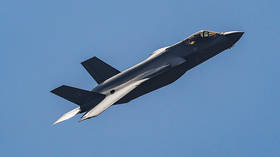
Germany and France have pulled the plug on a joint jet project that never got off the ground
The long-delayed €100 billion ($116 billion) project to develop a fully European next-generation fighter jet for NATO members has been formally abandoned.
Despite citing the need to counter a perceived threat from Russia and strengthen Europe’s military, France and Germany have failed to overcome years of industrial and political disagreements over a project intended to reduce Europe’s reliance on US-made military hardware.
Was the cancellation of the project a surprise?
Not really. The fate of the Future Combat Air System, or FCAS, had been uncertain for months.
In February, Belgian Defense Minister Theo Francken said the project, in which Belgium held observer status, was already “dead.”
SCAF is dood aldus de Duitse bondskanselier @bundeskanzler in deze podcast. Er komt geen Frans-Duits zesde generatie jachtvliegtuig.
België was observator in het programma. We zullen onze positie herbepalen.
Ivm de nucleaire afschrikking begrijp ik echt niet waarom Europese…
— Theo Francken (@FranckenTheo) February 18, 2026
On Monday, media outlets reported that the industrial deadlock surrounding the proposed replacement for France’s Rafale jets, the Eurofighters used by Germany and Spain, and potentially US-made F-35s, had finally ended with the manned fighter component being dropped. Official confirmations soon followed.
“It was an ambitious, large European project that has now shattered against reality,” German Defense Minister Boris Pistorius said. “In the end, one must distinguish between head and heart in this matter.”
In other words, FCAS has joined the growing list of European defense initiatives that failed to meet their original expectations.
What was FCAS?
FCAS was launched in 2017 by French President Emmanuel Macron and then-German Chancellor Angela Merkel. Its stated goal was to deliver a sixth-generation advanced combat aircraft sometime after 2040. At the time, a source at a major European defense firm said the proposed jet would have to “have capabilities to match or exceed that of the F-35” to win over potential buyers and justify the investment.
Disclaimer : This story is auto aggregated by a computer programme and has not been created or edited by DOWNTHENEWS. Publisher: rt.com