
Peace talks in limbo after Iran and Israel strikes
Fox News correspondents Max Gorden and Lucas Tomlinson report on President Donald Trump’s call for an immediate Iran-Israel ceasefire. Retired U.S. Marine Col. Mike Jernigan discusses the strikes and ongoing negotiations on ‘America Reports.’
NEWYou can now listen to Fox News articles!
President Donald Trump is continuing to project confidence that a final nuclear agreement with Iran remains within reach despite months of slow-moving diplomacy, unresolved disputes over uranium enrichment and a ceasefire that appeared at risk of unraveling over the weekend.
“We’re in the final throes of what will be a very, very good deal,” Trump told reporters after attending the third game of the NBA Finals at Madison Square Garden, adding that it would come in “two or three days.”
Trump has suggested dozens of times over the past two months that a deal is just around the corner, yet little public evidence has emerged that the sides have bridged the core disputes that have complicated negotiations. Since the start of Operation Epic Fury, the president has said a deal was close at least 38 times, according to a CNN count.
Despite months of predictions that a deal was imminent, negotiations remain publicly deadlocked over uranium enrichment, sanctions relief and Iran’s growing stockpile of enriched uranium. Yet administration officials and outside analysts say a combination of economic pressure on Iran, a fragile but surviving ceasefire and the high costs of renewed conflict may explain why Trump continues to believe an agreement is achievable.
TRUMP, NETANYAHU TO MEET AT WHITE HOUSE IN HIGH-STAKES TALKS ON IRAN, GAZA PLAN
In May alone, Trump said a deal as “largely negotiated,” later suggested he was making a “final determination” and now says an agreement could arrive within days.
Former National Security Council official Michael Singh said Trump’s confidence likely reflects both the president’s negotiating style and the reality that neither Washington nor Iran appears eager to abandon diplomacy despite recent military exchanges.
“Projecting optimism is part of President Trump’s MO,” Singh told Fox News Digital, adding that despite recent military exchanges, “we don’t see either side really pursuing any alternative with any kind of determination.
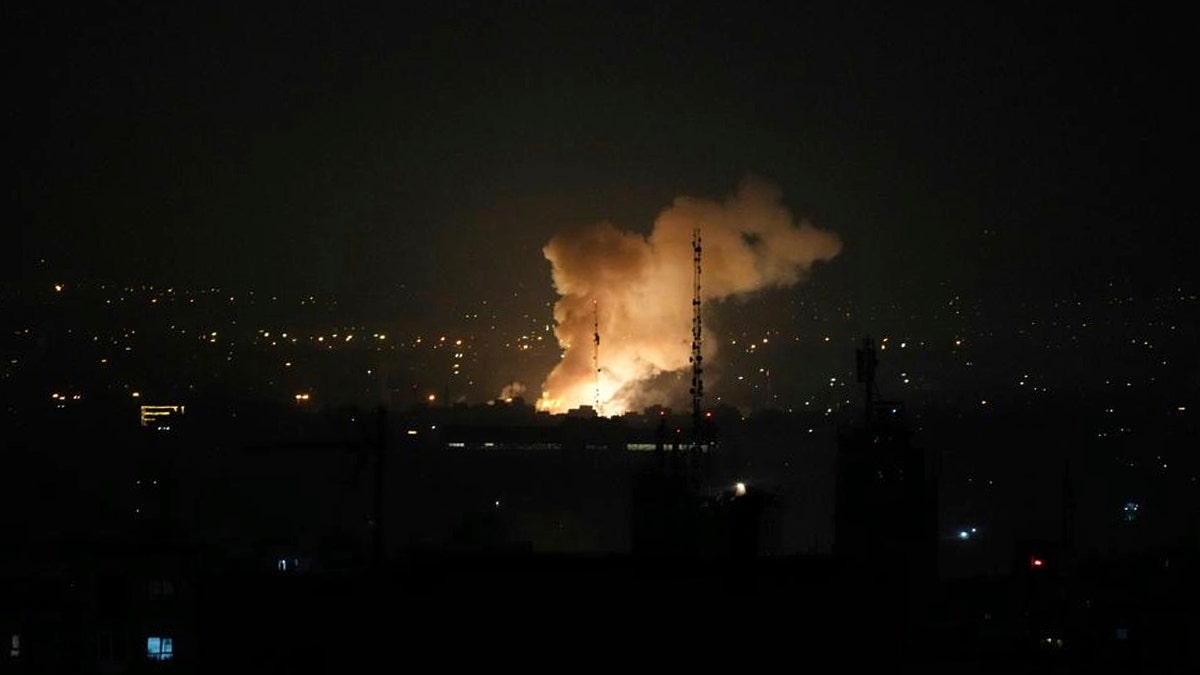
Smoke rises after an explosion in Tehran, Iran, Friday, June 13, 2025. Israel attacked Iran’s capital early Friday, with explosions booming across Tehran. (Getty)
In announcing the ceasefire April 7, Trump said talks were “very far along” but it would take two weeks for “the Agreement to be finalized and consummated.”
“Both sides, Israel and Iran, are looking to do an immediate CEASEFIRE! Final negotiations on ‘Peace’ are proceeding, subject to ignorance or stupidity getting in its way. The Blockade will remain in place, and in full force and effect, until a ‘Final Deal’ is reached. Things should move quickly,” Trump posted on Truth Social Monday.
The optimism comes as negotiators remain divided over core elements of Iran’s nuclear program and after fresh military exchanges briefly threatened to derail the fragile truce between Israel and Iran.
“Iran is desperate to make a deal because of the historic successes of Operation Epic Fury, Operation Economic Fury, and the blockade. Talks on a deal that will prevent Iran from obtaining a nuclear weapon are continuing at a rapid pace and are going very well,” a White House official told Fox News Digital.
“As the President stated, he will only make a good deal for the American people. He is not going to be rushed into making a bad deal. Due to the successes of Operation Epic Fury, Economic Fury, and the blockade, President Trump holds the cards and has all the time he needs to make the best deal for the United States and the world.”
Trump’s confidence comes as Israel and Iran traded fire for the first time since a ceasefire took hold and after the president told the Financial Times Israeli Prime Minister Benjamin Netanyahu would have “no choice” but to accept a U.S.-brokered agreement with Iran.
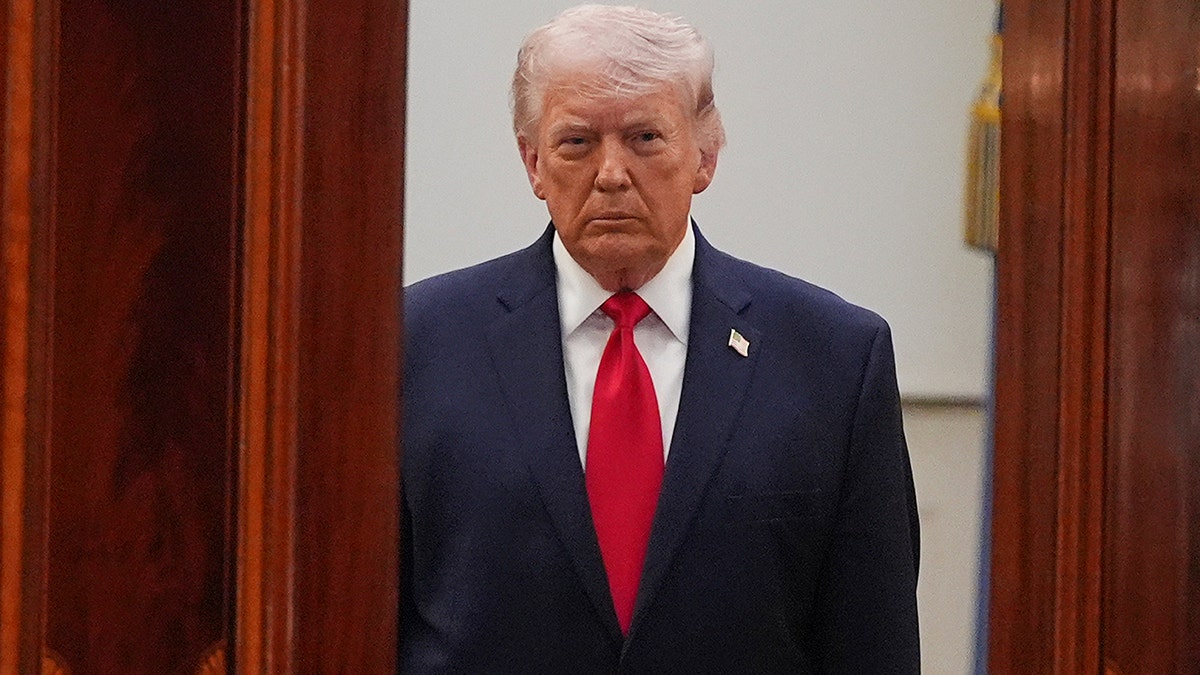
President Donald Trump is continuing to project confidence that a final nuclear agreement with Iran remains within reach despite months of slow-moving diplomacy, unresolved disputes over uranium enrichment and a ceasefire that appeared at risk of unraveling over the weekend. (Alex Brandon/AP Photo)
The ceasefire itself appeared shaky over the weekend following fresh exchanges between Israel and Iran, prompting Trump to publicly urge both sides to stand down and warning that further escalation could jeopardize ongoing negotiations.
By Monday, however, both sides signaled a desire to avoid a broader confrontation. Netanyahu said Israel would “hold fire” following discussions with Trump, while Iran indicated its latest round of attacks had concluded absent further provocation.
Singh said both sides appear to be trying to pressure one another into an agreement rather than preparing for a collapse in talks.
WHY TRUMP, IRAN SEEM LIGHT-YEARS APART ON ANY POSSIBLE DEAL TO END THE WAR
“It really does seem as though it’s sort of down to the details,” Singh said. “But of course the details can be quite hard.”
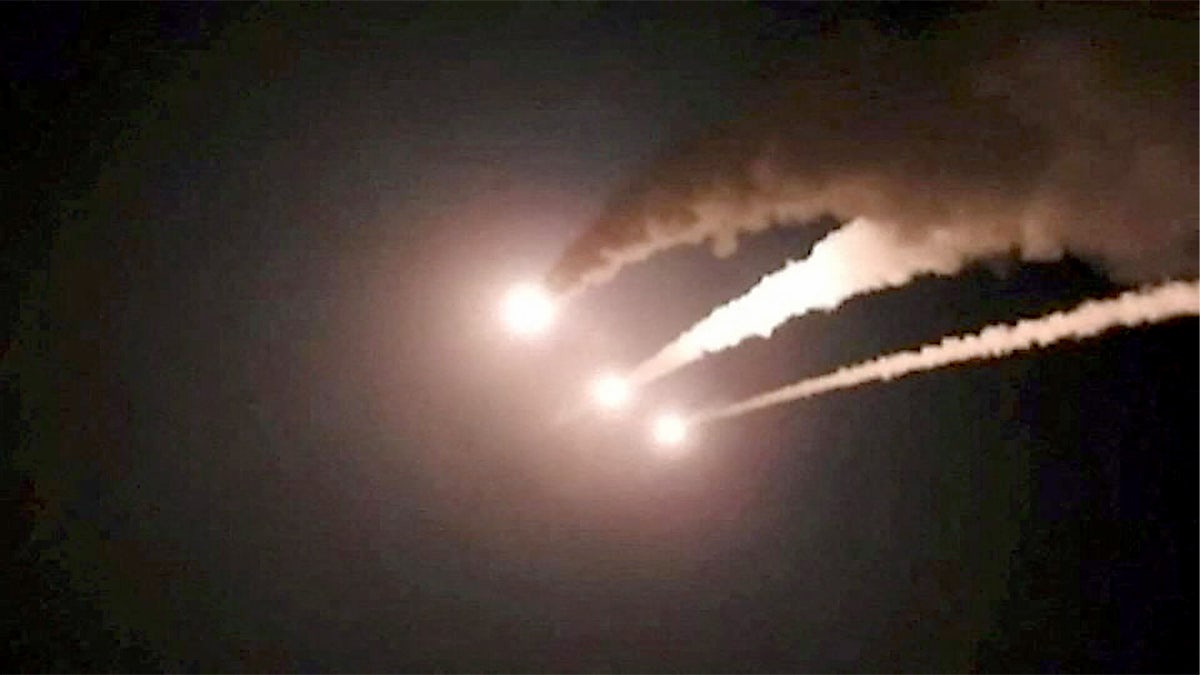
Iran launches missiles towards Israel in an unknown location, as shown in a video released on June 7, 2026. (Pool/WANA/Reuters)
Negotiators continue to face fundamental disagreements over Iran’s nuclear program despite months of talks. But analysts who see a path to a deal often point to the growing pressure facing Iran.
Miad Maleki, a former Treasury Department sanctions official and senior fellow at the Foundation for Defense of Democracies, argued that Iran is facing mounting economic and diplomatic pressure that could eventually force the regime to reconsider positions it has so far refused to abandon.
“Every day that the blockade remains in place, Iran is getting closer to a complete economic collapse,” Maleki told Fox News Digital, pointing to inflation, fuel shortages and growing economic strain inside the country.
Maleki argued that Iran’s position has deteriorated during the ceasefire, citing continued economic pressure, additional sanctions and the loss of senior regime figures during the conflict.
“The regime is under severe pressure economically and diplomatically,” he said.
That pressure may help explain why administration officials continue to view diplomacy as a viable path despite the slow pace of progress.
The Trump administration has maintained that Iran cannot be permitted to continue enriching uranium, arguing that even civilian enrichment capabilities could provide Iran with a pathway to a nuclear weapon. Iranian officials, meanwhile, insist they retain the right to enrich uranium for peaceful energy purposes and have resisted proposals requiring a permanent halt to enrichment activities on Iranian soil.
Negotiators also have sparred over the fate of Iran’s uranium stockpile.
Before inspectors lost visibility into key facilities, the International Atomic Energy Agency estimated Iran possessed roughly 440 kilograms of uranium enriched to 60% purity — just below weapons-grade levels and enough, if further enriched, for multiple nuclear weapons.
Those unresolved disputes have fueled skepticism about whether a breakthrough is truly imminent. But Iran is not the only actor facing pressure to avoid renewed conflict.
The conflict already has pushed energy prices higher and disrupted global shipping routes, with analysts warning that the economic fallout could persist for months even if maritime traffic resumes immediately.
In a recent Fox News Digital interview, Kpler oil analyst Matt Smith said it could take until the fourth quarter of the year for global energy flows to normalize because of logistical bottlenecks involving trapped tankers, swollen inventories and damaged infrastructure.
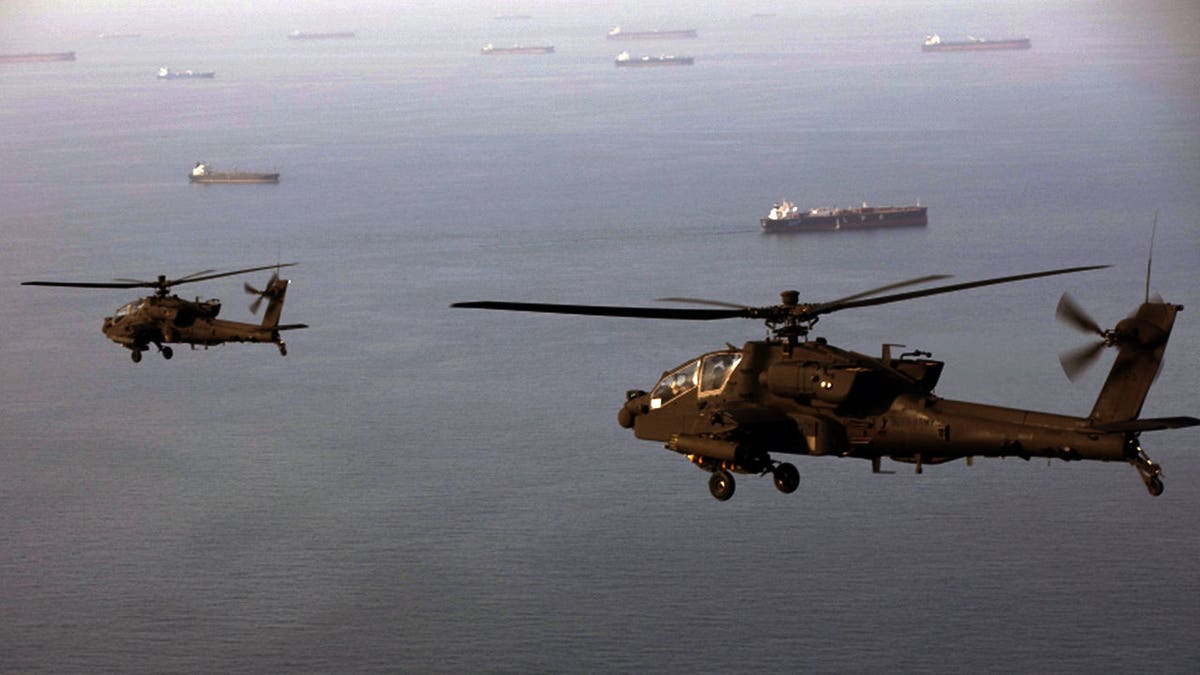
The U.S. military has been enforcing a naval blockade in the Strait of Hormuz, even during the ceasefire. (U.S. Central Command)
Moody’s Analytics has estimated the conflict has cost American households roughly $100 billion over the past three months through higher fuel, transportation and related costs.
Trump’s confidence has also coincided with increasingly public disagreements with Netanyahu about how to handle Iran.
The president recently said Netanyahu would have “no choice” but to accept a deal with Tehran, comments that fueled speculation about growing differences between Washington and Jerusalem.
Ehud Eilam, a former researcher for Israel’s Ministry of Defense, said Israel and the United States share the goal of preventing Iran from obtaining a nuclear weapon but often approach the challenge from different strategic perspectives.
“Iran poses a much bigger threat to Israel compared with the danger Iran presents to the United States,” Eilam told Fox News Digital.
CLICK HERE TO DOWNLOAD THE FOX NEWS APP
Eilam also argued that Washington retains significant leverage over Israeli decision-making through military aid and weapons transfers.
“The delivery of U.S. weapons and ammunition to Israel, now and later, gives the Trump administration major leverage to convince Israel to accept a deal with Iran,” he said.
Disclaimer : This story is auto aggregated by a computer programme and has not been created or edited by DOWNTHENEWS. Publisher: moxie.foxnews.com



