
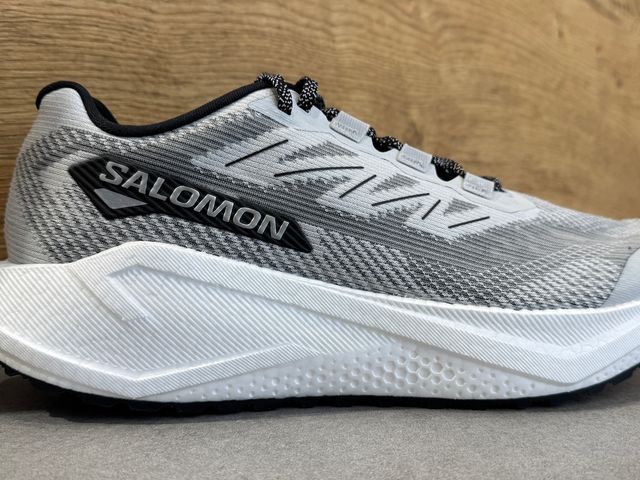
Once upon a time, there were just running shoes, give or take a racing flat or a track spike. Runners laced up one of the few models available and made it work, whatever the terrain. However, in 2025, it’s all very different.
We now have running shoes tailored to every type of run: daily trainers, carbon racers, easy-day recovery shoes, speed session super trainers, tempo shoes. Trail running isn’t immune to the endless subcategories, and the newest niche is gravel shoes—a subset of trail running shoes designed specifically for mixed-terrain runs across compacted gravel paths, forest roads, hard-pack trails, and regular old roads.
But are the brands just repackaging trail running shoes with smaller lugs? Or do gravel shoes genuinely offer something new and different? Here’s everything you need to know about trail’s latest footwear trend. (Check out our guides to hiking boots or if you should wear hiking boots or trail runners for more.)
What Are Gravel Shoes?
If you’re recently been scouting for the best running shoes for trail, chances are you’ll have stumbled across gravel shoes. You’d be forgiven for wondering what they are. Gravel running shoes are basically hybrid running shoes built to handle multiterrain runs. They’re designed to let you run off-road—just not too far off the beaten track and certainly not onto the trickiest mountain slopes.
The big selling point: They’re versatile enough to cruise compacted gravel (of course), forest tracks, hard-packed park and river paths, light uneven trails, and even the road commute to get there. “Gravel is a fairly new category,” says Taylor Bodin, chief trail shoe tester for Believe in the Run. “It is meant to be versatile in the sense that it can traverse lighter terrain more efficiently. This could mean anything from a door-to-trail shoe to a light trail shoe.”
Gravel shoes blend the technologies and design of road and trail, mixing some of the cushion, impact protection, and lighter weight energy of road shoes, with enough grip to prevent slipping. Not to mention a nod to the fit security, stability, and durability-boosting reinforced uppers of regular trail shoes.
They often feature a mild rocker—a curved midsole that helps with smoother transitions—and the foam cushioning is somewhere between max-cushioned road and technical trail shoes. Grip is another differentiator from road and regular trail shoes, with mid-depth outsole lugs (around 2 to 4 millimeters, compared to greater than 4 mm on technical trail shoes) and less aggressive grip patterns. A gravel shoe’s studded setups offer enough traction for security on uneven ground but avoid being so sticky that they hold you back when you hit the road.
“In general, we are noticing many of these shoes have more of a road running influence than they do trail,” says Bodin. “So, there will be a mix of foams, midsole geometries, less attention to fit, and a more subtle outsole pattern compared to trail shoes.”
What Are the Benefits of Gravel Shoes?
In a word: versatility. You can lace up a gravel shoe at home with confidence that they’ll handle whatever lies ahead, provided you’re not hitting a really technical trail or ankle-deep mud.
“Many of the shoes in this category can run well on roads, gravel paths, and light trails,” says Bodin. “That’s not something that very many strictly road shoes or dedicated trail shoes can do.”
The more rockered midsoles aim to smooth your heel-to-toe transitions, cutting the calf muscle fatigue over uneven ground and on longer runs. They’re also often lighter than technical trail shoes, thanks to the smaller lugs, less pronounced rock plates, and lower levels of upper reinforcement. That serves up more agility than heftier trail shoes, so you can move faster and lighter over runnable ground.
Do Gravel Shoes Feel Different From “Regular” Trail Shoes?
“Yes and no,” says Bodin. A lot depends on the brand. Some companies, like Craft, have many gravel-specific options. Others, like Salomon and Hoka, use their redesigned road running shoes for their gravel category.
Gravel shoes also have limits, warns Bodin. “In my experience, most gravel shoes will be limited when they reach a moderately technical trail-running scenario. Again, because the bulk of the gravel shoe experience is focused on the overall ride on smoother terrain, performance declines when there are more turns or more challenging terrain with rocks and roots.”
Do You Really Need a Gravel Shoe?

Like everything in running shoe world, that depends. There are trail shoes out there with the chops to conquer everything from technical to more runnable terrain, like the Hoka Speedgoat 6 ($125). Some of the pricier trail shoes like the North Face Vectiv Pro 3 ($250) pair modified versions of their springy road-shoe foams with carbon plates to deliver bouncier rides that don’t feel out of place on the road. I’ve tested loads of these shoes, and some top-tier trail shoes run better on the road than cheaper road shoes.
However, if you regularly tackle firmer, less technical mixed terrain on your runs, generally in drier conditions—and rarely venture onto more technical trails—there’s a good case for investing in a gravel shoe. It’ll carry you happily from road to trail and back again, and even cover your road runs on the way to the trail.
Likewise, if you’re a newcomer to trail running, a gravel shoe could be a good halfway house as you transition from the asphalt to the single track, thanks to a ride which retains some road-shoe familiarity. They’re also an excellent suitcase shoe—if you’re traveling and you can only fit one shoe in your luggage, the versatility of a gravel shoe makes it a great choice.
Disclaimer : This story is auto aggregated by a computer programme and has not been created or edited by DOWNTHENEWS. Publisher: wired.com





