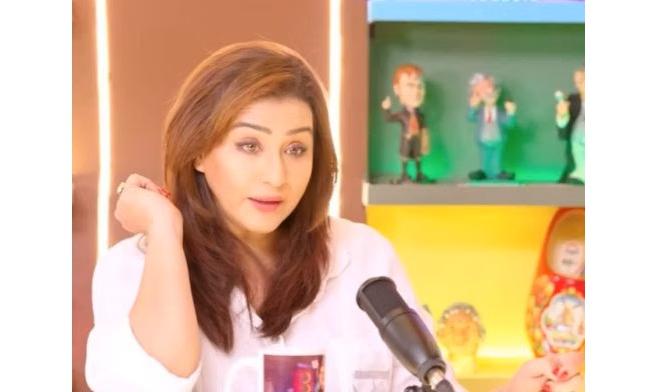
In 30 seconds, Shilpa Shinde’s false allegation of sexual harassment against the producers of Bhabiji Ghar Par Hain went viral. The accused, Sanjay Kohli, has been living with it for nine years. Sanjay wasn’t arrested. Shilpa wasn’t either. But the claim was twisted, amplified and lodged in public memory. The accused lost his reputation and the right to be presumed innocent.
The issue as a whole has given rise to the uncomfortable question: Does the law have a panic button for one gender and a pause button for the other?
As Bobby Deol’s Bandar puts that nightmare on screen, another question that emerges is: Who repairs the man left with no reputation even after the accusation turns out to be false?
Men’s rights NGOs decry false claims
Men’s rights NGOs are done waiting. NCMIndia Council for Men Affairs has called for Shilpa’s arrest. Referring to NCRB data showing a conviction rate of around 24% in rape cases, Priyash Bhargava of the Men Welfare Trust says wrongful prosecution can have life-altering consequences. He said the episode proved how fast the law can stamp ‘predator’ on a man’s forehead, while the price for faking it is pocket change “in a system that rolls out legal red carpets for women and only gives a slap on the wrist for false claims.” What galls him most? Self-styled feminists cheering Shilpa on even after she admitted the lie. If that’s equality, he asks, where’s the shield for men when male rape, harassment at work, or marital abuse barely exist on paper?
What women say
On the other hand, Manasi Chaudhari, Entertainment & Corporate Lawyer, says, “False accusations are under 1% of sexual harassment cases. They get disproportionate attention because people want to believe women lie. But legal remedies exist: the accused can file defamation or pursue criminal charges for false allegations. Films like Bandar are exaggerations made for entertainment. We can’t take the plot as real-life. Justice often favours those who can pay more — better lawyers equal better chances. Misusing the law with false accusations hurts everyone. Cases like Shilpa Shinde’s get so much media attention that they overshadow real victims. Thousands of women in India face sexual harassment every minute. Every false case makes it harder for genuine survivors to be believed.”
“I had no other option”— that was the actress’ defence for the 2016 case. On her admission to having lied, Sunitha Krishnan, Activist , says, “Speaking the truth on a public platform comes with a price. Shilpa’s excuse of recovering dues doesn’t change the fact: a false case is a false case. But it’s commendable she spoke the truth publicly, knowing the cost. False cases build octopus-like webs of lies. At the same time, misuse of law by some women doesn’t define the whole women’s rights movement. This double standard is patriarchal. Men routinely misuse legal provisions, but no one calls all their cases fraudulent. With women, one fake case becomes an excuse to attack the whole movement. The law has penalties for false complaints. Use them.” Actress Upasana Singh added online: “Look at what might have pushed the actress to make those allegations to begin with.”
Punishment vs. Restoration
Backlash against Shilpa was strong. Her response? “Jo ukhaadna hai ukhaad lo” – Do whatever you can. Does punishment of the false accuser make the victim’s role easier? He is left holding the same wreckage victims of real charges face. As AICWA put it: “A false sexual harassment allegation can cause irreparable damage to a person’s reputation, family, children, career and mental well-being.”
Dr. Satyamani Borra, Adult Psychologist, KIMS Cuddles, lays out the fallout: “Fear of career loss is a common first reaction. This can lead to anxiety and hypervigilance — constant phone-checking, scanning for the next blow. Even after being proven innocent, many struggle to trust. Studies show elevated risk of suicidal thoughts too. People often avoid the accused before facts are clear — a ‘social death’ where the person is physically present but socially erased. Impact includes stress disorders, broken relationships. Men tend to get less empathy when accused, especially in sexual or moral cases. Their distress is more likely to be minimised or doubted. Society distances itself faster.”
Concerns about the alleged misuse of the POSH (Prevention of Sexual Harassment) Act chiefly aimed at protecting women in workplaces, have also led some employers to view compliance as burdensome, potentially affecting hiring decisions.
Experts stress that workplaces must remain spaces where both men and women feel protected, with trust, fairness and mutual respect forming the foundation of a healthy work environment.
So, we come back to the question: If an allegation of sexual harassment against a man is weaponised and then disproven, who gives the man his life back? The law can punish perjury. Proof of defamation can attract compensation. But neither restores presumption of innocence. The cost of a false case isn’t just legal. It’s social, psychological, permanent. And as of now, only one side pays in full.
Disclaimer : This story is auto aggregated by a computer programme and has not been created or edited by DOWNTHENEWS. Publisher: deccanchronicle.com