
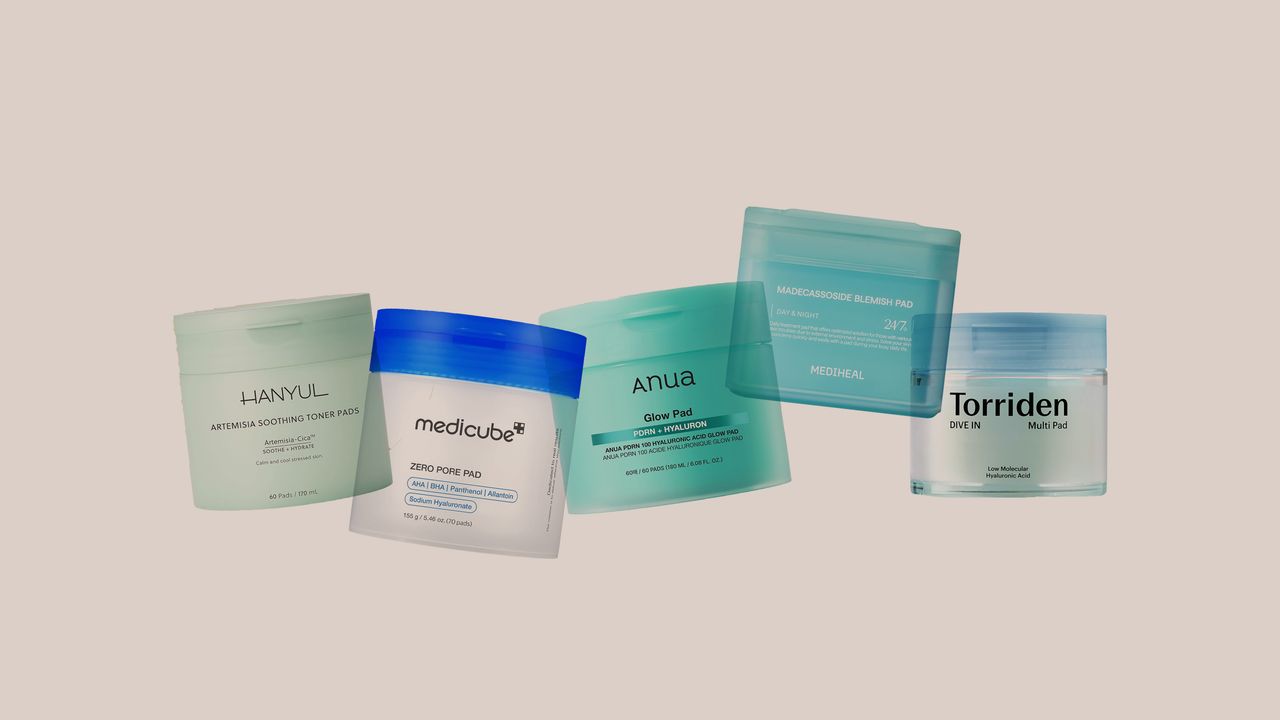
Why it’s worth it: Combination skin typically means oilier, congestion-prone areas (usually the T-zone) paired with drier or tighter patches elsewhere—and those needs can shift by the day. But having combo skin doesn’t mean you need different products for different parts of your face. Torriden’s Dive In 5D Hyaluronic Acid Toner Pads meet your skin where it is. The “5D hyaluronic acid” refers to a blend of five forms of hyaluronic acid with varying molecular sizes, allowing hydration to reach multiple layers of the skin rather than sitting on the surface. Dry areas feel cushioned without overwhelming oilier zones. For balance, gluconolactone (a gentle PHA) and willow bark extract lightly exfoliate to keep pores clear, while witch hazel and tea tree help manage shine. Barrier-supporting ceramides, beta-glucan, and humectants round things out, leaving skin hydrated, clear, and balanced all over.
Frequently Asked Questions
What makes Korean toner pads different from Western toner pads?
Korean skin-care routines in general tend to be much more treatment-focused than their Western counterparts. “Korean toner pads are more like essence-soaked pads, while Western toner pads are often astringent-based,” says Marie Jhin, MD, a board-certified dermatologist based in San Carlos, California. Instead of relying on strong acids or alcohol for oil control, Korean formulas prioritize hydration, soothing, and gentle brightening. “Think of Korean toner pads as a nourishing bridge between cleansing and treatment,” Dr. Jhin adds, “not just an exfoliating step.” That’s why they’re often designed to be left on as mini masks—supporting the skin barrier while delivering active ingredients, rather than stripping skin in the name of clarity.
What ingredients are common in Korean toner pads?
Korean toner pads are known for their skin-friendly, barrier-first ingredient lists. “You’ll often see calming and barrier-supporting ingredients like galactomyces, bifida ferment, and cica,” says Dr. Jhin, along with nourishing staples such as propolis, snail mucin, and botanicals like heartleaf, mugwort, and rice. To round things out, many formulas include multitaskers like niacinamide and hyaluronic acid for hydration and brightening, plus gentler exfoliants—think PHA or low-dose AHA/BHA blends, so skin gets the benefits of exfoliation without the irritation.
Do Korean toner pads replace multiple steps?
While Korean toner pads don’t completely replace targeted serums, ampoules, or moisturizers, they do help streamline your routine, especially if you’re juggling multiple skin concerns. “They combine toning, light exfoliation, and essence into one step,” says Dr. Jhin, which can reduce a longer, multi-step routine into just a few essentials. Think of them as a smart shortcut: they prep skin, deliver active ingredients, and create a smoother base so the rest of your skin care works better—leaving skin looking more balanced, refreshed, and dewy without skipping the steps that really matter.
Meet the experts
- Charlotte Cho, co-founder of Soko Glam based in New York City
- Marie Jhin, MD, a board-certified dermatologist of Premier Dermatology, adjunct clinical instructor at Stanford University, and author of Asian Beauty Secrets and K-Beauty Secrets based in San Carlos, California
- Jane Yoo, MD, a dual board-certified dermatologist and Mohs surgeon based in New York City
How we test and review products
Before reviewing any makeup, we ask questions about a number of factors: What ingredients are in it? Does the brand offer a wide shade range inclusive of consumers with all skin tones and undertones? Is it safe for readers who have sensitive skin or wear contact lenses? Is it on the affordable side or more of a splurge? Is its packaging consciously designed or needlessly wasteful?
For our review of the best korean toner pads, we enlisted the help of multiple editors, writers, contributors, cosmetic chemists, and professional makeup artists to review the products. This ensures our testing base spans different skin tones, genders, and dermatological conditions. We considered each product’s performance across four primary categories: ingredients, wear and longevity, packaging, and inclusivity. For more on what’s involved in our reporting, check out our complete reviews process and methodology page.
Our staff and testers
A beauty product is a personal purchase. You might be searching for a face cream to address persistent dryness or a new nail product to add to your Sunday self-care routine; you may simply be browsing around for the latest launches to hit the hair market. No matter what you seek or your individual needs and concerns, Allure wants to ensure that you love anything we recommend in our stories. We believe that having a diverse team of writers and editors—in addition to the wide range of outside testers and industry experts we regularly call upon—is essential to reaching that goal.
After all, can we really say a skin-care product is the “best” for people over 50 if the only testers we’ve solicited opinions from folks who have yet to hit 30? Can we honestly deem a high-end diffuser worthy of your hard-earned cash if it’s never been tested on curls? We’re proud that our staff spans a wide range of ages, skin tones, hair textures, genders, and backgrounds, which means that we are able to fairly assess any beauty product that comes into the beauty closet.
Disclaimer : This story is auto aggregated by a computer programme and has not been created or edited by DOWNTHENEWS. Publisher: www.allure.com



