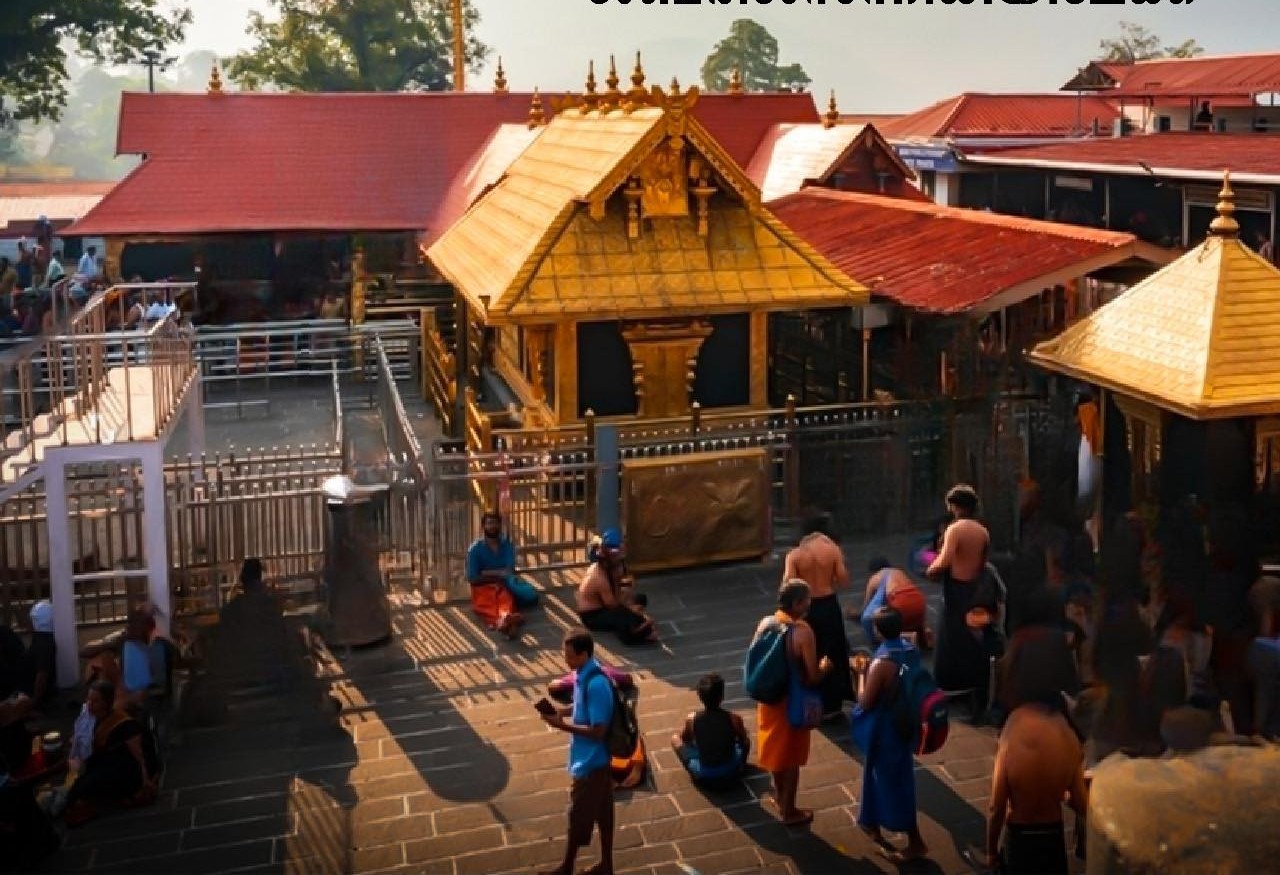
“In the absence of a proper, conclusive medical examination and official certification issued by a legally competent medical authority, the 2nd respondent (TDB) is not in a position to grant permission to the petitioner (Tamil Nadu native) to proceed for darshan,” the Board had told the court.
It had also said that allowing the petitioner entry to the temple without authoritative verification could lead to a breach of established sanctuary customs governing the shrine.
The state, in its affidavit, said that the government, the first respondent in the matter, at this juncture does not propose to take a different stand.
“The entire matter is pending disposal or judgment of the Supreme Court,” it said.
The affidavit was filed in response to a plea by the Tamil Nadu native — Sathyashri Sharmila Rehemathali, seeking permission for the transgender community to visit Sabarimala for pilgrimage after observing the required rituals.
The petitioner, who identifies as a transgender woman and is referred to as ‘she’ in the petition, claims to be a devout worshipper of Lord Ayyappa at Sabarimala and had previously visited the shrine and performed darshan on January 3 and April 15 this year, the government affidavit said.
However, the petitioner was intercepted near Pamba Ganapathi temple, while proceeding to Sabarimala on August 20, during routine police verification, it said.
The police informed the petitioner about the strict compliance requirements regarding entry to the shrine.
The petitioner, thereafter, submitted representations to the chief secretary, senior police officials and administrative officer of TDB, seeking permission for darshan on August 26, Thiruvonam day.
The TDB had told the court that the petitioner was advised by police during the verification to produce appropriate certification or documentation regarding medical status and gender reassignment issued by the competent authorities from Tamil Nadu, Rehemathali’s home state.
“This requirement was insisted to enable the authorities to verify the legal and physical status required for compliance with the age and gender-based sanctuary customs governing entry to the shrine,” the government said.
It also told the court that the legal issues concerning entry regulations, customary practices and essential religious rites at the shrine are pending before the Supreme Court.
“The TDB and the temple administration are bound to preserve the core ritualistic practices and long-standing traditions, pending authoritative judicial determination by the Supreme Court,” the government added.
It said that in light of these facts and circumstances, the petitioner is not entitled to any of the reliefs prayed for in the petition and the same is liable to be dismissed.