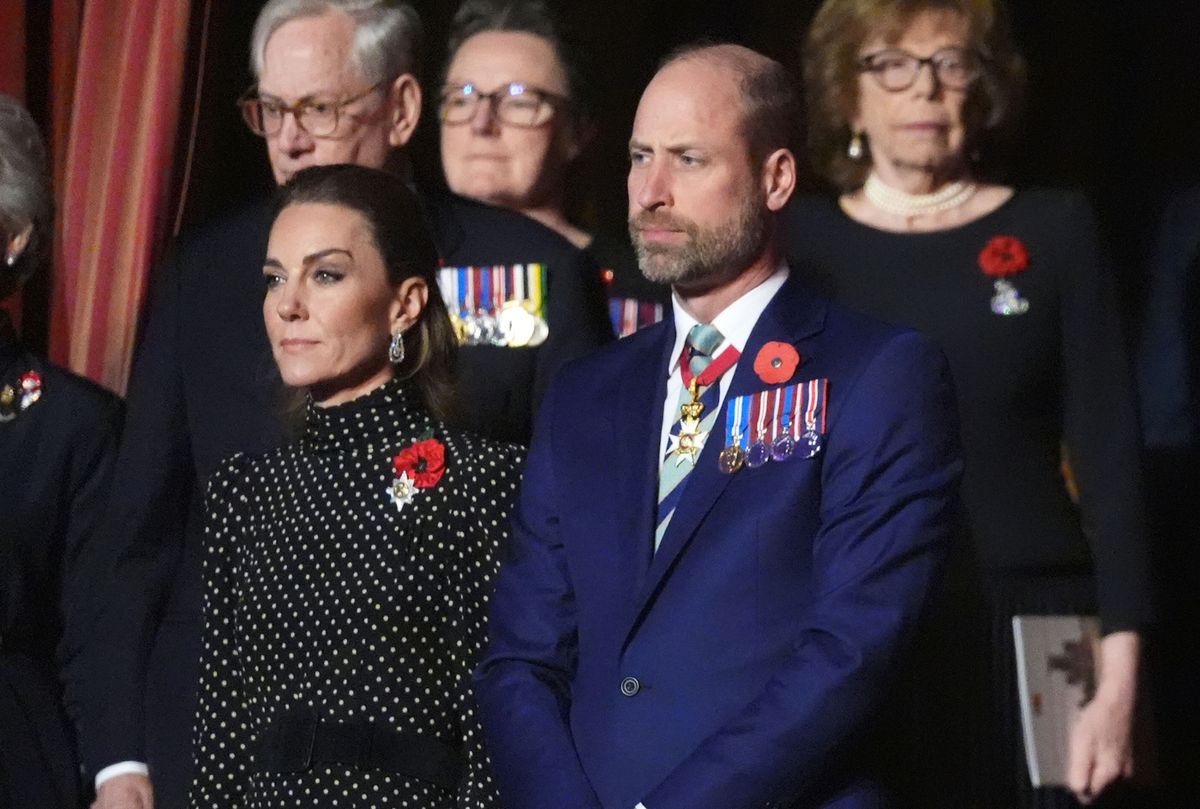
When Prince William inherited the Duchy of Cornwall in 2022, he spoke of transforming a 700-year-old estate into a force for social good.
Four years on, that transformation is under way, but it has been dogged by controversy at almost every turn, and too often it has looked as though the Prince was reacting to headlines rather than leading from the front. The first storm broke in 2024, when a joint investigation by the Mirror and Channel 4’s Dispatches found scores of Duchy rental homes blighted by damp and mould.
In the same year, the Sunday Times and Dispatches revealed the estate was earning millions from public bodies, including a £37million deal to lease Dartmoor Prison to the Ministry of Justice and hundreds of thousands of pounds from leases with state schools. For a prince who has made homelessness his signature cause, the optics were nothing short of dreadful.
William’s response came the following summer, when the Duchy announced it would waive rent for grassroots groups and cut charges for local charities by up to half.
This move was certainly welcomed, and while I have sympathy for William taking the time to “get under the hood” of the organisation, as his aides continually point to, there is an argument that it took a television expose to bring it about.
Granted, investigative journalists are worth their weight in gold in unearthing wrongdoing and scandal, but if your name is above the shop, surely you need to apply yourself to the minute detail needed when CEOs are brought in to change a business from the ground up.
This year has brought fresh trouble. In May, William unveiled plans to sell around a fifth of the estate over the next decade to fund more than £500million of investment in affordable housing, nature recovery and renewable energy.
A bold vision, but one that landed badly with tenant farmers on the 3,000-acre Bradninch estate in Devon, some of whose families have worked that land for generations. Possession notices gave them six months to buy or leave. After a furious backlash, the Duchy’s rural director met tenants last week, apologised for underestimating how long the process would take and agreed to independent valuations.
I understand William has been unhappy at how it was handled and this may well be the catalyst for further changes in how he, and the Duchy operates from now on.
Then there is tax. A dirty word historically for the royals, but again under pressure, they have been forced to change their ways. However, unlike his father, William has declined to reveal how much he pays on an income of around £23million a year, and this month an anti-corruption tsar urged him to make clear whether the Duchy is a private estate or a public asset. It is a question that will not and should not be dismissed.
None of this means William lacks good intentions. He clearly wants the Duchy to do more for the communities it touches. But good intentions and good management are not the same thing, and the pattern of acting only once the criticism mounts is one he needs to break.
The same question of public versus private hangs over his work abroad. Next week William flies to Mumbai for the Earthshot Prize, his environmental awards and arguably the project closest to his heart. I will be there and can tell you first hand from reporting from London, to Rio to Boston, that it actually does matter and yields results.
Yet this is not a royal tour in the traditional sense and sources in government tell me there is growing frustration of a lack of engagement with the Foreign Office build a programme around Britain’s relationship with our partners abroad, which the heir to the throne would usually be considered a great asset.
If you take the King’s recent nine-day trip to the Caribbean as an example, which was planned with the country’s diplomatic interests at its core. For all its difficulties, it showed what a royal visit can do for Britain abroad.
So here is the question. Is it acceptable for the future King and Queen to build their diaries around personal projects, from Earthshot, to early years, and a bit of football chat thrown in (see William’s guest edit of Country Live this week) however worthy, while the traditional work of representing the nation overseas is left to a monarch approaching his eighties?
William and Catherine are public servants, funded and housed by virtue of their position. The public and the government have a right to expect that position is used for the country’s benefit as well as their own causes.
New episodes of the Mirror’s award-winning royal podcast Pod Save The King are available each week on YouTube. Subscribe to the Pod Save The King YouTube channel to make sure you don’t miss an episode www.youtube.com/@podsavethekingmirror . And keep in touch on Instagram @podsave .
Disclaimer : This story is auto aggregated by a computer programme and has not been created or edited by DOWNTHENEWS. Publisher: mirror.co.uk