
Frequently Asked Questions
What does vitamin C do for the skin?
“Vitamin C is a potent antioxidant that interferes with pigment production and keeps inflammation at bay,” explains Joshua Zeichner, MD, a board-certified dermatologist based in New York City. Not only that, but vitamin C also supports the production of collagen, an important protein in your body that supports your skin’s elasticity and firmness.
Vitamin C’s antioxidant properties also neutralize free radicals, molecules created by external factors like air pollution and sunlight, says Dr. Zeichner. Since free radicals speed up signs of aging, vitamin C helps address the fine lines they cause, too. Think of it as the ideal daytime counterpart to the retinol or exfoliating acids you might use at night to smooth skin, speed up cellular turnover, and treat acne scars left over from breakouts.
Vitamin C can also inhibit your skin’s melanin production, which leads to discoloration like dark spots and hyperpigmentation, New York City-based board-certified dermatologist Patricia Wexler, MD, previously told Allure. Over time, she says, vitamin C can help prevent dark spots from forming in the first place so it looks glowy—in addition to evening out skin tone.
What to look for in vitamin C serums
Not all vitamin C serums are formulated equally—in fact, not even all forms of vitamin C are equal in effectiveness. Here are a few factors to consider when shopping:
Types of vitamin C
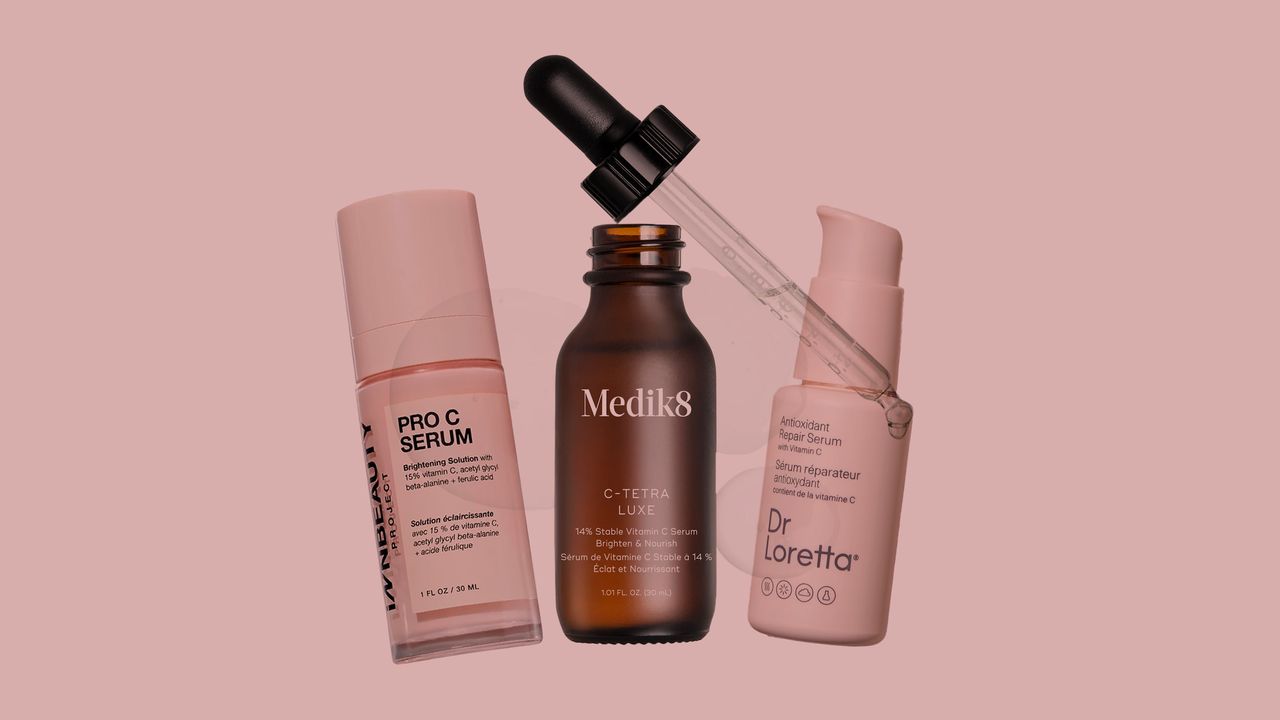
Vitamin C comes in a nearly endless variety of forms, but ascorbic acid, also known as L-ascorbic acid, is the gold standard for its stability and efficacy. “Pure ascorbic acid has consistently been proven to be the most effective at penetrating the skin barrier,” says Dr. Wexler. Other dermatologist-approved forms of vitamin C you may come across in skin-care products include tetrahexyldecyl ascorbate, magnesium ascorbyl phosphate, and methylsilanol ascorbate.
Concentrations
Dr. Liu previously told Allure the average concentration of vitamin C in a skin-care formula is around 10% to 15%. Keep in mind that a higher concentration of vitamin C may lead to sensitivity, so sensitive skin types may want to stick to a lower percentage.
Accompanying ingredients
- Antioxidants: You’ve probably noticed that vitamin C tends to be tag-teamed with two other antioxidants, vitamin E and ferulic acid, and there’s a reason for that. “Vitamin C effectiveness increases when combined with other antioxidants, such as vitamin E,” says Dr. Wexler. “Together, they can provide double protection against free-radical damage.”
- Humectants: Hydrating ingredients known as humectants, such as hyaluronic acid, glycerin, and squalane, partner well with vitamin C to boost hydration levels and ease the sting of the active ingredient, especially if you’re using a potent, high-percentage (above 15%) formula.
- Brightening ingredients: Niacinamide and tranexamic acid complement vitamin C in interfering with the pigment production process.
- Peptides: If you’re seeking firmer skin, peptides (which act as messengers between skin cells) can also help supplement vitamin C’s ability to dial up collagen production.
When to use vitamin C serum
Like most actives, dermatologists recommend slowly incorporating vitamin C into your skin-care routine to avoid irritation. Start with a few drops every two days, and, if your skin seems to tolerate it, you can work your way up to every day. We suggest applying vitamin C serums before moisturizer and sunscreen in the morning to get the most from the antioxidant’s free-radical-fighting power. If your skin can tolerate it, and if you want an overnight collagen boost, you can also apply it in the evening.
Meet the experts
- Tiffany Clay, MD, a board-certified dermatologist based in Atlanta
- Chelsea Hoffman, MD, a board-certified dermatologist at Hudson Dermatology & Laser Surgery based in New York City
- Shereene Idriss, MD, a board-certified dermatologist based in New York City
- Jenny Liu, MD, a board-certified dermatologist in Minneapolis and assistant professor at the University of Minnesota
- Sandra Oska, MD, a board-certified dermatologist at Dermatology Institute & Skin Care Center, based in Los Angeles and Santa Monica
- Caroline Robinson, MD, a board-certified dermatologist based in Chicago
- Jessica Weiser, MD, a board-certified dermatologist and founder of Weiser Skin MD based in New York City and Aspen
- Patricia Wexler, MD, a board-certified dermatologist based in New York City
- Joshua Zeichner, MD, a board-certified dermatologist and director of cosmetic and clinical research at Mount Sinai’s Department of Dermatology in New York City
How we test and review products
When Allure tests a product, our editors look at it from every angle to best serve you. We review ingredients, scrutinize brand claims, and, when necessary, examine peer-reviewed scientific and medical studies. In addition to testing each and every product that’s included in every review, we rely on experts who shape their fields, including dermatology, cosmetic chemistry, and medicine, to help us vet the ingredients and formulas.
For our list of vitamin C serums, we considered each product’s performance across five primary categories: product ingredients and efficacy, packaging, fragrance, texture, and product wear. Every product was determined to have excelled in each category by our editorial team, which is composed of in-house writers and editors as well as contributors — along with special consideration from board-certified dermatologists. To learn more information on our reporting and testing processes, read our complete reviews process and methodology page.
Our staff and testers
A beauty product is a personal purchase. You might be searching for a face cream to address persistent dryness or a new nail product to add to your Sunday self-care routine; you may simply be browsing around for the latest launches to hit the hair market. No matter what you seek or your individual needs and concerns, Allure wants to ensure that you love anything we recommend in our stories. We believe that having a diverse team of writers and editors — in addition to the wide range of outside testers and industry experts we regularly call upon — is essential to reaching that goal.
After all, can we really say a skin-care product is the “best” for people over 50 if the only testers we’ve solicited opinions from folks who have yet to hit 30? Can we honestly deem a high-end diffuser worthy of your hard-earned cash if it’s never been tested on curls? We’re proud that our staff spans a wide range of ages, skin tones, hair textures, genders, and backgrounds, which means that we can fairly assess any beauty product that comes into the beauty closet.
Disclaimer : This story is auto aggregated by a computer programme and has not been created or edited by DOWNTHENEWS. Publisher: www.allure.com




