Detroit Lions general manager Brad Holmes may have gotten a better deal when he acquired safety Andre Cisco from the New York Jets, but his decision to renegotiate the trade compensation is now part of a much bigger NFL controversy. In fact, the league could soon consider changing its rules because of situations just like Detroit’s.
According to a report from Ian Rapoport published by ESPN, the NFL’s competition committee is expected to discuss potential changes to the league’s trade process after several deals were altered or canceled around this year’s trade deadline.
Advertisement
And yes, the Lions are specifically mentioned among the teams whose actions have raised questions around the league.
As previously reported, Detroit initially agreed to send New York a 2028 sixth-round draft pick in exchange for Cisco. However, the Lions later renegotiated the compensation, with the Jets ultimately agreeing to accept a 2029 sixth-round selection instead.
That might seem like a small change, but apparently, not everyone around the NFL is thrilled with how these situations are being handled.
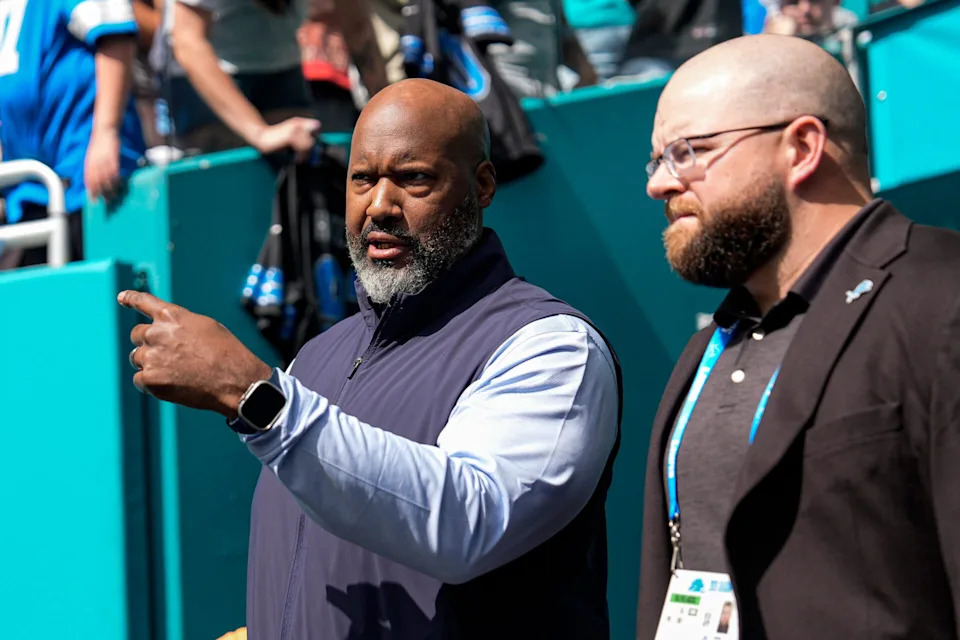
Detroit Lions general manager Brad Holmes watches warmup ahead of the game between Detroit Lions and Miami Dolphins at Hard Rock Stadium in Miami Gardens on Sunday, Nov. 8, 2026. Credit: USA TODAY Network via Reuters Connect (Reuters)
NFL Executives Question Trade Negotiations
According to the report, multiple NFL front office executives believe teams should not be permitted to renegotiate trade compensation after an agreement has already been reached.
Advertisement
The Lions’ deal for Cisco was one of several transactions cited as examples of the issue.
The Cincinnati Bengals backed out of an agreed-upon trade with the Philadelphia Eagles for linebacker Arnold Ebiketie after discovering the move would cost them a valuable compensatory draft pick. Meanwhile, the Denver Broncos attempted to change the compensation in a deal for Los Angeles Chargers linebacker Daiyan Henley after concerns reportedly surfaced during his physical.
The proposed changes did not satisfy the Chargers, and that trade was ultimately voided. The Eagles were also reportedly unhappy about Cincinnati backing out of its agreement.
Chargers head coach Jim Harbaugh publicly criticized the existing system, suggesting the NFL needs to close the loophole that allows teams to back out of agreed-upon deals.
Advertisement
One possible solution would prevent teams from altering draft-pick compensation once trade terms have been agreed upon. Instead, organizations would have to either accept the original deal or walk away from it entirely.
Did Brad Holmes Simply Outsmart the System?
Here is where things get interesting from Detroit’s perspective. While other teams saw their deals fall apart, Holmes managed to acquire the player he wanted while convincing the Jets to accept compensation one year later than originally planned.
The Lions did not violate any known NFL rule by renegotiating the deal, and the Jets willingly accepted the revised compensation. That makes Detroit’s situation different from transactions that were canceled after the teams involved failed to reach new agreements.
Advertisement
Holmes originally targeted Cisco because the Lions needed additional experience in their secondary, particularly with injuries creating uncertainty at safety. When Detroit announced the acquisition on November 9, the organization confirmed that a 2028 sixth-round pick was the initial price.
The official team announcement also highlighted Cisco’s experience, including 59 career starts entering his time with Detroit.
Now, less than a week later, the adjusted terms of that transaction are part of a discussion that could ultimately change how NFL teams conduct business.
There is no indication Holmes is facing punishment or that the league believes Detroit broke any rules. The issue is whether general managers should be allowed to renegotiate agreements after the original terms have been established.
Advertisement
And from where I’m sitting, if the Jets agreed to the new compensation, that’s simply good business by Holmes. If the NFL doesn’t like teams using the flexibility currently available to them, perhaps it should change the rules rather than complain about the general managers who know how to use them.
One thing is certain: Brad Holmes made a minor adjustment to a sixth-round draft pick, and now the NFL might end up having a much bigger conversation because of it.
Disclaimer : This story is auto aggregated by a computer programme and has not been created or edited by DOWNTHENEWS. Publisher: Sports.yahoo.com