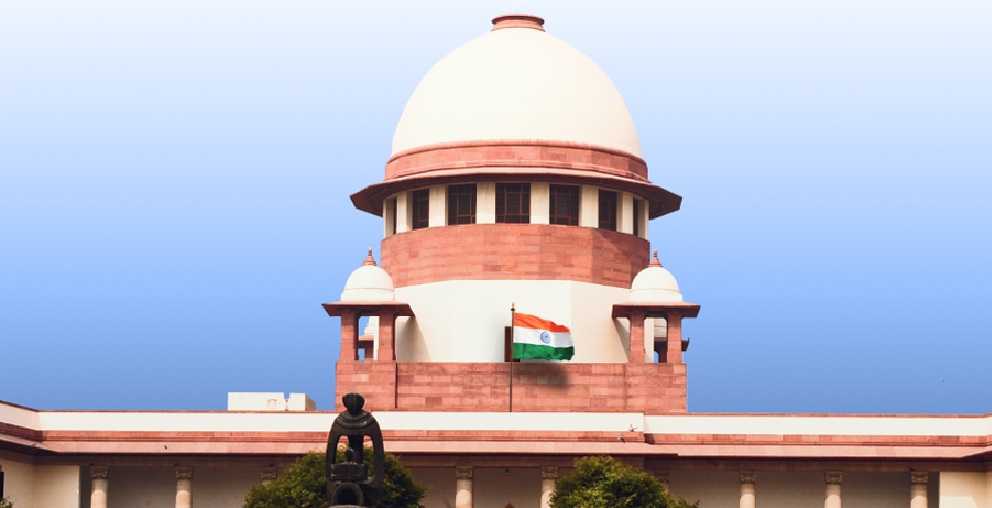
NEW DELHI: The Supreme Court has expressed concern that pollution in the Yamuna continues to increase despite huge expenditure on cleaning the river and directed the Central Pollution Control Board (CPCB) to monitor water quality at points where the river and major drains enter and exit states, Union Territories and districts.
In its November 4 order, a bench of Justice Manoj Misra and Justice Manmohan said industrial pollutants and untreated sewage must be stopped at source, stressing that merely constructing more sewage treatment plants would not be sufficient.
“This court is of the opinion that everything that is wrong with the civic administration in towns, cities and villages situated along the banks of the river is reflected in the poor health of the river and in the 520 drains that discharge wastewater into the Yamuna. This is why, despite huge sums being spent on cleaning the river, pollution in the Yamuna has only increased,” the bench observed.
The court said industrial pollution and untreated sewage must be curtailed, if not stopped altogether, at source.
It observed that where direct prevention was not possible, sewage should be intercepted and treated before being discharged into the river.
However, the bench noted that inadequate sewerage networks, the mixing of stormwater with sewage and unplanned settlements made sewage collection difficult.
It said illegal and unauthorised colonies and slum clusters along drains and the riverbed continued to contribute to pollution and stressed the need for rehabilitation of occupants while addressing encroachments.
The court directed the CPCB to monitor water quality at entry and exit points and identify stretches where pollution levels deteriorated.
It warned that states, Union Territories and districts would be held accountable and penalised if the river’s water quality deteriorated while passing through their jurisdictions.
The bench asked the CPCB to suggest a formula for calculating the compensation payable in such cases, with fines to be deposited with the Supreme Court registry.
The pollution control board was also directed to investigate incidents such as fish deaths, white foam on the river’s surface, algal blooms and abnormal increases in biochemical oxygen demand, chemical oxygen demand and total suspended solids.
Its reports must identify the causes of pollution and recommend remedial measures.
The court directed Central and state authorities to extend full administrative, technical and logistical support to the CPCB and institutions assisting it.
Public and private agencies operating sewage and effluent treatment facilities must provide unhindered access to their premises, installations and records for surprise inspections, sampling and technical audits.
The bench also directed the agencies to provide unrestricted access to operational data and cooperate with the CPCB’s centralised monitoring system.
The matter has been listed for further hearing on January 13, 2027.
Disclaimer : This story is auto aggregated by a computer programme and has not been created or edited by DOWNTHENEWS. Publisher: deccanchronicle.com