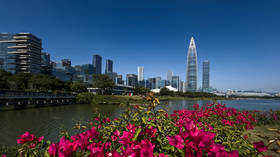
With wars dragging on and trust eroding, the Shenzhen talks could test whether major powers can still coordinate to steady the world
By Cui Heng, a research fellow at the Shanghai-based China National Institute for SCO International Exchange and Judicial Cooperation. He writes regularly for Chinese media outlets including the Global Times
This article was published as part of RT’s partnership with Global Times.
On November 19, Chinese President Xi Jinping, Russian President Vladimir Putin and US President Donald Trump will sit down together in Shenzhen for an unprecedented trilateral meeting. Newsrooms across the globe are closely following this gathering. Many Western media outlets have rushed to frame the upcoming talks as “a second Yalta.” Yet what they overlook above all is that the underlying theme of our times has fundamentally changed.
In 1945, the world was just emerging from the devastation of WWII. Within that historical context, major powers’ attempts to carve out spheres of influence through military power, while far from legitimate, gained a degree of acceptance under the prevailing international order of that era.
Today, despite multiple disruptive shocks, peace and development remain the dominant trends. Nations’ interests are deeply intertwined and interdependent. Any major-power confrontation would trigger far-reaching spillover effects across the globe.
China, Russia and the US are the three most influential power centers in international politics. This landmark meeting among their leaders sends a clear signal: Major-country coordination is meant to advance common security and open up a new path for peaceful coexistence in a multipolar world, rather than allow great powers to decide the fate of other nations.
Disclaimer : This story is auto aggregated by a computer programme and has not been created or edited by DOWNTHENEWS. Publisher: rt.com