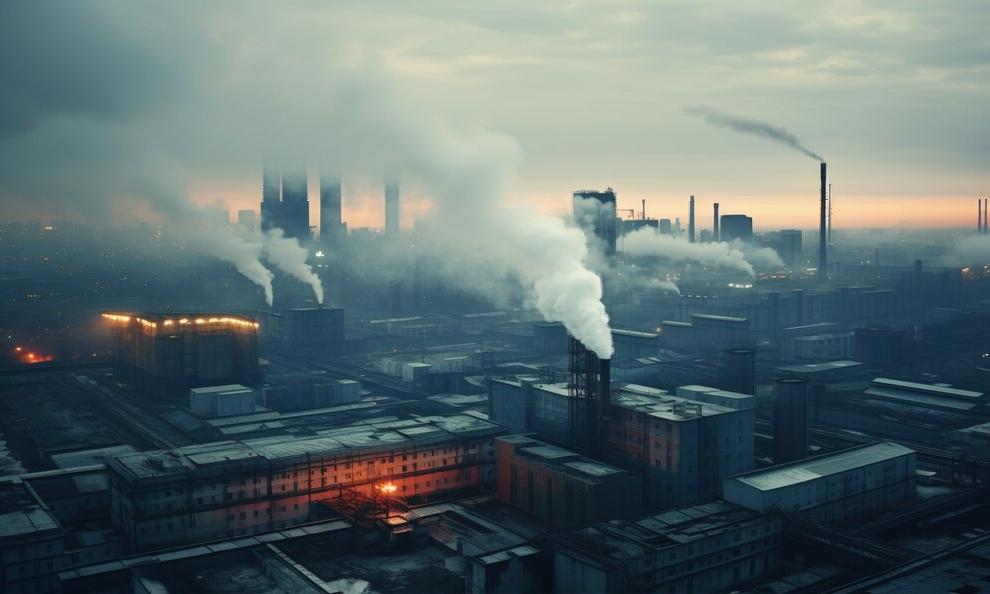
HYDERABAD: Hyderabad’s pharmaceutical industry is facing growing pressure from pollution-control costs, dependence on imported raw materials and financial constraints on small manufacturers, even as government incentives encourage domestic drug production.
The city’s industrial belts of Patancheru, Bollaram, Pashamylaram and Jeedimetla remain important centres for the manufacture of active pharmaceutical ingredients (APIs), bulk drugs and intermediates. However, rising expenditure on effluent treatment, zero-liquid-discharge systems and emission controls is becoming a major challenge, particularly for micro, small and medium enterprises (MSMEs).
Several studies have raised concerns over pharmaceutical pollution in the Patancheru-Bollaram industrial belt, including the presence of antibiotic residues, hazardous solvents and heavy metals. Antibiotic residues in wastewater pose an additional risk as they can contribute to antimicrobial resistance.
Pharmaceutical manufacturers must comply with pollution-control regulations, obtain statutory consents and meet prescribed effluent-discharge and monitoring requirements.
“Small units are not opposed to cleaner manufacturing, but a modern effluent-treatment or zero-liquid-discharge facility can cost more than the working capital of an entire unit,” said Suresh Gupta, a member of a Hyderabad MSME bulk-drug manufacturers’ group.
“We need subsidised common treatment infrastructure, faster approvals and longer payment cycles from large buyers,” he said.
Several MSMEs depend on common effluent treatment plants (CETPs), where wastewater undergoes treatment before disposal or reuse. Effluent with high levels of dissolved solids requires more intensive treatment, adding to operating costs.
“CETP charges, hazardous-waste disposal and monitoring costs rise every year, but product prices do not rise at the same pace,” Gupta said. “For a small API unit, one compliance failure can halt production and affect dozens of workers.”
Environmental-health researcher Dr Sridevi said clean manufacturing would be critical to the industry’s long-term competitiveness.
“Hyderabad has proved it can manufacture at scale. The next competitive advantage will come from proving it can manufacture cleanly,” she said.
“A plant that meets production targets but cannot demonstrate safe effluent management is carrying a hidden liability.”
Dependence on imported key starting materials and intermediates, particularly from China, continues to affect profitability and supply-chain resilience. Industry experts say domestic manufacturing must focus not only on expanding capacity but also on developing a reliable and cost-competitive supply chain.
“The city must move from volume-led generics to high-value, low-waste chemistry,” said life-sciences investment adviser Ravi Menon. “Otherwise, Hyderabad risks winning orders while losing community trust.”
With residential areas expanding towards older industrial estates, balancing industrial growth, employment and public health has emerged as a major challenge for Hyderabad’s pharmaceutical sector.
Disclaimer : This story is auto aggregated by a computer programme and has not been created or edited by DOWNTHENEWS. Publisher: deccanchronicle.com