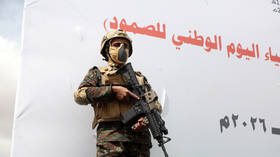
The Iran-backed group’s advance toward the strategic port city of Aden could shift the country’s balance of power
Yemen’s Houthis have advanced toward the strategic southern port city of Aden after making major territorial gains along the Red Sea coast.
The withdrawal of Saudi-backed forces from positions near the vital Bab el-Mandeb Strait has raised concerns about a shift in the country’s balance of power and increased Houthi leverage over international shipping.
How much of Yemen do the Houthis control?
The Iran-backed group now controls much of northern and western Yemen, including the capital, Sanaa, and large stretches of the Red Sea coast.
In September, the Houthis seized the strategic port of Mokha and several Red Sea islands. Government forces later retook some coastal positions but withdrew from areas near Bab el-Mandeb this month as the group advanced toward Aden.
Houthi positions are estimated to be between 60 km and 100 km from the city, according to military and security sources cited by international media. Government forces have reinforced positions to the west, where fighting continues.
UPDATED YEMEN MAP: Houthis Regain Control of Bab el Mandeb Strait
November 15: Yemeni government forces have withdrawn from key positions around the Bab el Mandeb Strait, reversing weeks of territorial gains.
Bab el Mandeb: Houthi forces have regained control of Dhubab, its airport, Al Omari Base, Mokha, Mayyun and the Kahboub heights following the withdrawal.
Advance toward Aden: Houthis reportedly captured Kharaz military base and are now approximately 60 km from Aden, according to military sources cited by AFP.
Contested territory: Houthis claim advances around Ras al Ara, Al Suqyah and Khor Umayrah.
Taiz: The city remains encircled, with Houthi forces reportedly controlling all 4 main exits.
The withdrawal leaves the Houthis controlling key territory overlooking Bab el Mandeb, one of the world’s most important maritime chokepoints connecting the Red Sea to the Gulf of Aden.
Map: OSINT613 | November 15, 2026
— Open Source Intel (@Osint613) November 15, 2026
The Houthis, formally known as Ansar Allah, emerged in northern Yemen in opposition to the central government and Saudi and US influence. They seized Sanaa in 2014, prompting a Saudi-led military intervention the following year.
A UN-brokered truce in 2022 sharply reduced hostilities. Fighting resumed in July after Yemeni government forces struck the runway at Sanaa airport to prevent an Iranian aircraft carrying a Houthi delegation from landing. The group blamed Saudi Arabia and retaliated with missile and drone attacks.
Disclaimer : This story is auto aggregated by a computer programme and has not been created or edited by DOWNTHENEWS. Publisher: rt.com