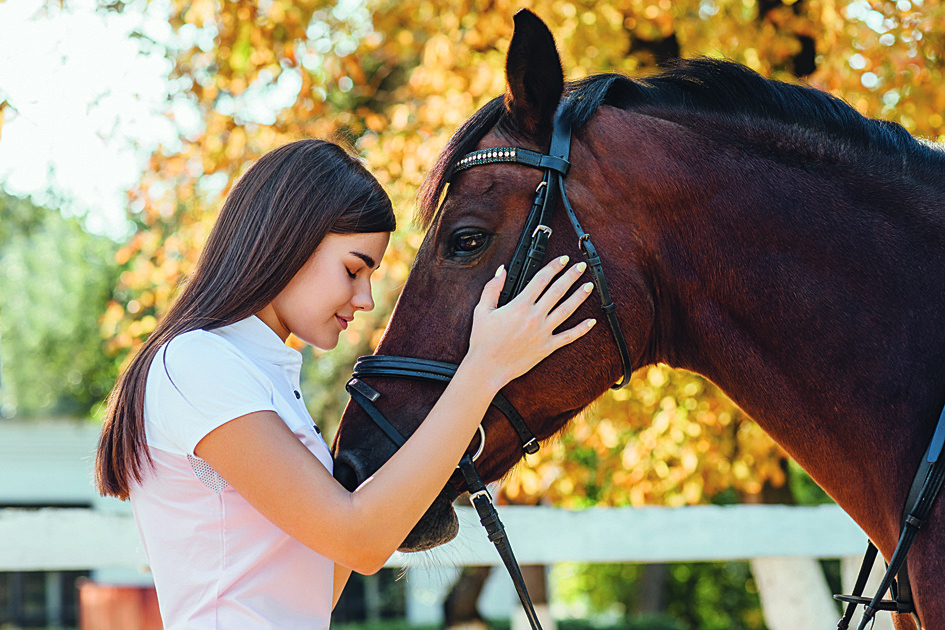
The wellness retreat landscape across India is evolving with animal interactions and companionships emerging as experiential approaches to relaxation and emotional wellbeing. Today, wellness retreats are looking beyond conventional spa, massage and ayurveda therapies. From spending time with dogs, cats and horses to cow cuddling, and feeding rabbits and birds – wellness in the company of furry friends has become the new mantra for healing and rejuvenation.
In A Good Moo-d
Horse-led therapy (equine-assisted therapy or EAAT) is surging among wellness seekers and luxury retreat guests across India. Many urban folks are frequently heading to wellness and animal therapy centres like The Hamlet (Hyderabad), Swastik Wellbeing Sanctuary, Fazlani Natures Nest (Lonavala), Manas Resort with Petting Zoo & Organic Farm (Igatpuri), and Cats Country (Hyderabad, Telangana) to name a few.
Paw-sitive Vibes Only
From grooming horses to feeding cows, turtles, and spending time with ducks, connecting with another living being offer an opportunity to rediscover a sense of emotional balance.
G Parimala Devi, a psychologist says, “Far from being a simple hobby or a superficial comfort, the human-animal bond has become a vital therapeutic sanctuary.”
In the everyday rush of life, we often forget to pause and reconnect with ourselves. Wellness retreats offer an escape from the noise of the city, creating a space to slow down, reflect and restore a sense of balance. With animal interactions finding a place alongside conventional therapies, the wellness experience is taking a new direction.
The Emotional Connection
While the emotional comfort of these interactions is often what draws people in, their impact goes beyond measurable mental and physical wellbeing. Research on human-animal interaction suggests observing animal behaviour can help regulate the body’s stress response, improve mood and foster emotional connection.
Dr. Parul Chaudhri, Certified Soul Level Animal Communicator & Healer says, “Animals bring us into the present moment. When you’re gently stroking a dog, sitting beside a horse or simply observing an animal, your attention shifts away from the constant noise in your mind.”
Simple interactions with animals can also offer a sense of companionship and help people calm their nervous systems. The seemingly mundane tasks influence body stress hormones and help balance oxytocin and cortisol, contributing to a sense of emotional relaxation. Dr Karishma Singh, a dermatologist from Pune shares her experience with her son at an animal retreat near Pune. “It is a rejuvenating experience for the whole family. My son kept smiling in the company of the birds. He got scared of the horse initially but his fear disappeared after some.”
Pause With Paws
Designed to offer a break from daily demands, these experiences may also create room for emotional release and a renewed sense of connection. Parimala adds, “A dog does not evaluate your income, a cat does not critique your social awkwardness, and a horse does not care if you have failed to reply to an urgent email.”
Most of these wellness retreats have dedicated animal petting and therapy programmes that help ease isolation and mental fatigue. This may be especially beneficial for the people who feel emotionally exhausted, experience loneliness or find it difficult to find peace and calm since animals can aslo be responsive to human emotional cues. Dr. Chaudhri says, “Animals are often far more observant of us than we realise. They can recognise and respond to certain human emotional signals. They pick up on changes in our voice, facial expressions, body language and, in some cases, even odours associated with stress.”
Companionship Beyond Retreat
The idea of finding comfort in animal interactions is hardly new. But animals need safe environments, adequate care and the freedom to interact on their own terms. Dr. Parul says, “An animal’s participation should always be a choice, not an obligation.” When these interactions are handled responsibly, they can offer animals opportunities for positive engagement, mental stimulation and social bonding, too. Recognising their comfort and respecting their boundaries is essential to ensuring that the relationship benefits both sides. The true beauty of the human–animal bond lies not in how much comfort animals can give us, but in how deeply we learn to understand and respect them. A connection becomes meaningful when the animal’s needs, choices and emotions matter just as much as our own.
Disclaimer : This story is auto aggregated by a computer programme and has not been created or edited by DOWNTHENEWS. Publisher: deccanchronicle.com