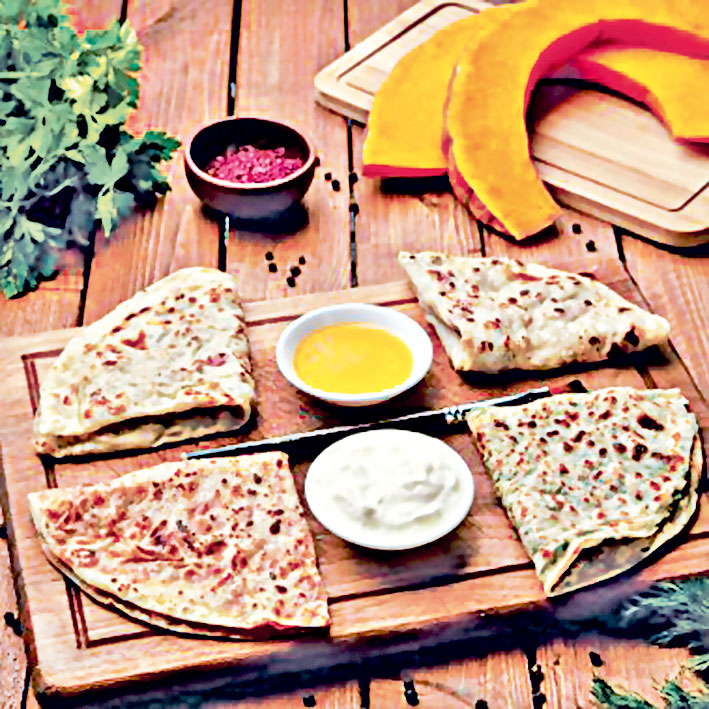
There’s nothing more satisfying than a piping hot roti or chapati straight from the pan into your plate. Roti, chapati, (aka phulka) are an everyday staple in most Indian homes, but many people are rolling out healthier and flavourful variations of it. Alongside wheat, rotis are now made with grains such as bajra, jowar, kodo, ragi, makki and amaranth. Vegetable-infused versions featuring beetroot, spinach and sweet potato are also gaining popularity for their distinctive flavours and nutritional benefits.
The Timeless Roti
Simple roti remains a symbol of warmth and nourishment. “The aroma of roti on a hot tawa and a swipe of ghee instantly evokes home. Versatile, wholesome and comforting, the humble roti-sabzi combination has remained a favourite across generations. From breakfast to dinner, it pairs effortlessly with everything from ghee and jaggery to dry sabzis and rich gravies. Its versatility, portability, lasting softness and balanced nutrition make roti-sabzi an economical and deeply satisfying tiffin staple,” says Kshitij Inamdar, Executive Chef, La Estoria IHCL SeleQtions.
Different Versions
India’s culinary landscape is defined by its regional rotis, each rooted in local grains and traditions. “From Karnataka’s rice-flour Akki Roti with herbs and chillies, and finger-millet Ragi Roti, to Punjab’s Missi Roti made with whole wheat and besan, and the iconic Makki di Roti with sarson da saag, every region shapes its staple around local harvests. The same is true of Rajasthan and Gujarat’s Bajra Roti, traditionally served hot with ghee and curries,” says Chef Maheep Garg of Vivanta Goa, Miramar.
Seasonal eating is embedded in Indian food culture. “Makki and bajra are associated with winter, while jowar and ragi feature prominently in everyday regional diets. These traditions reflect taste and nutrition, besides local agriculture, climate and generations of culinary wisdom,” says Dehradun-based food and lifestyle content creator Anushka Rawat, who shares recipes on @withanushkarawat.
Fab Fasting Flavours
Rajgira, singhara and kuttu are popular gluten-free flours used to make fasting rotis. “With their earthy flavours and unique nutritional benefits, these flours require careful handling and are often combined with boiled potato for binding. These rotis showcase the ingenuity of Indian food traditions, transforming simple ingredients into wholesome and satisfying fast (vrat) meals,” says Anushka.
The Roti Revival
Driven by growing interest in gut health, diabetes management and sustainable eating, many are rediscovering indigenous grains such as ragi, jowar, bajra and amaranth. Rotis are no longer viewed as mere accompaniments. By reviving regional specialities, showcasing heirloom grains and celebrating traditional techniques, chefs and restaurants are turning them into signature dishes that highlight India’s bread (rotis) heritage,” says Chef Maheep.
This renewed interest has also inspired innovation, with traditional rotis being reimagined through sourdough techniques, multigrain blends and regional interpretations. “It’s a reminder that some of the most exciting food trends are often rooted in our own culinary traditions,” adds Anushka.
Healthy Bytes
Multi-grain rotis are not necessarily healthier than wheat rotis. “Different grains, millets and pulses have varying nutrient profiles and contain anti-nutrients that can affect absorption. Gluten in wheat isn’t inherently harmful, and adding other grains doesn’t address gluten sensitivity. In some cases, combining multiple ingredients may even reduce the bioavailability of certain nutrients, making the expected nutritional benefits less clear-cut,” says Sonal Chandalia, Clinical Nutritionist and Consultant, Jaslok Hospital and Research Centre, Mumbai.
Older adults, especially those with digestive issues or reduced gut motility, may also experience bloating or discomfort due to the higher fibre content of millets. “While millet rotis can be a useful option for some, they may not suit everyone and should be chosen based on individual tolerance and health needs,” says Sonal. Herbs, spices, and seeds such as ajwain, cumin, turmeric, methi, and sesame can add flavour, micronutrients, and digestive benefits to rotis.
“Stuffed rotis can be a nutritious option, especially for children, older adults and those with a poor appetite. Fillings such as grated vegetables, dals and paneer add vitamins, minerals and protein, making the meal more wholesome and nutrient-dense,” says Sonal.
Akki Roti
(Courtesy: Chef Maheep Garg from Vivanta Goa Miramar)
Ingredients
– 2 cups fine rice flour
– 1 onion
– 2 green chillies
– 2 tbsp fresh coriander leaves
– 8 curry leaves
– 1 tsp cumin seeds
– Salt
– Oil or ghee
Method
1. Mix rice flour, chopped onion, green chillies, coriander, curry leaves, cumin and salt. Add warm water and knead into a soft dough. Divide into 4 portions.
2. Place a portion on a greased banana leaf or parchment paper and pat into a thin round roti using wet fingers.
3. Transfer to a hot tawa, drizzle with oil or ghee and cook on both sides until golden brown.
Thalipeeth Roti
(Courtesy: Kshitij Inamdar, Executive Chef, La Estoria IHCL SeleQtions)
Ingredients
– 1 cup jowar flour
– ½ cup bajra
– ½ cup rice flour
– ¼ cup besan
– 1 onion
– 2 green chillies
– 2 tbsp fresh coriander
– 1 tsp cumin seeds
– ½ tsp turmeric powder
– 1 tsp red chilli powder
– 2 tbsp sesame seeds
– About 1 cup water
– Salt and ghee, as desired
– Ghee or oil
Method
1. Mix the flours, besan, onion, green chillies, coriander, spices, sesame seeds and salt. Knead into a soft dough.
2. Divide into portions and flatten into discs on parchment paper or a damp cloth. Make a few holes in the roti to help it roast evenly and cook on a hot tawa with ghee or oil until golden brown on both sides.
3. Serve hot with white butter, yoghurt, pickle or thecha.
Sattu Roti
(Courtesy: Anushka Rawat, food and lifestyle content creator, @withanushkarawat)
For the dough
– 1 cup wheat atta
For the filling
– ½ cup sattu
– 1 onion
– 1 green chilli
– 1 tbsp fresh coriander
– ½ tsp ajwain
– ½ tsp roasted cumin powder
– ½ tsp amchur powder
– 1 tsp lal mirch achar masala
– Juice of ½ lemon
– 1 tsp mustard oil
– Salt as desired
Method
1. Knead atta, salt and water into a soft dough and let it rest for 15 minutes.
2. Mix sattu, onion, green chilli, coriander, spices, achar masala, lemon juice, mustard oil and salt. Sprinkle with a little water to moisten.
3. Divide the dough into 4 portions, stuff with the sattu mixture and seal.
4. Roll into parathas and cook on a hot tawa until golden brown, brushing with ghee if desired.
“Makki and bajra are associated with winter, while jowar and ragi feature prominently in everyday regional diets.”
— Anushka Rawat, food and lifestyle content creator
“Gluten in wheat isn’t inherently harmful, and adding other grains doesn’t address gluten sensitivity.”
— Sonal Chandalia, Clinical Nutritionist and Consultant, Jaslok Hospital and Research Centre, Mumbai
Disclaimer : This story is auto aggregated by a computer programme and has not been created or edited by DOWNTHENEWS. Publisher: deccanchronicle.com