- India becomes Asia’s third-most powerful, PM Modi second.
- Overall power score 40.5; narrowing gap with China significantly.
- Economic capability declined; however, future resources and influence improved.
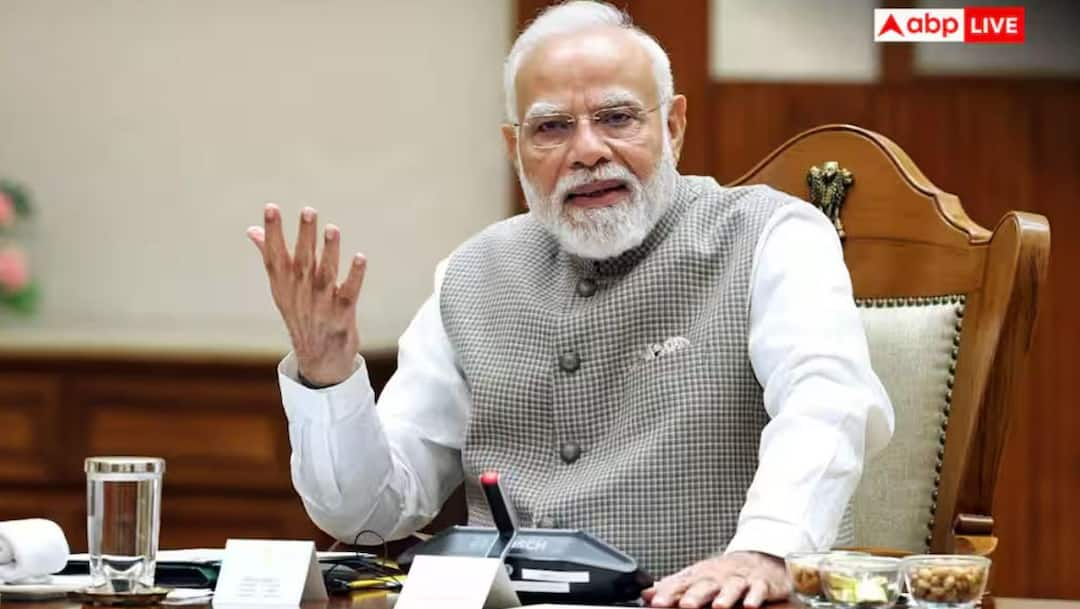
India and Prime Minister Narendra Modi’s position has remarkably made a huge progress with the country becoming Asia’s third-most powerful country and the PM is now ranked as the second-most effective regional leader, behind Chinese President Xi Jinping, as per the latest Asia Power Index released by the Lowy Institute.
The report noted that India strengthened its position as a major power in Asia, recording an overall score of 40.5 points. The power gap between India and China narrowed to its lowest level since the index was first introduced in 2018, although China’s overall power remains 80 per cent higher than India’s.
Despite a dip in its relative economic capabilities and a year focused on domestic challenges, India expanded its influence across several key areas, including defence networks, cultural influence and regional economic relationships.
India’s Economic Capability Slips, Future Resources Improve
India recorded mixed economic performance in 2026, with its Economic Capability score declining slightly to 26.4 points. Despite the dip, it retained its third position in the category.
A weakening rupee and a structural change in the International Monetary Fund’s (IMF) methodology for measuring economies affected India’s relative GDP standing. The country also witnessed an almost $20 billion decline in outbound investment.
However, the economic slowdown in relative capability did not affect India’s Future Resources score, which increased to 56.2 points on the back of an improved economic forecast. This indicates the scale of India’s potential economic opportunities in the coming years.
India Improves Defence, Trade And Cultural Influence
Despite mixed performances in economic capability and diplomacy, India expanded its influence across several other areas in Asia.
India was among only five countries whose Economic Relationships score did not decline in 2026, reflecting relative stability in its regional trade and investment ties. This helped the country climb two places to seventh position in the category.
Its Defence Networks score also increased to 18.6 points, taking India up two places to ninth. The improvement was driven by greater regional defence engagement and BrahMos missile sales to Southeast Asian countries.
India’s Cultural Influence score rose to 43.8 points, supported by improvements across all three dimensions measured by the index: cultural projection, information flows and people exchanges.
India’s Power Yield Improves For First Time Since 2023
The improvements across these categories helped India narrow its Power Yield gap for the first time since 2023.
Power Yield measures the difference between the power a country is expected to possess based on its resources and its actual comprehensive power score.
According to the Lowy Institute, the improvement, combined with India’s rising Future Resources score, indicates that the country has the potential to sustain its growing influence across Asia.
Disclaimer : This story is auto aggregated by a computer programme and has not been created or edited by DOWNTHENEWS. Publisher: abplive.com