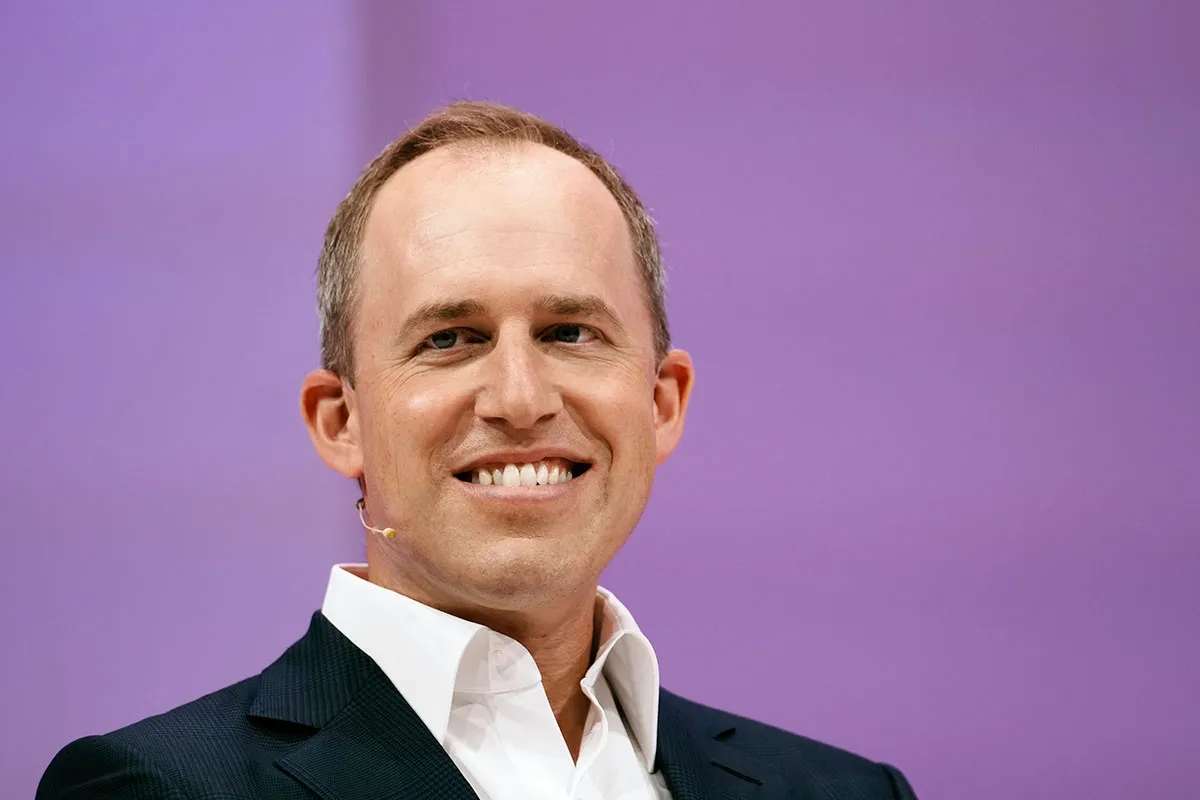
Enterprise customer experience company Sierra, co-founded by former Salesforce co-CEO Bret Taylor, said on Monday that it has raised $1.75 billion in a Series F round that doubles the company’s valuation to $30 billion. The new raise comes within six months of its previous round, which valued the company at $15 billion.
The new round was led by Greenoaks and Lightspeed Venture Partners, with participation from existing investors who have led previous rounds, including Benchmark, Sequoia, Greenoaks, GV, and Tiger Global.
Enterprise automation is among the few areas where AI has seen rapid adoption. Sierra said that it currently serves almost 50% of Fortune 50 companies, and its clients include BNY, HSBC, Singtel, Wells Fargo, JPMorganChase, Pearson, Next, and Cox Automotive. The company late last month said its outcome-based pricing model has helped it double its run-rate revenue to $400 million within five months.
That said, Sierra is working along similar lines as other customer experience players in the market, which is creating a platform to build agents and partner with model developers to provide choices to enterprises. As personal and work agents interact with enterprise systems, Sierra is also working on creating protocol definitions for agents with companies like Meta, Stripe, and Walmart.
Sierra will use the fresh cash build to its technology stack to layer agents for servicing, and hire more sales folks to sign and maintain enterprise contracts faster than its rivals.
Startups operating in the CX space have seen multi-million-dollar rounds come their way with soaring valuations. Voice AI company ElevenLabs is now valued at $22 billion; Decagon is valued at $4.5 billion; Wonderful is valued at $5 billion; and Parloa is valued at $3 billion. Multiple other startups have scored investments of more than $100 million.
During the HumanX conference in Amsterdam in September, Sierra co-founder Clay Bavor argued that despite the popular belief that AI-powered CX companies are replacing humans in contact centers, a majority of its customers are reassigning roles to existing employees.
When you purchase through links in our articles, we may earn a small commission. This doesn’t affect our editorial independence.
Disclaimer : This story is auto aggregated by a computer programme and has not been created or edited by DOWNTHENEWS. Publisher: techcrunch.com