
Annual inflation has soared to its highest level since the start of the war against Iran, hitting 4.9 per cent in October.
The Australian Bureau of Statistics on Wednesday reported that through October, prices for goods and services lifted by 0.7 per cent last month. It took the annual rate to its highest level since March.
Of concern for the Reserve Bank, the measure of underlying inflation lifted by 0.5 per cent to 3.8 per cent.
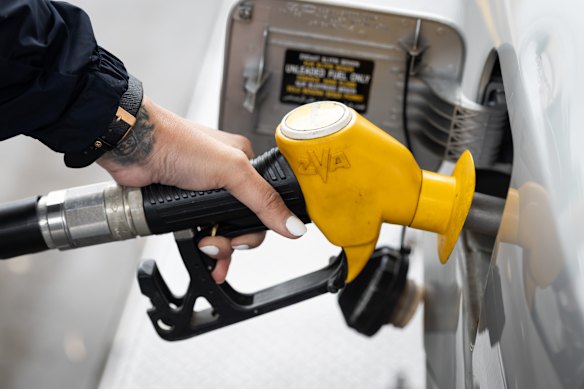
The bureau said the cost of building new homes lifted through the month while petrol prices grew by 6.3 per cent in October after a 9.4 per cent jump in September.
Through the month, prices for food increased by 0.4 per cent taking the annual rate to 3.4 per cent.
The cost of eating out has climbed by 4.1 per cent, while fruit and vegetable prices lifted by 7.5 per cent. That is being pushed by a surge in fruit prices which have lifted by 10.9 per cent over the year.
There were large increases in the prices for clothing and footwear, plus household goods, which both lifted by 1.2 per cent. Both are heavily influenced by changes in the Australian dollar.
The fastest growing continues to be transport costs, which lifted by 2 per cent in the month and by 10.6 per cent over the past year. The main contributor was petrol and diesel, with prices for those up 32.5 per cent over the past 12 months.
In a sign that higher oil prices are feeding more broadly into the economy, overall housing costs rose by 6.4 per cent over the past year after being up by 5.2 per cent to September.
The bureau’s head of price statistics, Rachael McCririck, said electricity prices jumped by 25.2 per cent in the 12 months to October.
She said this reflected the end of federal government rebates that reduced power prices last year but have now fully flowed through the official measure of inflation.
New dwelling prices rose by 5.1 per cent, up from 4.7 per cent, with the bureau noting this was due to builders passing on higher costs for materials and labour.
At the city level, inflation is running hottest in Hobart with prices there up by 6 per cent over the past year. Melbourne’s inflation rate is at 4.4 per cent. In Sydney, inflation is at 5.1 per cent while in Brisbane it is 4.7 per cent.
BDO chief economist Anders Magnusson said while the overall results were above what had been forecast by the Reserve Bank, it was still unlikely interest rates would be pushed up at the RBA’s December meeting.
“Transport did much of the work in lifting headline inflation, indicating pressure from overseas conflict, but domestic pressure is also clear through housing and services inflation,” he said.
“When price increases are spreading across services, it is harder to put the inflation problem down to a few large price movements or higher costs coming from overseas.”
Cut through the noise of federal politics with news, views and expert analysis. Subscribers can sign up to our weekly Inside Politics newsletter.
 Shane Wright is a senior economics correspondent for The Sydney Morning Herald and The Age.Connect via X or email.
From our partners
Disclaimer : This story is auto aggregated by a computer programme and has not been created or edited by DOWNTHENEWS. Publisher: www.smh.com.au