TOKYO –
Japan’s Nikkei Stock Average plunged 1,633 points, or 2.78%, to close at 57,012 on Wednesday, November 25, as renewed selling of artificial intelligence and semiconductor stocks erased much of the previous day’s rally, while concerns over additional U.S. tariffs and unexpectedly strong domestic service-sector inflation added to uncertainty surrounding Japan’s economic outlook.
The benchmark briefly fell below 57,000 during morning trading, reaching 56,502 at one stage before recovering some of its losses in the afternoon. The decline followed Tuesday’s extraordinary 2,208-point rebound, when renewed enthusiasm for technology shares lifted the Nikkei by 3.91%. Wednesday’s reversal demonstrated how quickly investor sentiment has been shifting as global markets reassess the valuations of companies associated with the artificial intelligence investment boom.
The broader TOPIX index fell 18.68 points, or 0.50%, to 3,746.20, a substantially smaller percentage decline than the Nikkei. The difference reflected the heavy influence of semiconductor and technology companies on the price-weighted Nikkei, compared with the more diversified composition of TOPIX. Indeed, 993 companies on the Tokyo Stock Exchange’s Prime Market advanced, compared with 537 that declined, indicating that selling was concentrated in a relatively narrow group of influential stocks rather than across the market as a whole.
Trading remained active, with turnover on the Prime Market reaching approximately 7.5 trillion yen and volume totaling 2.73 billion shares, as investors continued to reposition portfolios following the sharp market fluctuations of recent sessions.
The latest decline was driven primarily by renewed weakness in U.S. semiconductor stocks overnight. The Philadelphia Semiconductor Index fell 7.88%, while the technology-heavy Nasdaq Composite lost 1.47%, reversing some of the optimism generated by the previous session’s rally in artificial intelligence companies.
Japanese semiconductor testing equipment maker Advantest was among the principal casualties, alongside electronic components and semiconductor-related companies including Ibiden and Taiyo Yuden. Kioxia Holdings and Fujikura also faced selling pressure as investors reduced exposure to companies closely connected with global demand for AI computing infrastructure.
The retreat underscored the increasingly close relationship between Japan’s equity market and developments in the U.S. technology sector. Companies supplying semiconductor manufacturing equipment, advanced electronic components, memory products and data-center infrastructure have become important contributors to Tokyo’s market performance, leaving the Nikkei particularly sensitive to changes in expectations for AI investment.
Investor enthusiasm had recovered sharply on Tuesday following a rebound in U.S. technology shares associated with Nvidia. However, the subsequent selloff suggested that doubts over valuations, capital spending requirements and the sustainability of earnings growth remain unresolved.
Trade policy added another source of uncertainty. Reports that the administration of U.S. President Donald Trump was considering further tariff increases affecting major trading partners, including China and European economies, prompted renewed concern over the outlook for international commerce and global manufacturing.
Japan’s export-oriented economy is particularly exposed to disruptions in international supply chains, with automotive manufacturers, machinery producers, electronics companies and semiconductor suppliers dependent on demand from overseas markets. Even where additional tariffs do not directly target Japanese products, the resulting changes in trade flows and industrial investment can affect orders received by Japanese manufacturers.
The selling extended beyond technology. Nonferrous metals companies came under pressure as copper prices weakened, reflecting concerns about industrial demand and the outlook for investment in electronics and electrical infrastructure. JX Advanced Metals and Mitsui Mining & Smelting declined, while the nonferrous metals sector was among the day’s weakest performers.
Financial stocks also struggled, with Mitsubishi UFJ Financial Group and Nomura Holdings declining as investors reassessed the outlook for interest rates, economic growth and financial-market volatility.
Defense-related manufacturers faced a separate setback following reports of substantial reductions in orders at some companies. Mitsubishi Heavy Industries and Kawasaki Heavy Industries were among the stocks sold, highlighting the sensitivity of defense-sector valuations to changes in procurement expectations and contract volumes.
In contrast, companies less directly exposed to the global technology cycle attracted buying interest. Pharmaceuticals, real estate and food producers were among the strongest sectors, while insurers and trading companies also found support. MS&AD Insurance Group Holdings and Itochu advanced, along with consumer-oriented companies including Zensho Holdings and East Japan Railway.
Rohto Pharmaceutical rose sharply following an announcement of price increases for products including eye drops, together with market reports of a brokerage investment-rating upgrade. The gains reflected investor interest in businesses with established domestic demand and opportunities to protect profit margins through higher selling prices.
The contrasting performances illustrated a growing divide within Japan’s stock market. While AI-related manufacturers remained vulnerable to overseas technology-sector volatility, companies serving domestic consumers or operating in defensive industries benefited from investors seeking more predictable earnings.
The Tokyo Stock Exchange Growth Market 250 Index also declined sharply, reflecting continued pressure on smaller emerging companies. Business software company TOKIUM, which made its stock market debut on Wednesday, opened at 1,490 yen, below its initial public offering price of 1,620 yen, providing another indication of cautious investor sentiment toward growth-oriented businesses.
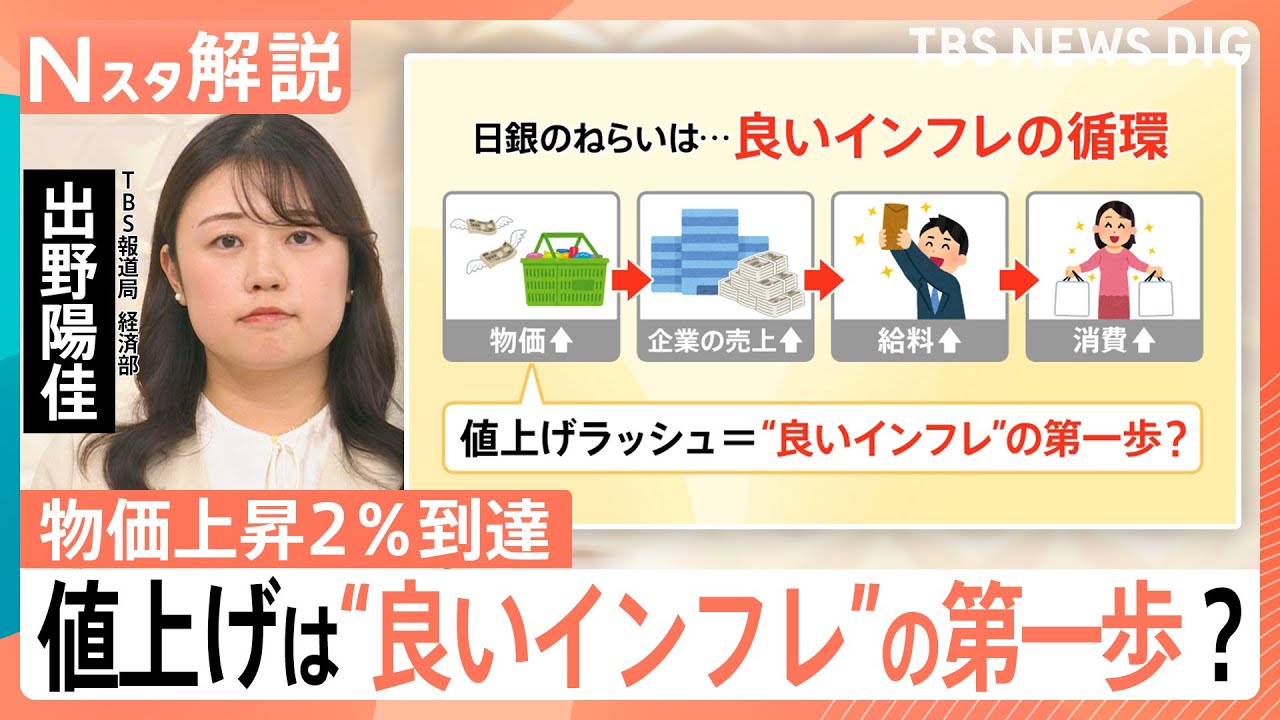
Japan’s inflation outlook became another important consideration after Bank of Japan data showed that prices charged by companies for services rose 4.2% in October from a year earlier, accelerating from a revised 3.8% increase in September and exceeding market expectations of approximately 3.6%.
The corporate services price index reached 116.9, based on a 2020 average of 100, reflecting continued upward pressure on business expenses. The acceleration was particularly significant because service-sector inflation is closely monitored by the Bank of Japan as an indicator of whether price increases are becoming more deeply embedded in the domestic economy.
Unlike fluctuations in imported commodities, sustained increases in domestic service prices can reflect labor shortages, higher wages and the growing ability of businesses to pass operating costs on to customers. The latest figures suggested that inflationary pressures were extending beyond imported goods and energy, strengthening the argument for further monetary tightening if wage growth and domestic demand remain sufficiently resilient.
The findings complicated the outlook for Japanese companies. While higher selling prices can support revenue and operating margins, rising costs for transportation, professional services, accommodation and other business activities may place additional pressure on profitability, particularly among smaller companies with limited pricing power.
The Bank of Japan faces a delicate policy decision as it attempts to normalize interest rates without undermining economic activity. Stronger service-sector inflation could encourage policymakers to consider further rate increases, but elevated market volatility and uncertainty surrounding international trade complicate the timing of additional tightening.
Attention also turned to Japan’s government bond market, where the Ministry of Finance conducted an auction of 40-year government bonds on Wednesday. The auction attracted bids totaling 786.5 billion yen against accepted bids of approximately 299.6 billion yen, producing a bid-to-cover ratio of 2.63, down from 3.10 at the previous auction on September 29.
The highest accepted yield reached 4.090%, with the bonds carrying an annual coupon of 3.8%. The weaker bidding ratio indicated a decline in demand relative to the previous auction, highlighting the challenges facing Japan as government borrowing costs rise.
The auction attracted particular attention because yields on longer-dated Japanese government bonds have become an increasingly important indicator of investor confidence in the country’s fiscal outlook. Japan’s substantial government debt, together with expectations for additional public spending and the gradual withdrawal of monetary accommodation, has increased sensitivity to changes in borrowing requirements and investor demand.
Higher yields can improve returns for institutional investors, including life insurers and pension funds, but they also increase financing costs across the economy and can affect the valuation of equities, property and other long-duration assets.
The relationship between bond yields and banking shares remains complex. Higher interest rates can improve banks’ lending margins over time, but rapid movements in bond prices may create valuation losses on securities portfolios and raise concerns about credit demand. Wednesday’s weakness in major financial companies suggested that investors were weighing these competing effects against the broader deterioration in market sentiment.
In foreign exchange trading, the yen remained relatively stable despite the sharp decline in Japanese equities. The dollar traded around 159.38 yen at 2 p.m. in Tokyo, little changed from the previous day’s late-afternoon level, after moving through the lower half of the 159-yen range during the morning.
The currency’s limited reaction contrasted with the substantial movements in Tokyo stocks, suggesting that foreign exchange investors were awaiting clearer signals from U.S. economic data and central bank policy rather than responding directly to the technology-led equity selloff.
The yen’s continued weakness nonetheless remained a major concern for Japanese households and import-dependent businesses. A dollar near 159 yen raises the domestic cost of imported energy, food and industrial materials, potentially offsetting some of the benefits of easing international commodity prices.
For Japanese exporters, a weaker yen can support the value of overseas earnings when translated into domestic currency, although tariffs and changes in global demand can reduce that advantage. The resulting divide between exporters and companies serving domestic consumers has become an important factor in earnings expectations.
The international commodity market provided another source of uncertainty. Copper prices came under renewed pressure as investors reassessed demand linked to artificial intelligence infrastructure and the broader manufacturing cycle. The decline affected Japanese metal producers and companies exposed to industrial materials, contributing to weakness in the nonferrous metals sector.
Energy prices remained important for Japan’s inflation and trade outlook. International oil prices had been fluctuating around $80 a barrel, with geopolitical risks and uncertainty over global economic growth influencing trading. For Japan, which depends heavily on imported fossil fuels, sustained increases in crude oil prices would add to pressure on corporate expenses, household purchasing power and the trade balance.
The combination of weak technology shares and rising domestic service prices created a particularly difficult environment for growth-oriented companies. Higher interest rate expectations tend to reduce the present value investors assign to earnings expected far into the future, making companies with elevated valuations especially vulnerable when confidence in their growth prospects deteriorates.
At the same time, the movement of funds into pharmaceuticals, food producers, railways and other domestically oriented businesses suggested that investors were not abandoning Japanese equities altogether. Instead, Wednesday’s trading reflected a reassessment of which companies could deliver dependable earnings in an environment of persistent inflation, higher financing costs and uncertain overseas demand.
Corporate developments added to the day’s contrasting market performances. Rohto Pharmaceutical’s announcement of product price increases demonstrated how established consumer businesses are attempting to preserve profitability in the face of higher operating costs. The favorable market reaction also suggested that investors were willing to reward companies with sufficient brand strength to pass additional expenses on to customers.
The weak debut of TOKIUM, meanwhile, illustrated the challenges confronting companies seeking capital through new listings. Its opening price of 1,490 yen was approximately 8% below its 1,620-yen offering price, underscoring the selective appetite for newly listed growth companies despite the relatively large number of stocks advancing on the broader market.
International developments were expected to remain central to trading through the remainder of the week. U.S. economic releases scheduled for Wednesday evening in Japan, including updated third-quarter gross domestic product figures and October personal consumption expenditures data, were expected to influence expectations for Federal Reserve interest rate policy.
Particular attention was focused on the personal consumption expenditures price index, the Federal Reserve’s preferred inflation measure. A stronger-than-expected reading could reinforce expectations that U.S. interest rates will remain elevated, potentially supporting the dollar while increasing pressure on global technology valuations. Softer inflation could have the opposite effect, encouraging expectations of monetary easing and renewed demand for growth shares.
The Federal Reserve’s Beige Book report on regional economic conditions was also scheduled for release, providing additional evidence of developments in consumer spending, employment, wages and business activity across the United States.
Trading conditions could become less predictable toward the end of the week because U.S. financial markets will close for Thanksgiving on Thursday, November 26, followed by shortened trading hours on Friday. Reduced overseas liquidity can amplify price movements when investors respond to unexpected economic or political developments.
In Japan, attention will turn to Bank of Japan Policy Board member Naoki Tamura’s scheduled remarks on Thursday, November 26, for indications of how policymakers interpret the latest inflation figures and the appropriate timing of further interest rate adjustments.
Wednesday’s trading left the Nikkei approximately 2,433 points below its November 19 closing level of 59,444, despite Tuesday’s substantial recovery. The repeated swings have emphasized the influence of U.S. technology shares on the Japanese market and the difficulty of establishing a sustained recovery while questions persist over AI-related valuations, trade policy and monetary conditions.
The more resilient performance of TOPIX and the large number of advancing stocks nevertheless suggested that investors were increasingly differentiating between sectors rather than withdrawing indiscriminately from Japanese equities. Whether that rotation develops into a more durable trend will depend on the stability of overseas technology markets, the trajectory of domestic interest rates and the ability of Japanese companies to maintain earnings growth as business costs continue to rise.
Disclaimer : This story is auto aggregated by a computer programme and has not been created or edited by DOWNTHENEWS. Publisher: newsonjapan.com