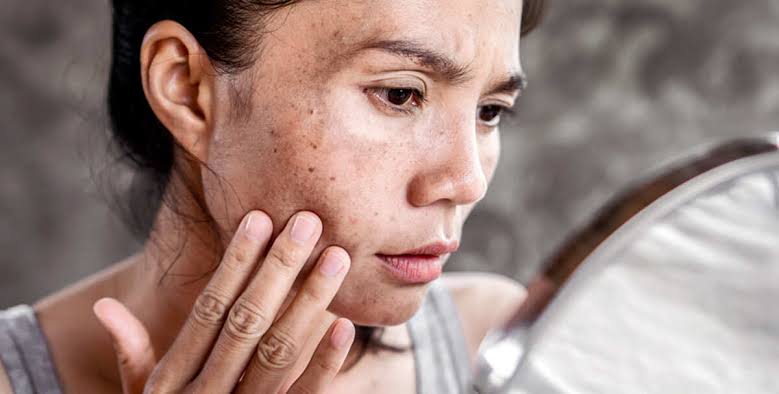
A fairness cream promising a brighter complexion could come with a darker price: mercury poisoning, kidney damage and neurological complications. Malayalam singer Saleem Kodathoor revealed on November 22 that using a skin-lightening cream about a decade ago led to a severe urinary infection and membranous nephropathy, a serious kidney disorder. Within weeks of applying the cream, he developed swelling in his eyelids and legs, lowered immunity and a severe urinary tract infection. Doctors found that he was losing albumin, a vital blood protein, and a kidney biopsy confirmed membranous nephropathy. Tests reportedly linked the condition to high mercury levels in the cream.
With one cream reportedly containing 12,500 ppm of mercury against the internationally recognised 1 ppm limit for cosmetics, doctors are warning of the dangers lurking in the beauty market. As influencers continue to sell instant-fairness promises online, the question is: what are consumers really putting on their skin?
BEAUTY’S KIDNEY COST
Mercury does not have to be swallowed to enter the body. Repeated application of contaminated creams can allow it to pass through the skin and accumulate in organs, particularly the kidneys. “Repeated application of mercury-containing skin-lightening creams can lead to gradual accumulation of mercury in the body,” says Dr Satyanarayana Garre, Consultant Nephrologist and Transplant Physician, Apollo Hospitals.
The kidneys are particularly vulnerable. Mercury can directly injure kidney cells and trigger an abnormal immune response that damages their filtering units. This can cause protein to leak into the urine, leading to nephrotic syndrome and, in severe cases, impaired kidney function. Dr Rajiv M, Senior Consultant Interventional Nephrologist and Renal Transplant Physician, Medicover Hospitals, warns that mercury exposure from fairness creams can trigger membranous nephropathy, damaging the kidney’s filtering membranes. “Indian studies have also linked mercury exposure to a type of kidney disease called NELL-1-associated membranous nephropathy. Kidney damage may initially show no symptoms. Even normal creatinine levels do not always mean the kidneys are healthy.”
BEYOND THE SKIN
Mercury can affect the nervous system, causing tremors, memory problems, irritability, numbness and difficulty concentrating. Children and pregnant women are especially vulnerable. Mercury residues on clothing, skin and household surfaces, along with vapours, can potentially expose family members who never applied the cream themselves. “An often-overlooked concern is secondary exposure among household members, particularly children,” says Dr Satyanarayana.
WHITENING CREAM RISKS
Dr Deepika J Sanbal, Consultant Dermatologist, Kamineni Hospitals, warns that unregulated skin-lightening products may contain potent corticosteroids and unsupervised hydroquinone. Prolonged steroid use can thin the skin, trigger acne and cause hormonal disturbances. Inappropriate hydroquinone use can lead to persistent pigmentation.
TOLL ON KIDNEY
Prolonged mercury exposure can cause immune injury to the kidneys. “Patients may develop protein leakage, low blood albumin, high cholesterol and nephrotic syndrome,” says Dr Ch Sashidhar, Senior Consultant Nephrologist and Renal Transplant Physician, CARE Hospitals and Mahavir Hospital adding, “Continued exposure can lead to chronic kidney disease.”
What should you do?
Dr Ch Sashidhar suggests:
· Stop using any product suspected of containing mercury.
· Seek a nephrologist’s assessment promptly.
· Tests may include urine protein quantification, serum albumin, kidney function and cholesterol levels.
· A kidney biopsy may be required to establish the diagnosis.
THE CONSUMER’S CHECKLIST
Dr K Kranthi Kumar, Senior Consultant Nephrologist and Transplant Physician, Asian Institute of Nephrology and Urology lists out:
· Mercury is toxic: Repeated exposure can damage the kidneys and nervous system.
· Skin absorption is possible: Mercury-containing creams can expose the body to toxic substances through repeated application.
· Question instant-fairness claims: Products promising dramatic results in just a few days deserve caution.
· Don’t trust social media blindly: Influencer promotions and customer reviews are no guarantee of product safety.
· Check the label: Look for manufacturer details, ingredients, batch number, expiry date and regulatory compliance.
· Stop suspected exposure: Discontinue suspicious products and seek medical advice.
· Beauty should never compromise health: Skin colour is not a disease. Avoid unregulated skin-lightening products.
MERCURY: WHAT CONSUMERS SHOULD KNOW
· Know the chemical names
Calomel, mercurous chloride, mercuric chloride and ammoniated mercury.
· Don’t trust appearances
Smell, colour and texture cannot detect mercury.
· Labels aren’t foolproof
No mercury listed doesn’t mean mercury-free.
· Lab testing is essential
Mercury requires specialised laboratory tests such as atomic absorption spectroscopy or ICP-MS.
“Mercury in fairness creams can accumulate in the body and expose even other household members, particularly children.” — Dr Satyanarayana Garre
WHEN YOUR KIDNEYS ARE AT RISK
· Watch for warning signs
Frothy urine, puffy eyes, swollen feet and ankles, unexplained weight gain and fatigue may indicate kidney involvement.
· Normal creatinine isn’t enough
Normal creatinine levels do not necessarily rule out kidney damage or protein leakage.
· Get tested
Regular users of suspicious creams should seek medical advice on kidney function tests, blood pressure monitoring and urine protein evaluation. — Dr Rajiv M
Disclaimer : This story is auto aggregated by a computer programme and has not been created or edited by DOWNTHENEWS. Publisher: deccanchronicle.com