US Army says controlled blast of explosives in Iowa was ‘huge success’
To play this video you need to enable JavaScript in your browser.
This video can not be played
-
Published
The US military has hailed as a “huge success” the detonation of nearly five tonnes of toxic explosives in Iowa, an operation that sparked widespread fears of health and environmental problems across the region.
Smoke was seen rising into the sky shortly after 09:00 local time (14:00 GMT) following the explosion, as the army declared the risk “as close to zero as is absolutely humanly possible”.
President Donald Trump said the mitigation efforts “have far exceeded expectations”.
Plans to detonate the lead azide, a highly volatile compound reportedly at risk of exploding on its own, were paused multiple times before Wednesday’s detonation following public outcry and legal challenges.
Despite widespread concern from residents of Middletown, Iowa ahead of the blast, officials have said that lead readings in the area so far have been promising.
“The Army’s controlled, mitigated detonation exceeded all expectations and was a HUGE success,” Adam Telle, acting secretary of the US Army, wrote on social media.
“We are watching EPA’s [Environmental Protection Agency] MASSIVE sensor array throughout the area closely, and there are no readings so far above 0.0,” he added.
The explosives had been in storage for around 20 years, and degraded as part of a process known as recrystallisation – this made them more responsive to accidental detonation from friction or other movement.
No level of lead exposure is considered safe, with children and pregnant women particularly vulnerable to its harmful effects.
Middletown Mayor Rodney Johnson told the BBC he felt “relieved” and “vindicated” after the detonation.
He watched the blast from his job at a manufacturing plant eight miles (12km) away from the blast – and monitored a camera at his two-bedroom home just one mile from the detonation site.
“We did not feel anything. We did not see anything,” Johnson said.
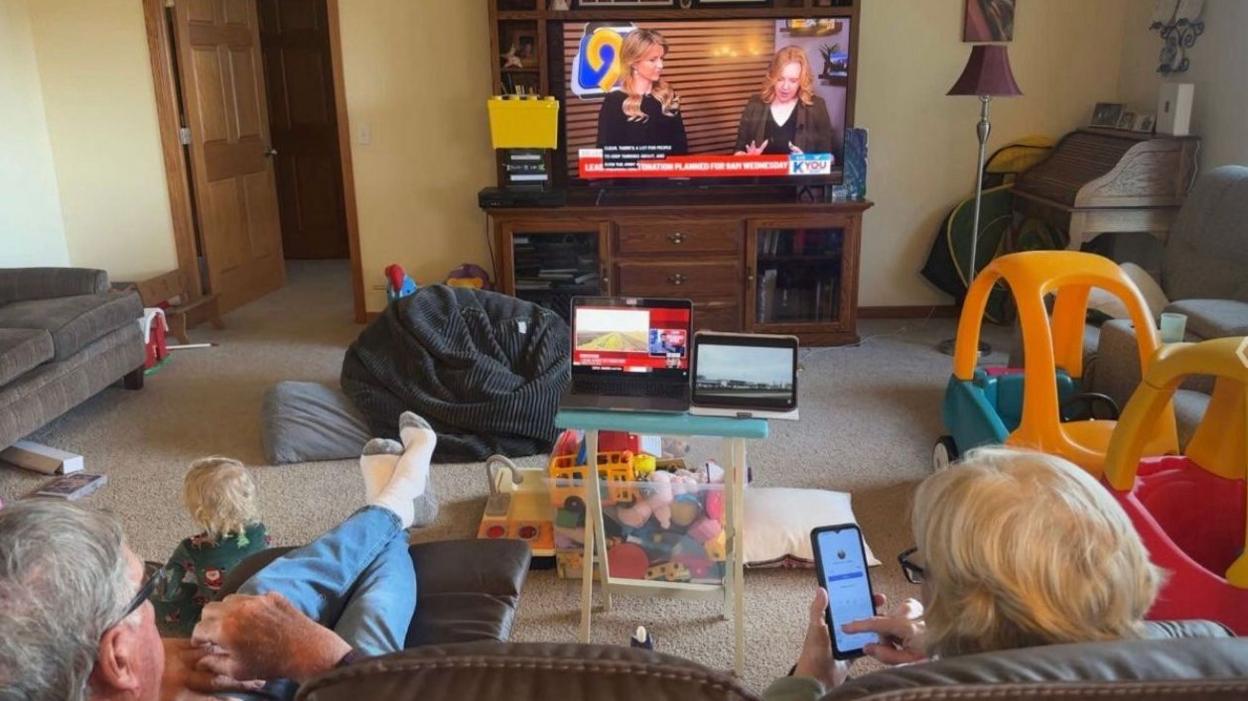
Some eight miles (12km) away from Middletown, Sandy Mabeus closed the windows and the garage at her home, brought their outdoor cat inside and hunkered down earlier today.
The family watched three separate live streams on iPads and televisions of the explosion as it happened.
“We did not feel or hear a thing here,” she told the BBC, adding that she checked the videos to confirm it had actually happened.
“The waiting and wondering has not been a good thing for anybody in the area,” she said. “Hopefully they had a very good result and we can just get on with things.”

In recent weeks, the army scheduled and rescheduled their detonation ahead of colder winter temperatures.
It also warned locals of “potential exposure to toxic lead dust,” which led to some panic. They instituted measures including an optional evacuation zone and a shelter-in-place advisory ahead of the detonation.
The army faced pushback from residents and politicians alike and there was even legal action seeking to prevent the detonation from going ahead on environmental and health grounds.
But on Monday, the appeals court overturned a decision to halt the blast. It said that – while these concerns were valid – the risk from an unplanned explosion was greater.

Sheila Flynn and Kwasi Gyamfi Asiedu contributed to this report
-
-
Published1 day ago

-
-
-
Published3 days ago
-

Disclaimer : This story is auto aggregated by a computer programme and has not been created or edited by DOWNTHENEWS. Publisher: newsrss.bbc.co.uk