People are finally taking beneficial notes from the new economics of waste and upcycling. Did you know that a pile of discarded hair could help tackle oil spills, a handful of soot could be turned into ink for everyday use, and even food waste can find value when processed into organic fertilizers? With over 5,000 registered startups operating across different segments of waste management, the sector has come to embody both, growing entrepreneurial interest and an increasing need for innovative solutions. Multiple businesses in India are finding ways to create valuable resources from waste.
Trash-information
As Indian entrepreneurs explore unconventional ways of creating commercially useful products, an entirely new avenue for utilising waste is opening up. Business opportunities that bring environmental sustainability and economic growth together are beginning to take shape.
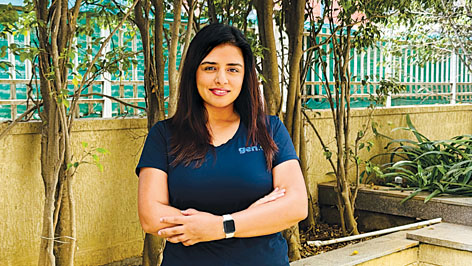
Srishti Kukreja, Co-founder of Gen.E says, “A new generation of founders see waste as
raw material. The perception has gone full circle. What’s happening now is a rediscovery, backed by technology and capital: waste is a resource in the wrong place.” Behind these innovations is a chain of processes that determines whether they can translate into viable businesses.
Value Of Waste
From ensuring the availability and consistent supply of waste materials to assessing their suitability for processing, every stage of conversion comes with its own set of operational hurdles.
Akshay C S Deshpande, Founder, CEO of SwitchEko says, “One of the biggest challenges for waste-to-value businesses in India is not just the availability of raw materials, but the consistency, quality and segregation of the material being supplied.”
He adds that there is a significant gap between the waste generated and the usable raw material that actually reaches recycling and manufacturing industries.
Beyond sourcing, another major challenge for such businesses lies in balancing the cost of conversion with the
market value of the final product. In a price-conscious market like India, consumers may be hesitant to pay a premium for products made using sustainable alternatives, particularly when conventional options are more affordable.
Akshay further adds, “India is growing rapidly, and we are seeing more entrepreneurs entering the waste-management space with innovative technologies, business models and solutions. However, the sector continues to face three major challenges.”
He identifies these as work-ing capital constraints and delayed payments, limited government adaptability and institutional support, and a lack of awareness and understanding of resource recovery.
Rethinking Recycling
Traditionally, waste management in India has largely focused on collection, disposal and conventional recycling, with limited emphasis on recovering value from discarded materials. However, this outlook is gradually changing. “This is an opportunity to connect that instinct with modern products, so that choosing something made from recovered material feels smart and aspirational, not like a sacrifice,” says Kukreja.
As the understanding of recycling evolves, it is creating new opportunities for resource recovery, broadening the environmental benefits of waste management. These advantages extend beyond pollution prevention and mitigation.
Reuse contributes to more resource-efficient production cycles, where materials remain in use for longer rather than being discarded after a single use. By reducing the need for fresh extraction and processing of resources, these practices can also help lower the environmental footprint of production.
Recycle Value Chain
The journey from waste to a marketable product requires a series of processes that must be carried out efficiently to ensure the final output is usable and commercially viable.
Beginning with waste segregation, the process also requires reliable collection channels to ensure that suitable materials can be sourced in sufficient quantities. Depending on the quality and condition of the materials, businesses transform them into usable components. Essentially, sourcing, processing and product viability form the three key pillars of such businesses.
For A Better Future
More entrepreneurs in India are exploring business models that create value from discarded materials while contributing to the country’s growing economy. As a result, new avenues for resource recovery continue to emerge every day, demonstrating that discarded materials can become valuable economic resources.
Invaluable Assets
• Discarded hair can help tackle oil spills
• A handful of soot can be turned into ink daily use
• Food waste can be converted into organic fertilizers
• Discarded tyres are recycled into rubber flooring and playground surfaces
• Plastic bottles and waste glass can be converted into beautiful tiles
One of the biggest challenges for waste-to-value businesses in India is not just the availability of raw materials, but the consistency, quality and segregation of the material being supplied.”
— Akshay C S Deshpande, Founder, CEO, SwitchEko
Choosing something made from recovered material feels smart and aspirational, not like a sacrifice.”
— Srishti Kukreja, Co-founder, Gen.E
Disclaimer : This story is auto aggregated by a computer programme and has not been created or edited by DOWNTHENEWS. Publisher: deccanchronicle.com