After a chaotic final fortnight of late-night talks, a U-turn on electricity tax and record borrowing, Germany’s Bundestag has finally approved the budget for 2027. Here’s what it means for you.
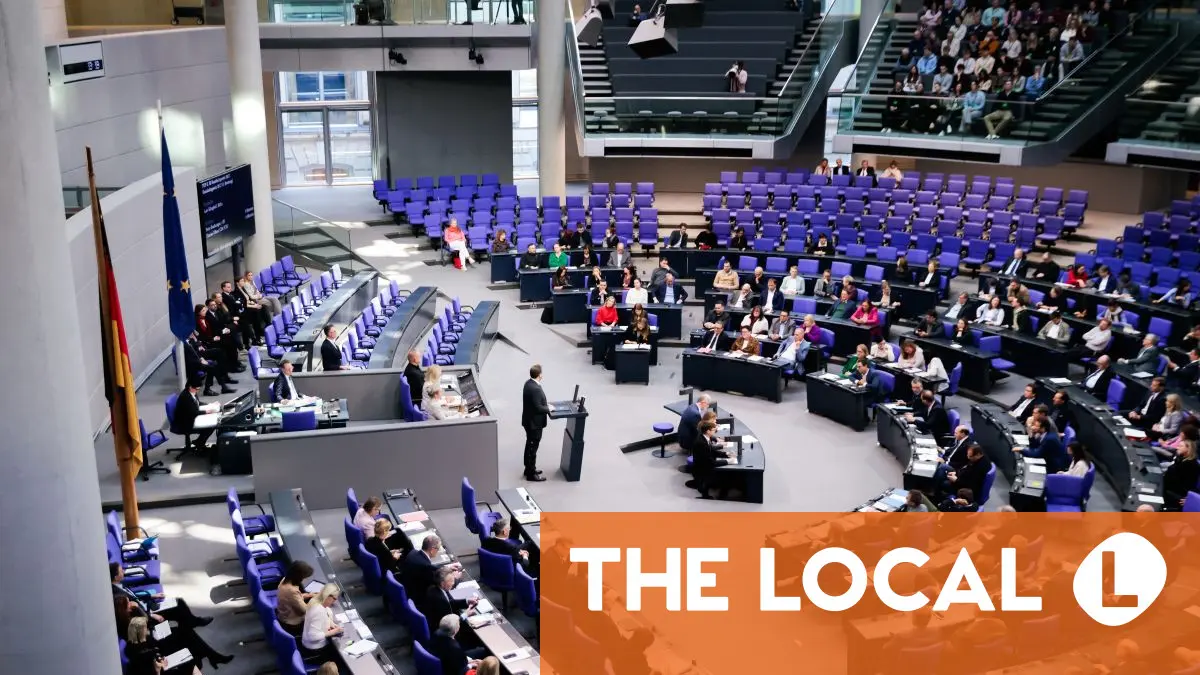
The Bundestag passed Germany’s 2027 federal budget on Friday, which provides for record spending of €556 billion from the core budget, plus funds from special accounts.
Getting the budget this far has been a bruising process. The opposition called it “chaotic”, the far-right Alternative for Germany (AfD) accused the coalition of “indecent tricks”. Even Chancellor Friedrich Merz admitted that the process to agree on the budget “certainly doesn’t deserve a beauty prize”.
The end result, however, is a bit of a mixed bag with some new consumer taxes set to drive up prices, while a cut to electricity taxes will save households in Germany at least a modest sum.
Here’s a look at the parts of Germany’s 2027 budget that will directly affect everyone who lives in the country, separated into the measures will which kick in from the start of the new year, those which have been delayed, and those which are still not certain.
The Bundestag gave its official approval on Friday afternoon with 317 ‘yes’ votes to 260 against. The budget still needs approval from the Bundesrat, and a signature from the federal president, before it takes effect on January 1st.
Coming in January
Cheaper electricity: After a long coalition row, the electricity tax is set to fall for all households and businesses in Germany from 2.05 to 0.1 cent per kilowatt-hour, the EU minimum.
Verivox estimates a family using 4,000 kWh a year would save about €7.75 a month, and a single person using 1,500 kWh about €3. Those figures assume suppliers pass the saving on in full.
The catch is that it is funded for 2027 only. The roughly €5 billion cost is to come from expected surpluses in the renewable-energy account, which depend on electricity prices staying high.
If they fall short, the coalition has promised “a package of measures”, reportedly possibly including subsidy cuts or higher taxes elsewhere. Nobody has yet said how a permanent cut would be paid for.
READ ALSO: Electricity tax cut for all German households back in place for 2027
Higher taxes on spirits, mixed drinks and tobacco: Taxes on spirits such as rum and vodka rise by 20 percent from January, via an accompanying bill.
Beer and wine are not affected, and a planned rise on sparkling wine was rejected.
An alcopop tax is extended to ready-mixed drinks of up to 15 percent alcohol (previously 10 percent) at a slightly lower rate, though the food industry expects cans to cost about €1 more.
A multi-year tobacco tax rise had already passed the Bundestag in October, with increases in annual steps from January 2027 to 2030.
Delayed or dropped
Sugar tax: A tax on sugary drinks has been delayed from mid-2027 to early January 2028. It will apply to drinks with at least 5 grams of sugar per 100ml, at 25 cents a litre (5–7 grams), 30 cents (7–9 grams) and 35 cents (over 9 grams). Sodas, iced teas, energy drinks and sweetened juice drinks are covered; pure juices and “zero” drinks are not.
Plastic packaging levy: Dropped for 2027, so takeaway cups and similar items escape new charges next year.
READ ALSO: Germany postpones sugar tax and scraps electricity tax cut ahead of budget talks
Still to be resolved
Income tax reform: This is a separate bill which is meant to put more money in the pockets of low and middle earners, and the centre-left SPD wants it to show up on the first paycheck of the new year.
Their coalition partners in the Union (CDU/CSU) have tied it to labour-market reform, including plans for fixed-term contracts of up to 48 months. In theory, both measures could still be pushed through by December 18th.
Measures in the draft include:
- a basic allowance of €12,564, up €216
- an employee allowance rising from €1,230 to €1,430
- child benefit rising from €259 to €267 a month
- a new 47 percent rate on taxable income from €280,000
- cuts to the tax deduction for tradespeople’s services and a higher flat tax rate for mini-jobs.
These figures come from the government draft and are all still subject to change.
Pensions: The struggle over pension reform is still unresolved. Labour Minister Alexander Schweitzer (SPD) said on Friday he was confident of a solution, insisting that “the common ground is greater than the differences”.
But the coalition is split over an expert commission’s proposal to end penalty-free early retirement for long-term contributors, which the SPD and several CDU state premiers oppose.
A Union compromise tying “retirement at 63” to income has already been rejected by the SPD. Conservative parliamentary leader Thorsten Frei wants cabinet approval before the end of the year, warning that a “window of opportunity” could close.
READ ALSO: German government reaches agreement on record €560.9 billion budget
Fuel price cap: The fuel discount ends in December. The coalition wants a price cap “activated” from January 1st for three months, but the conditions remain unclear. The cabinet is due to adopt the draft bill and ordinance on December 2nd.
Cold progression: Compensation for tax creep caused by inflation was left out of the coalition deal. The Union has suggested it could be approved retroactively next year “if the money is available”.
U-turns on welfare cuts
Planned cuts to housing benefit (Wohngeld) were scrapped, but payments are frozen for 2027. The regular adjustment for rents and inflation due on January 1st has been suspended.
The €25 monthly child supplement (Kindersofortzuschlag) was kept for low-income families receiving Grundsicherung, Kinderzuschlag or social assistance.
The coalition has agreed to exclude children in families claiming under the Asylum Seekers Benefits Act. The exact start date depends on the accompanying legislation.
Plans to cut parental allowance (Elterngeld) and state-advanced child support (Unterhaltsvorschuss) were also reversed. But the Wohngeld and child-supplement cuts “could come back onto the table in 2028”, according to the German Press Agency.
Disclaimer : This story is auto aggregated by a computer programme and has not been created or edited by DOWNTHENEWS. Publisher: thelocal.de