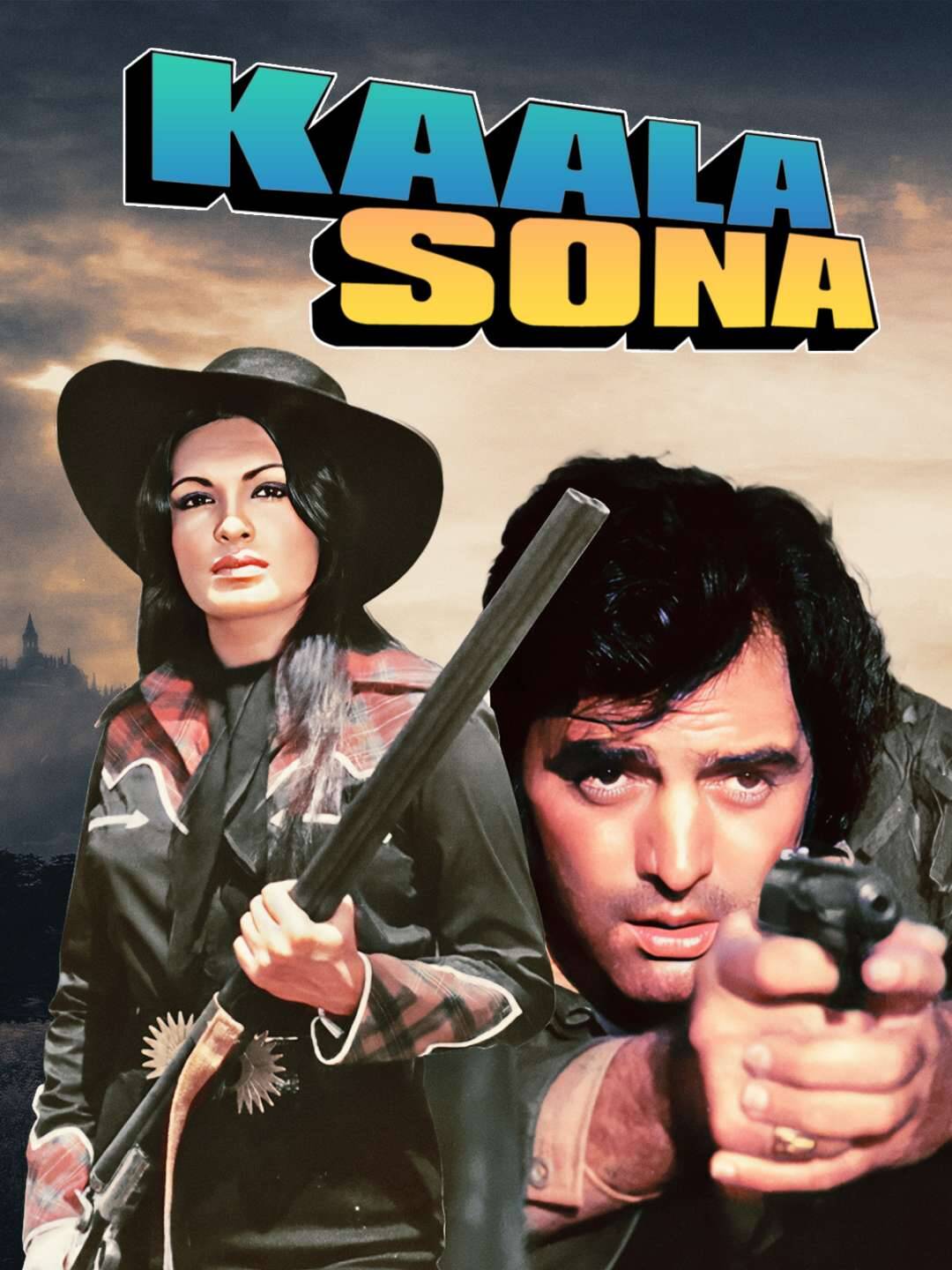
Filmfare’s Editor-In-Chief Jitesh Pillaai pens a heartfelt tribute to producer-director Harish Shah and his memoir Tryst With Films, a nostalgic journey through Bollywood’s golden era, its friendships, memories and lost innocence. A story of a man who never stopped dreaming, even when life had other plans.
Read on…
Does the name Harish Shah ring a bell? Obviously not. Somewhere in the archives of your memory, however, the titles of films like Mere Jeevan Saathi, Kaala Sona, Dhan Daulat, Hotel, Ram Tere Kitne Naam, Zalzala and Ab Insaaf Hoga might just ring a bell.
Sharmila Tagore, his first heroine, has written the foreword to his book. She couldn’t do his second film, Mere Jeevan Saathi, and recommended Tanuja for the role as she was planning to have baby Saif. It isn’t a particularly well-written book or anything. But the warmth, wisdom and memories it contains will touch you. Shah recalls how, as a young, star-struck boy from the small town of Amravati, he first met Dilip Kumar on the sets of Kohinoor. Years later, Shah tried to cast the thespian Kalinga, a film that never got made.
The book is full of insights and nuggets from a world we will never see again. Shah was once part of Rajesh Khanna’s entourage, yet had no qualms about telling the superstar exactly how things stood. Khanna never forgave him for making films with other heroes and, in a particularly churlish gesture, refused to turn up to sound the clapperboard at the mahurat of Kaala Sona.
The anecdotes are warm, often tinged with regret. Shah wonders whether, instead of chasing big dreams and unpaid dues, it might have been easier to pursue smaller joys. The 1970s were an evocative time of lavish launches, parties and friendships that were not necessarily transactional.
Shah also talks about his less-than-pleasant experiences with the Deols: Dharmendra during Zalzala and Sunny Deol during Jaal. He burnt his fingers with television productions, too. His brother Vinod, his partner in crime, bailed him out on several occasions. Shah lived in fancy flats, thanks to the generosity of his extended family in the US.
When Shah was diagnosed with throat cancer, it was heartening to see his friends and, of course, his family rally around him. It is tempting to dismiss his story as one of hard luck: a producer who lost everything despite having so much going for him.
The saddest stories, however, are about death and loss. There is the death of his estranged friend Rajesh Khanna, who had phoned him, but Shah couldn’t answer the call because he was suffering from throat cancer. Khanna, meanwhile, didn’t know how to send an SMS. There are his memories of Sanjeev Kumar, of working with him on Ram Tere Kitne Naam and doing shows abroad together. Then there is the easy, companionable banter of playing Scrabble with Rishi Kapoor. And the kindness of Rekha, who arrived on the first day of shooting with two bags of clothes and asked Shah to use them all for his film, saving him the expense of buying costumes.
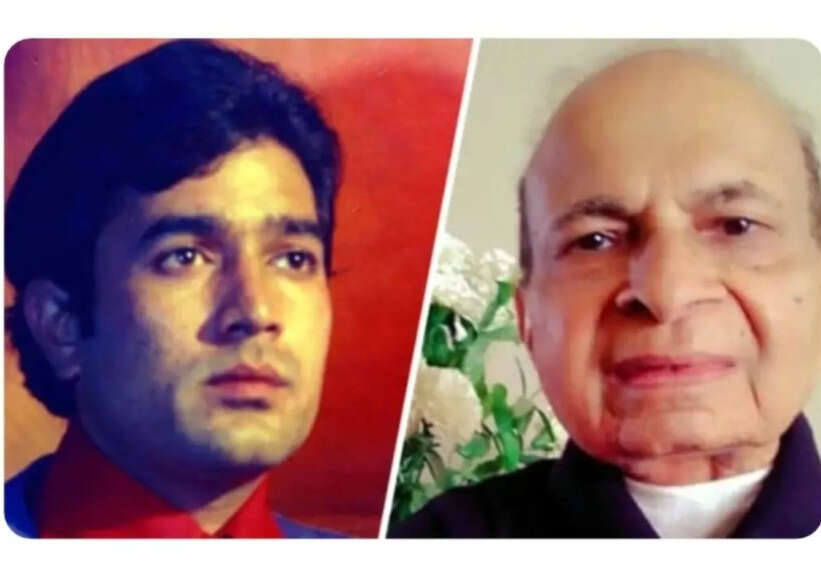
There is Shah’s last visit to Dimple after Khanna’s death, and his keeping vigil over Sanjeev Kumar’s embalmed body until the actor’s sister arrived from America. Another poignant passage recalls how Shah wanted RD Burman to compose the music for Ab Insaaf Hoga, but Tips, the company calling the shots, wouldn’t hear of it. Anand-Milind eventually stepped in. Shah recounts these episodes with a mixture of bemusement and irony.
Without much ado or showmanship, Shah recreates a world of the 1970s where stars huddled together in rooms, lived like extended families, ate meals together and were often willing to forgo their remuneration, all in the name of love and friendship. It is a world that people of a certain vintage will recall fondly, but one that is alien to those who now travel with entourages, vanity vans and contracts. The chapter on Salman Khan and Salim Khan is equally moving, particularly the account of film promises that never materialised despite everyone’s best intentions.
Tryst With Films was one of the many books I spotted in the mail and chose to read. I feel richer, yet more melancholic, having read about a maverick who chose to dream and perhaps died penniless. But never once did he stop living or dreaming big.
The memoir left me immeasurably sad. Not because the cards life dealt Shah were particularly unfair. It is because he chose to believe in goodness and goodwill, values that seem to have long since run out their shelf life.
Also Read: AR Rahman Reveals Rockstar Producer Withheld His Payment for Eight Months
Disclaimer : This story is auto aggregated by a computer programme and has not been created or edited by DOWNTHENEWS. Publisher: filmfare.com