Germany’s ‘word of the year’ is all about the brave new world we’re living in – and it’s arguably the most cheerful term to make it into top ten for 2025. So how accurately do this year’s chosen words capture the mood in the country.
Every year since 1977, the Society for the German Language (GfdS), a politically independent association dedicated to the cultivation and research of the German language, has selected a “Word of the Year.”
The jury, made up of linguists and media experts, sifts through thousands of suggestions from the media and public, choosing ten words that best reflect the political, economic and social debates of the year.
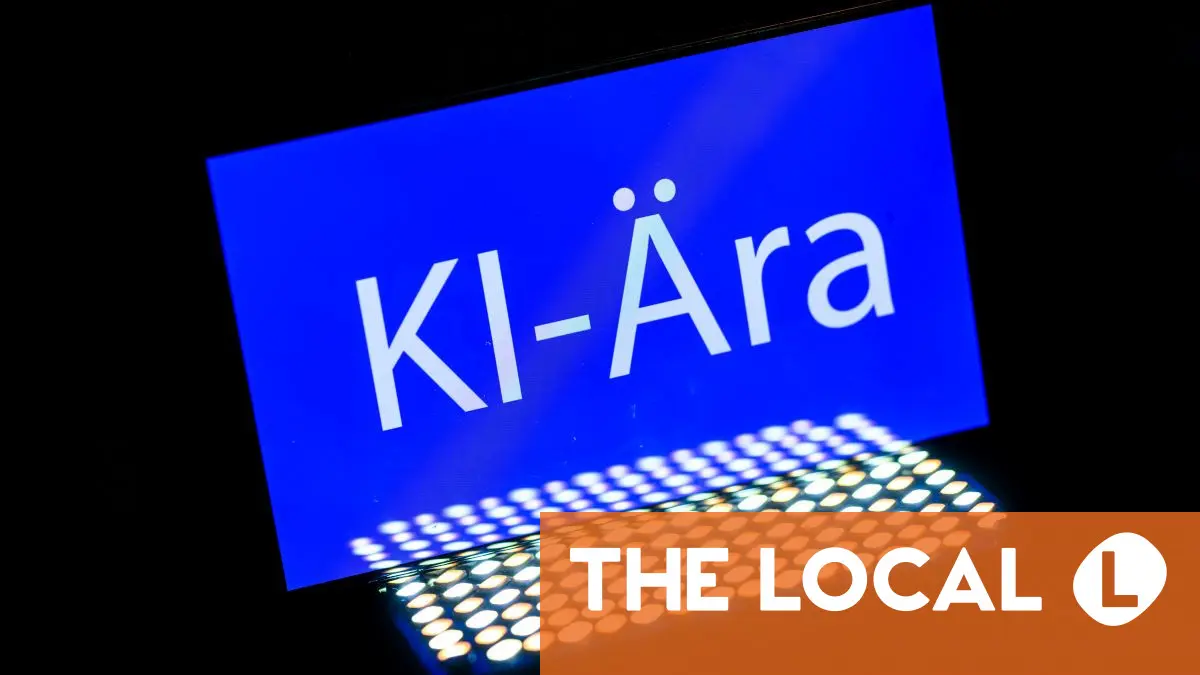
Recently, the society revealed that KI-Ära (“AI Era”) has been chosen as Germany’s Word of the Year for 2025, while the rest of the terms in the top ten cover topics from economic decline to climate fatigue and the ‘TikTokification’ of public debate.
The GfdS’s top ten words for 2025 may not make for cheerful reading, but they offer a fascinating snapshot of a country – and a world – in flux.
KI-Ära (AI era): The impact of AI is being felt everywhere in 2025 – from job cuts to new creative tools – and the debate about its benefits and dangers is only getting louder.
As the Society for the German Language noted when it revealed this year’s winner, “the beginning of a new era is unmistakable – with many opportunities, but also with risks of abuse and a loss of independent, critical thinking, speaking and writing.”
READ ALSO: EXPLAINED – How German schools are including more and more AI
Deal: If any individual can rival Artificial Intelligence in terms of impact this year, then it’s Donald Trump. Arguably, the American president can claim to have had a hand in popularising at least half of the words on this year’s list, but none more so than “deal”.
The word has become a fixture in German political language, according to the jury, often replacing words like “compromise” or “agreement.”
The society also noted its associations with informality and even criminality. The rise of “deal” in German seems to reflect an increasingly widespread acceptance that self-interest trumps principle.
READ ALSO: Eight German words I now use in English
Land gegen Frieden (Land in exchange for peace): The ongoing war in Ukraine and the search for solutions – however imperfect – have dominated headlines.
This phrase refers to the controversial idea that Ukraine should cede territory to Russia in exchange for peace, capturing the nature and scale of the moral and political dilemmas currently facing Europe.
While widely discussed, most experts and politicians still see a “land for peace” deal as unrealistic and even dangerous. As the jury pointed out, territorial concessions rarely guarantee lasting peace.
Sondervermögen (Special fund): This year, the German government approved a €500 billion “special fund” for infrastructure and climate protection.
The jury noted that while some see this as an investment booster, others criticise it as a “debt booster,” highlighting the polarised debate over public spending.
READ ALSO: Germany has ditched the debt brake, but what will the consequences be?
Wehrdienst-Lotto (Military service lottery): As Germany debates the reintroduction of compulsory military service, the idea of a lottery to select conscripts has emerged.
If the number of volunteers for the German Armed Forces is insufficient, a random selection of conscripts could be introduced in future to decide who is required to perform military service.
The jury included this term to reflect the uncertainty and controversy surrounding national defence.
READ ALSO: German parliament passes military service law as school students protest
Drohnisierung (Dronification): Drones have become a symbol of modern conflict – remote, relentless and hard to control.
The word also captures their growing use in warfare, especially in Ukraine, and the increasing concern about drone sightings over sensitive sites in Western Europe.
Strafzölle (Punitive tariffs): Punitive tariffs, especially those championed by President Trump, have shaped trade relations between the US and EU.
The jury noted that the threat of a trade war has forced Europe – and Germany – into a number of difficult compromises.
Wohlstandsverlust (Loss of prosperity): With the German economy in apparent decline, fears about falling living standards have become widespread. The jury chose this word to reflect the growing anxiety about the future.
READ ALSO: Can the German states afford to approve planned tax relief?
Klimamüde (Climate Fatigue): This year’s jury noted a waning public interest in climate protection, as other worries take precedence.
The term Klimamüde was chosen to reflect a shift in priorities and a sense of exhaustion with the climate debate. As crises multiply, suggested the jury, climate action slips down the agenda – even as the need for it grows increasingly urgent.
Vertiktokung (TikTokification): The rise of TikTok as a source of news and opinion, especially among young people, has prompted the creation of this new word.
The fact that younger people in particular are increasingly obtaining information and opinions from social media is a phenomenon to which politicians, schools and universities still have to adapt, noted the jury.
READ ALSO: Haftbefehl and Labubu – What millions of google searches reveal about Germany
How is the word of the year chosen?
As part of a yearly tradition that started in 1971, the GfdS selects a German word of the year each December.
From thousands of submissions, the language society selects ten finalist words, which are then voted on by a jury of association members, linguists and media experts.
The aim isn’t to pick the most frequently used terms, but those that encapsulate the mood, conflicts and public discussions of the past twelve months.
Disclaimer : This story is auto aggregated by a computer programme and has not been created or edited by DOWNTHENEWS. Publisher: thelocal.de