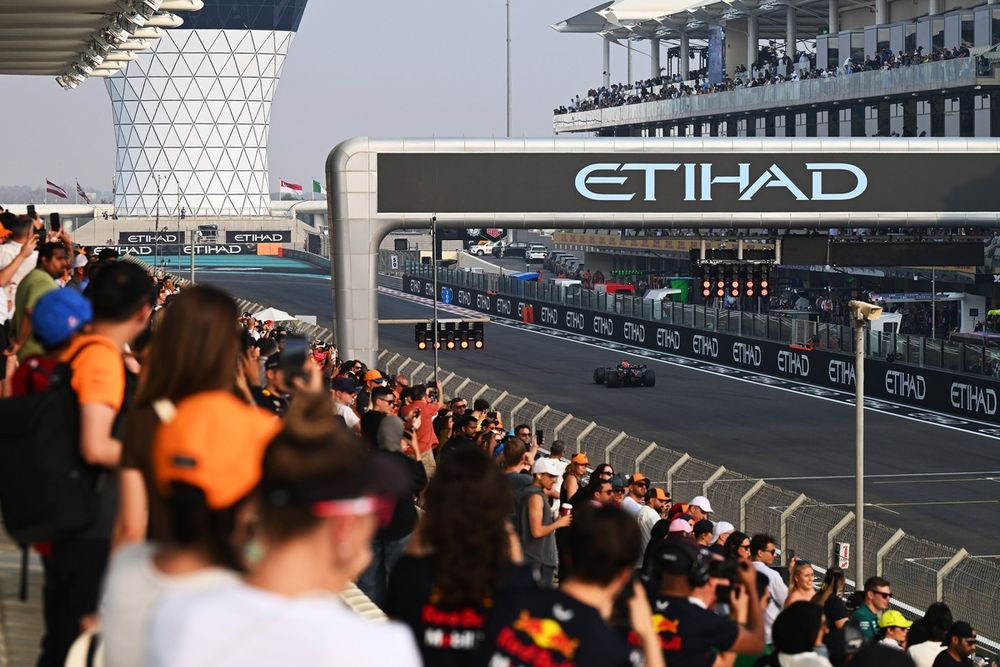
It was known, in the Yas Marina paddock, that the Abu Dhabi Grand Prix could be Helmut Marko’s final Formula 1 race as Red Bull’s motorsport advisor.
A final decision was made on Monday in Abu Dhabi, as Marko met with Red Bull’s senior management, including Oliver Mintzlaff. The official announcement followed on Tuesday, bringing an end to an era that lasted more than 20 years.
According to Red Bull’s official explanation, Marko is retiring – something entirely normal at the age of 82 – and Mintzlaff expressed his regret in the press release. In reality, however, several factors contributed to this decision.
To start with, Red Bull’s Austrian parent company is taking more control over its F1 operations, a shift that began during the internal power struggles surrounding Christian Horner. The goal is to bring stability to both Red Bull teams and streamline the organisation. This trend is visible elsewhere too: Red Bull has appointed a new head of PR, transferred from the Austrian headquarters, replacing Paul Smith, who had to leave simultaneously with Horner.
The mandate over driver decisions and PR sensitivities
Recent events seem to have added to the situation, some of them related to driver decisions. As head of Red Bull’s junior programme, Marko has always held a crucial – often decisive – voice in such matters. This was again evident in the recent cases of Arvid Lindblad and Alex Dunne. Pushing for Lindblad’s F1 promotion raised fewer concerns, being a Red Bull product – even though some noise surfaced about the process and communication – but Dunne’s case seemed a bit more problematic.
The Irishman terminated his deal with McLaren after deciding he wasn’t convinced by his long-term prospects in Woking and felt he lacked a clear path toward an F1 seat. Marko was quick to tell media, including Motorsport, that Dunne would be a good fit for Red Bull, and backed that up with plans to sign him. Red Bull management, however, was reportedly unaware and also far less convinced than Marko was.
This entire episode is understandable: Marko had, for years, a powerful mandate when it came to driver matters. It is natural he continued operating that way, especially given the success it brought, but the organisation around him has changed. In that light, Marko’s remark on Sunday night that he needed to “feel comfortable” to continue was telling. In that new reality, mutual alignment no longer seemed as perfect as before, making a moment like this to some extent inevitable.
Besides that, Marko has also always been known as someone who speaks his mind. In a Formula 1 world increasingly controlled by PR, he remained a more than welcome exception – a man of the old guard, much like the late Niki Lauda. Marko was always approachable in the paddock and never sugarcoated his words. Unlike the team’s other leaders, he was never accompanied by a PR person, meaning Red Bull often only found out about what he’d said once it had already been published.
This was refreshing for the media and at least some F1 fans, but not everyone within Red Bull appreciated it. A recent example came up in Qatar, where Marko suggested that Andrea Kimi Antonelli “waved past” Lando Norris. Max Verstappen stressed in Abu Dhabi that, regardless of what Marko said, there was no excuse to abuse someone online; still, Red Bull felt the need to issue an official apology. As the organisation seeks greater consistency, PR alignment makes sense.
What does this mean for Max Verstappen’s future?
Max Verstappen, Red Bull Racing, Helmut Marko, Red Bull Racing
Photo by: Mark Thompson / Getty Images
The obvious question is how all this affects Verstappen’s future at Red Bull. Marko accelerated the Dutchman’s path into Formula 1 and has therefore played a crucial role in his career. While Toto Wolff and Mercedes initially proposed a year in GP2 for 2015, Marko pushed through and gave Verstappen an immediate Toro Rosso seat.
Loyalty has long been mutual since then. Verstappen has repeatedly defended Marko publicly, most notably during the 2024 Saudi Arabian Grand Prix, when Marko’s position was threatened during the power struggles with Horner. “If Helmut has to go, then I will leave as well,” he said.
This may suggest that Marko’s departure could impact Verstappen’s future directly, but insiders emphasise that reality is a bit more nuanced. Both the Austrian and Thai part-owners have recently reaffirmed their full commitment to Verstappen – unsurprising given his immense sporting value to the brand.
Verstappen said on Sunday that he was happy with the atmosphere within the team. He even added that he felt better in Abu Dhabi this year than he did 12 months ago, despite having been world champion back then and missing out now. He sensed things were going wrong within Red Bull at the end of 2024, so stability led by Laurent Mekies and Mintzlaff is something the organisation wants to prioritise – although whether that will eventually be successful is unknown.
For Verstappen, everything still hinges on two factors: on-track performance in 2026, and how he feels about F1’s new regulations. If the team’s performance falls short, he will look elsewhere. And if he dislikes the new era entirely, he has repeated in recent weeks that he could even walk away from Formula 1 altogether.
Everything depends on the sporting picture, as manager Raymond Vermeulen recently underlined. He has described 2026 as an important year for Verstappen’s long-term future. It’s relevant that the much-discussed “Marko clause” was neutralised from Red Bull’s perspective last year through a side letter. Like in any F1 contract, performance clauses remain – meaning all depends on Red Bull’s competitiveness under the new rule set, including its in-house power unit in collaboration with Ford.
It remains unclear how Red Bull plans to restructure the organisation without Marko and who will take over the young driver programme. It is possible that more responsibilities will be redistributed over the winter, as the team seeks a sustainable leadership model for the long term.
For now, Marko leaves behind an impressive legacy: eight drivers’ titles, six constructors’ titles, and 130 race victories during his Red Bull tenure – with Sebastian Vettel and Verstappen as the brightest products of the Red Bull talent pool.
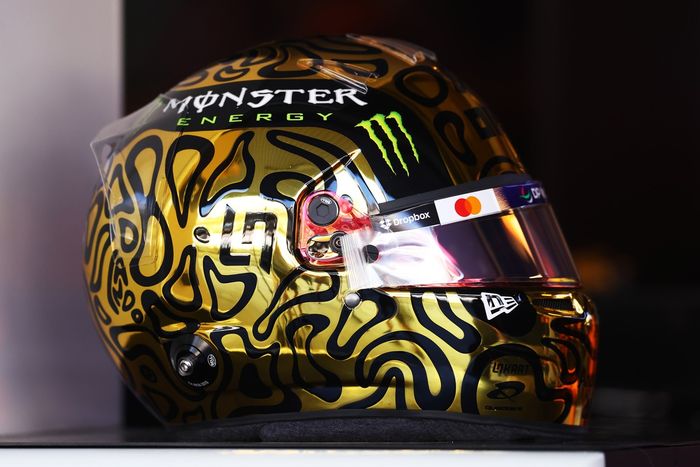
Photos from Abu Dhabi Post-Season Testing

Abu Dhabi Post-Season Testing, in photos
Abu Dhabi Post-Season Testing, in photos

Abu Dhabi Post-Season Testing, in photos

Abu Dhabi Post-Season Testing, in photos
Abu Dhabi Post-Season Testing, in photos

Abu Dhabi Post-Season Testing, in photos
Abu Dhabi Post-Season Testing, in photos

Abu Dhabi Post-Season Testing, in photos

Abu Dhabi Post-Season Testing, in photos
Abu Dhabi Post-Season Testing, in photos

Abu Dhabi Post-Season Testing, in photos
Abu Dhabi Post-Season Testing, in photos

Abu Dhabi Post-Season Testing, in photos

Abu Dhabi Post-Season Testing, in photos
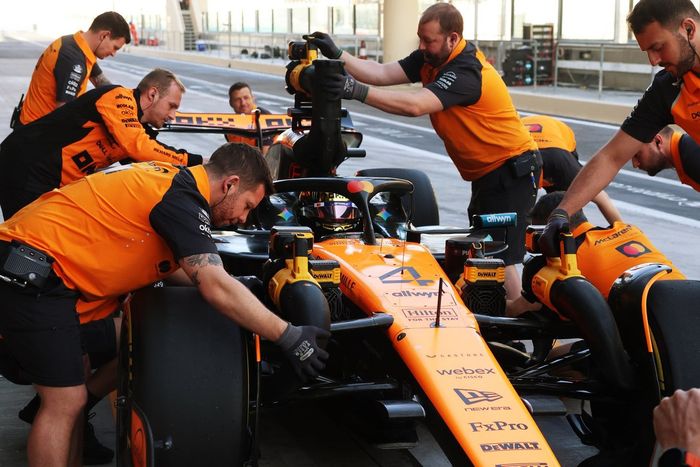
Abu Dhabi Post-Season Testing, in photos
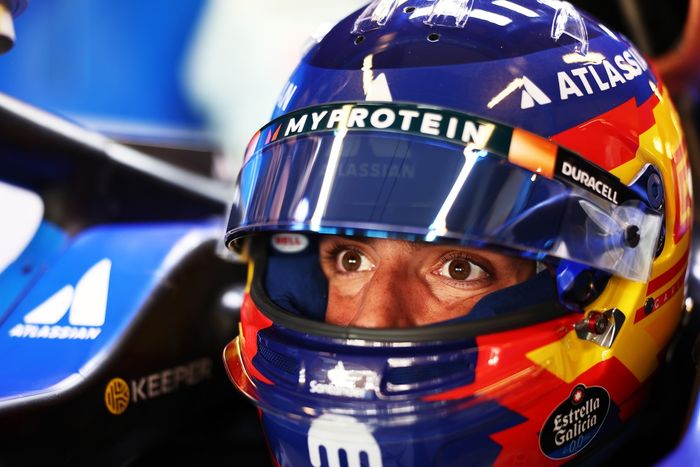
Abu Dhabi Post-Season Testing, in photos

Abu Dhabi Post-Season Testing, in photos

Abu Dhabi Post-Season Testing, in photos

Abu Dhabi Post-Season Testing, in photos

Abu Dhabi Post-Season Testing, in photos

Abu Dhabi Post-Season Testing, in photos

Abu Dhabi Post-Season Testing, in photos

Abu Dhabi Post-Season Testing, in photos

Abu Dhabi Post-Season Testing, in photos

Abu Dhabi Post-Season Testing, in photos

Abu Dhabi Post-Season Testing, in photos

Abu Dhabi Post-Season Testing, in photos
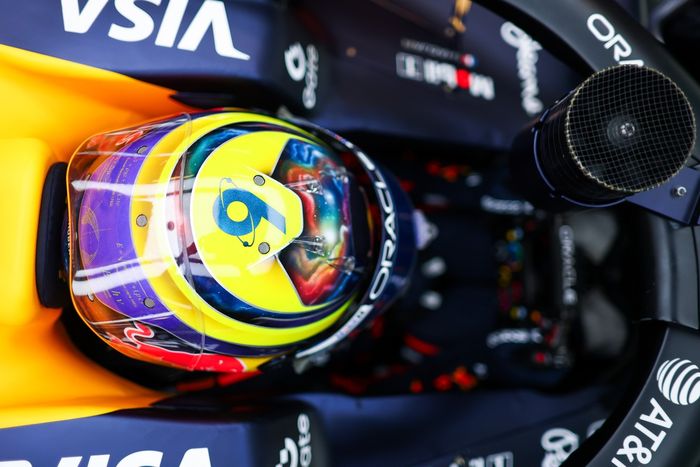
Abu Dhabi Post-Season Testing, in photos

Abu Dhabi Post-Season Testing, in photos
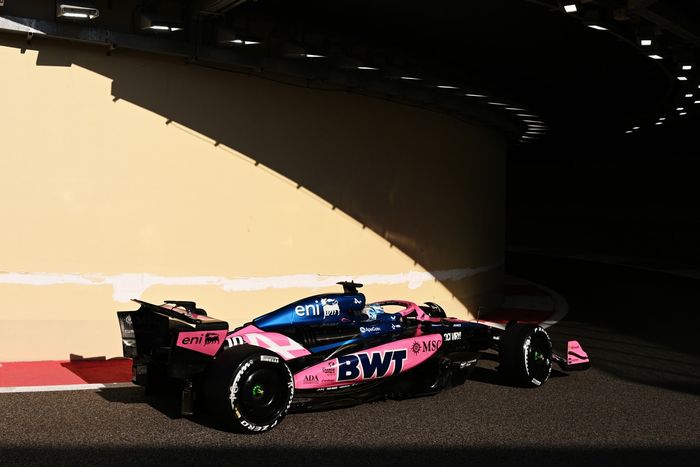
Abu Dhabi Post-Season Testing, in photos

Abu Dhabi Post-Season Testing, in photos

Abu Dhabi Post-Season Testing, in photos
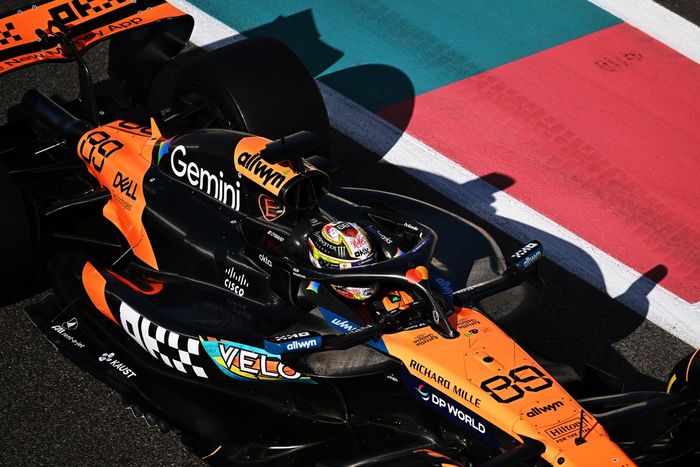
Abu Dhabi Post-Season Testing, in photos

Abu Dhabi Post-Season Testing, in photos

Abu Dhabi Post-Season Testing, in photos

Abu Dhabi Post-Season Testing, in photos
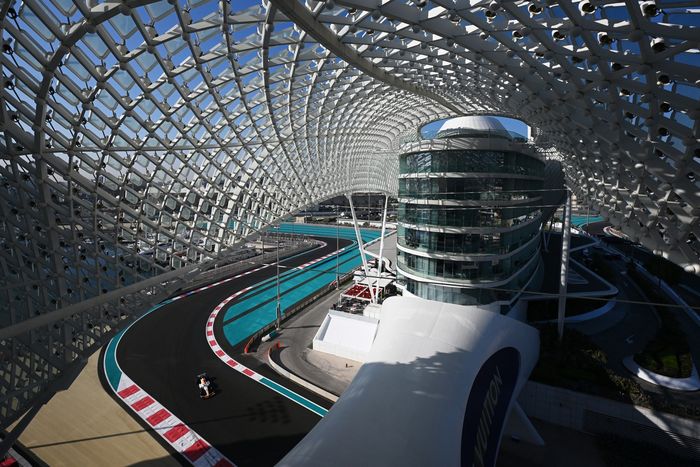
Abu Dhabi Post-Season Testing, in photos

Abu Dhabi Post-Season Testing, in photos

Abu Dhabi Post-Season Testing, in photos
Abu Dhabi Post-Season Testing, in photos
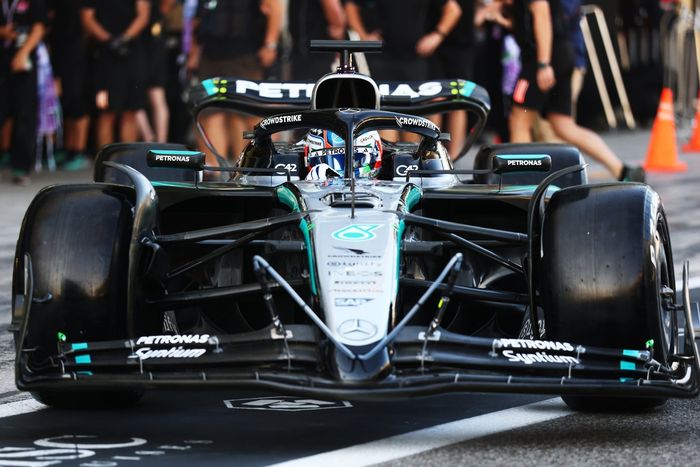
Abu Dhabi Post-Season Testing, in photos

Abu Dhabi Post-Season Testing, in photos

Abu Dhabi Post-Season Testing, in photos
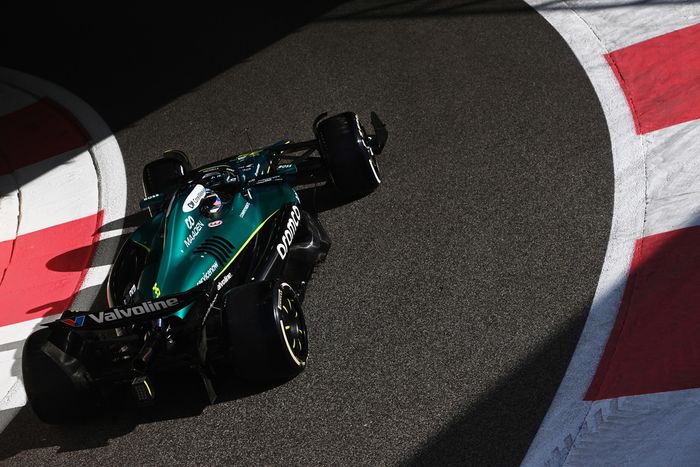
Abu Dhabi Post-Season Testing, in photos

Abu Dhabi Post-Season Testing, in photos
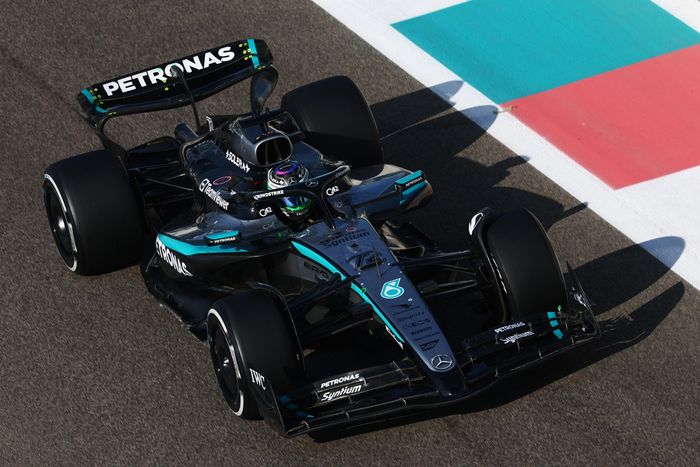
Abu Dhabi Post-Season Testing, in photos

Abu Dhabi Post-Season Testing, in photos

Abu Dhabi Post-Season Testing, in photos

Abu Dhabi Post-Season Testing, in photos
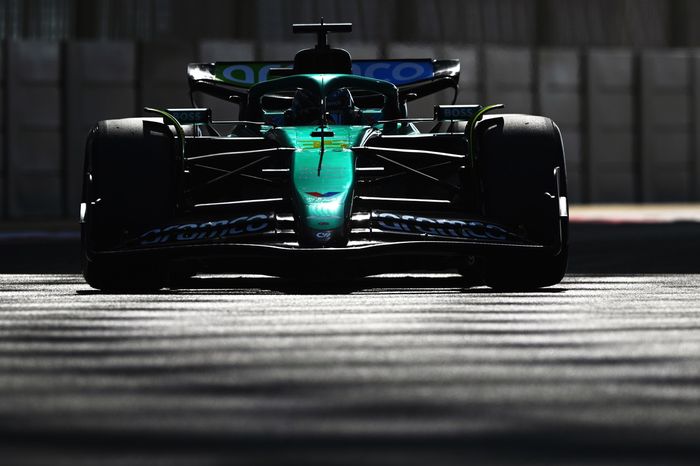
Abu Dhabi Post-Season Testing, in photos
Abu Dhabi Post-Season Testing, in photos

Abu Dhabi Post-Season Testing, in photos

Abu Dhabi Post-Season Testing, in photos

Abu Dhabi Post-Season Testing, in photos

Abu Dhabi Post-Season Testing, in photos

Abu Dhabi Post-Season Testing, in photos

Abu Dhabi Post-Season Testing, in photos
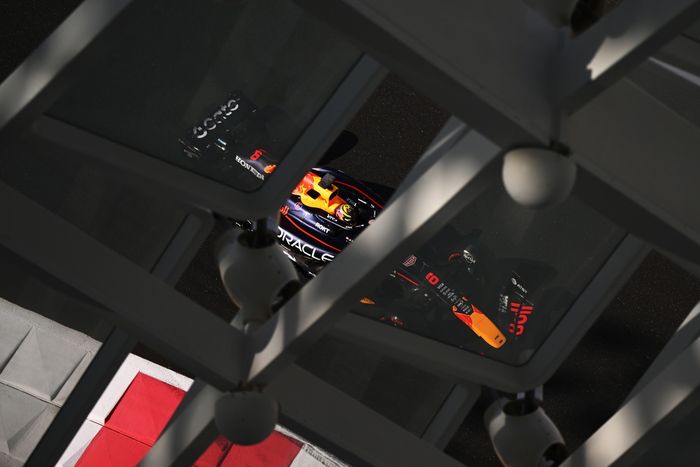
Abu Dhabi Post-Season Testing, in photos

Abu Dhabi Post-Season Testing, in photos
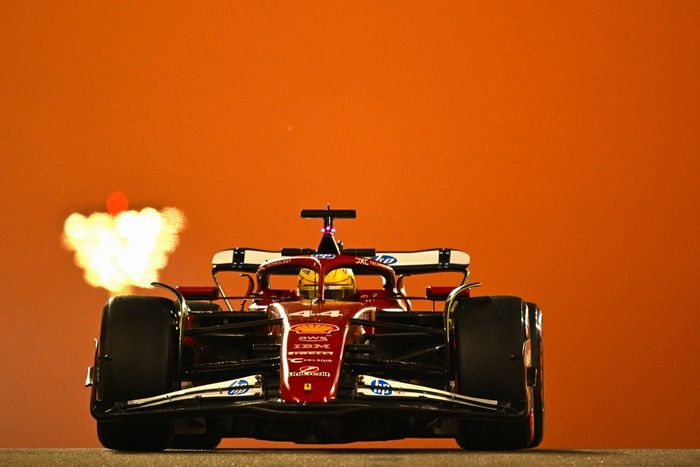
Abu Dhabi Post-Season Testing, in photos

Abu Dhabi Post-Season Testing, in photos
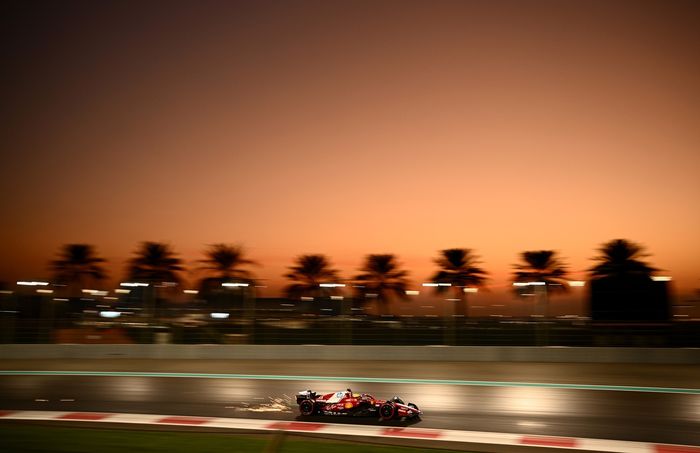
Abu Dhabi Post-Season Testing, in photos
Abu Dhabi Post-Season Testing, in photos
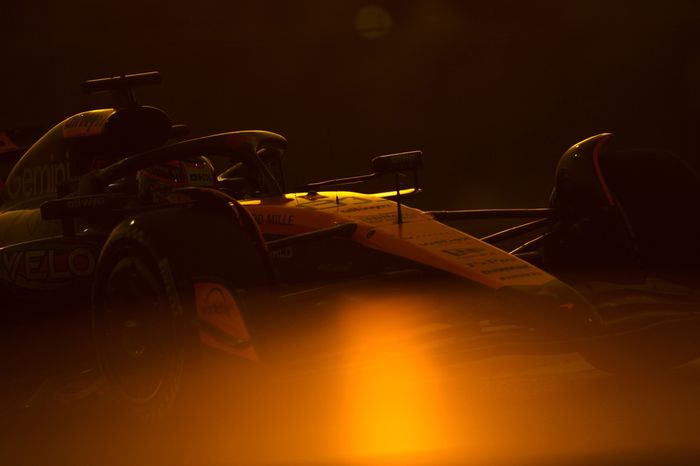
Abu Dhabi Post-Season Testing, in photos
Formula 1
64
We want your opinion!
What would you like to see on Motorsport.com?
– The Motorsport.com Team
Disclaimer : This story is auto aggregated by a computer programme and has not been created or edited by DOWNTHENEWS. Publisher: motorsport.com