With the Awami League banned and its leaders jailed or exiled, Bangladesh’s February 12 polls face serious questions over inclusivity, fairness and credibility.
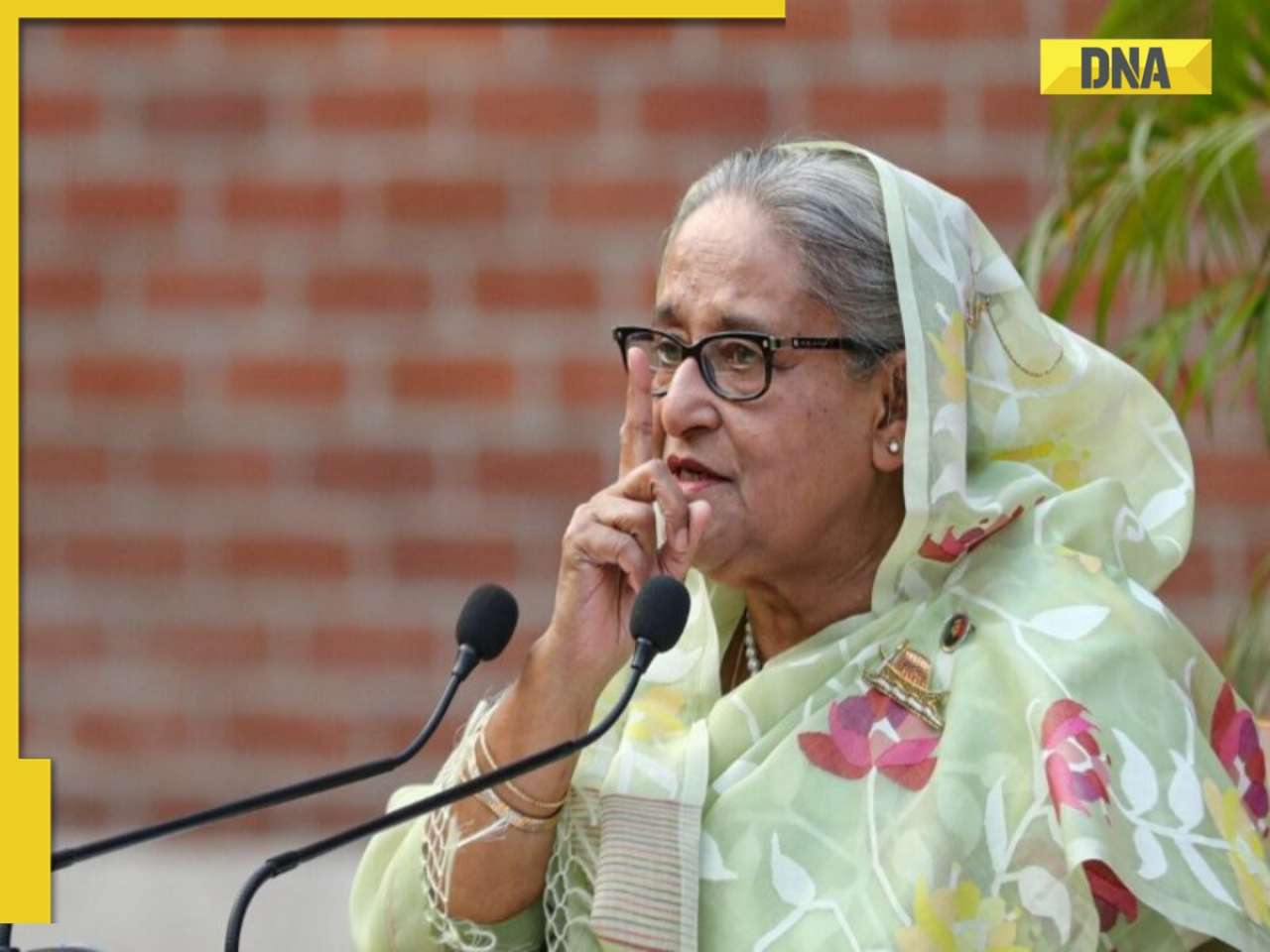
Sheikh Hasina, Ex-Prime Minister, Bangladesh. (File Image)
Can a general election be called inclusive if the biggest party of the country is banned? How can an election be free and fair if the important leaders of the biggest political party are either in exile, fearing political persecution and vendetta, or under arrest or facing arrest if they come out of hiding? The chief advisor to the interim government must answer these questions as Bangladesh goes to the polls on February 12, 2026. A referendum on the July charter for reforms will also be held along with the parliamentary polls. It will be the first election to be held since the elected government was thrown out in a nationwide protest last year. Prime Minister Sheikh Hasina was forced to flee the country on August 5, 2024, when thousands of people stormed her official residence, vandalized it and looted whatever they could. Hasina is living in exile in India. She has been convicted of crimes against humanity in a trial that has been questioned, and a request for her extradition has been made.
Bangladesh Elections 2026
An electorate of more than 13 crore people will elect 300 members of the single-camera Bangladesh Parliament, Jaitya Sansad, and these members will select 50 women on the system of proportionate representation. In an election with its credibility under doubt, the Awami League won 224 seats while independent candidates won 62. However, most of them were allegedly propped up by the Awami League to give a semblance of competition. All important political parties, including the Bangladesh Nationalist Party, boycotted the polls.
Awami League banned, Sheikh Hasina in exile
The tables have been turned with a worse scenario. The Awami League is banned, its chief is in India, which has been requested to extradite her, and all important leaders have fled the country; some of them are hiding. Their offices and establishments were attacked, vandalized, looted, and set on fire; the cadres of the party were attacked, maimed, raped, and killed by the Islamist forces after Hasina had fled Bangladesh. Awami League supporters and sympathizers, including those from the minority Hindu community, have been threatened with dire consequences if they step out. The February 12 general elections will be held under these circumstances.
Bangladesh political crisis
Awami League has rejected the election schedule, called the interim government and Election Commission “illegal,” and said that a free and fair election cannot be held under these conditions. It has demanded to set up a neutral caretaker government and withdraw all cases against its leaders. These are the long-standing demands in Bangladeshi politics. The BNP made the same demands and boycotted the polls in 2014, 2019, and 2024. The then ruling party of the Awami League turned down the demand of a caretaker government, calling it unconstitutional. Now, this party has made this demand; the BNP is contesting the polls without it.
Muhammad Yunus-led interim government
Chief Adviser Muhammad Yunus, other senior government officials, and the Election Commission have claimed that the polls will be peaceful, free, and fair. The EC has urged political parties to help ensure a fair and inclusive environment. But the Awami League remains barred, its leaders languishing in jails, exiled, or in hiding. If the poll are held under these conditions, the election cannot be broadly seen as inclusive and representative of the full political spectrum.
Disclaimer : This story is auto aggregated by a computer programme and has not been created or edited by DOWNTHENEWS. Publisher: dnaindia.com