
Under this scheme, labourers will get 25 more days of work than before.

Published: December 19, 2025 6:09 PM IST
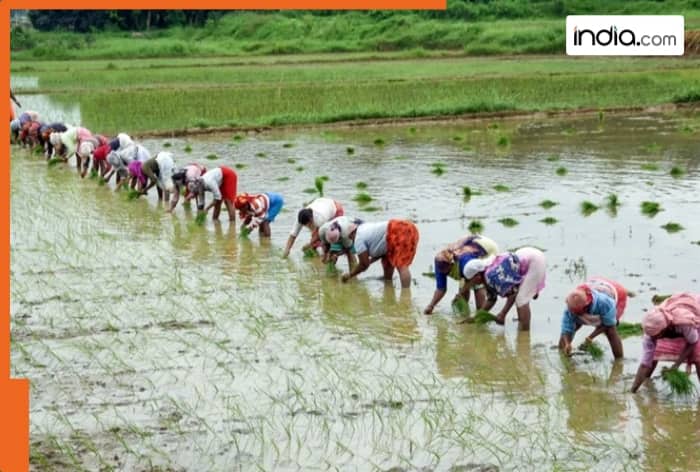
New Delhi: The Developed India Guarantee for Employment and Livelihood Mission Bill, ‘G Ram Ji’, was passed in the Lok Sabha on December 18, 2025, amidst considerable uproar. This bill will repeal and replace the Mahatma Gandhi National Rural Employment Guarantee Act (MGNREGA), 2005. The new bill claims to strengthen rural employment and livelihoods in line with the national vision of Developed India 2047. The changes are made keeping in mind the welfare of the workers. With this, there are also expectations that it will help the underprivileged improve their lives, along with providing them with economic benefits.
How Will The Country’s Economy Benefit?
The government’s objective behind replacing MGNREGA with the ‘G Ram Ji’ scheme is quite clear. Under this scheme, labourers will get 25 more days of work than before. MGNREGA provided 100 days of work, and this new scheme will guarantee 125 days of employment. More days of work will provide them with a regular income, and the rural economy will gain momentum. Increased employment opportunities will also reduce migration to cities, as people will be able to find employment in their own villages. This bill is not limited to just wages; it will also have far-reaching consequences. It will lead to the creation of permanent assets in villages and benefit the economy.
The Goal Is To Provide Benefits To As Many People As Possible
Compared to the old MGNREGA, the ‘Developed India Guarantee for Employment and Livelihood Mission Bill ‘G Ram Ji’ also defines the budget sharing between the central and state governments. This will allow local panchayats to participate more in planning. Digital monitoring will also increase both transparency and accountability. This means that the schemes will be more organized and target-oriented than before, benefiting a larger number of people. Increased rural income will lead to increased spending and savings for villagers, along with the employment guarantee. When people have more money, local artisans, shopkeepers, and agriculture-based businesses will benefit, and the infrastructure will be strengthened. This bill is part of a strategy to propel the country towards prosperous and balanced development by 2047.
Main Objectives And Changes
The bill’s core objective is to provide a statutory guarantee of employment based on unskilled manual labour to rural households, aligning it with modern needs.

Key Changes
Increased Employment Guarantee: The MGNREGA previously guaranteed 100 days of employment; this has now been increased to 125 days per financial year. This will be available to all adult members of every rural household who are willing to work.
Work will be limited to four key areas, which are water security, Core rural infrastructure, livelihood-related infrastructure, and special works for extreme weather events. These works will be recorded in the Developed India National Rural Infrastructure Stack to ensure the creation of sustainable assets.
Funding
Previously, the central government provided 100% of the wages; now, the ratio will be 60:40 (Centre: State) in general states and 90:10 in northeastern/hilly states. This may increase the burden on the states. Work can be suspended for a total of 60 days during the peak agricultural season (sowing and harvesting) to allow labourers to engage in farming.
Also Read:
Disclaimer : This story is auto aggregated by a computer programme and has not been created or edited by DOWNTHENEWS. Publisher: india.com


