
The last thing anyone wants at Christmas is to find themselves stuck in a traffic jam, held up by delayed trains or defeated by airport border control. Here’s what to watch out for over the festive period this year.
As the festive season approaches, transport networks brace for one of the busiest times of the year.
Christmas Day itself is typically a very calm day for traffic, but roads, train stations and airports in Germany fill with holidaymakers and families heading home in the days leading up to the holiday, and then again in the days after.
Whether you’re planning to travel by car, train or plane, it pays to be prepared for the unique challenges that Christmas and New Year bring.
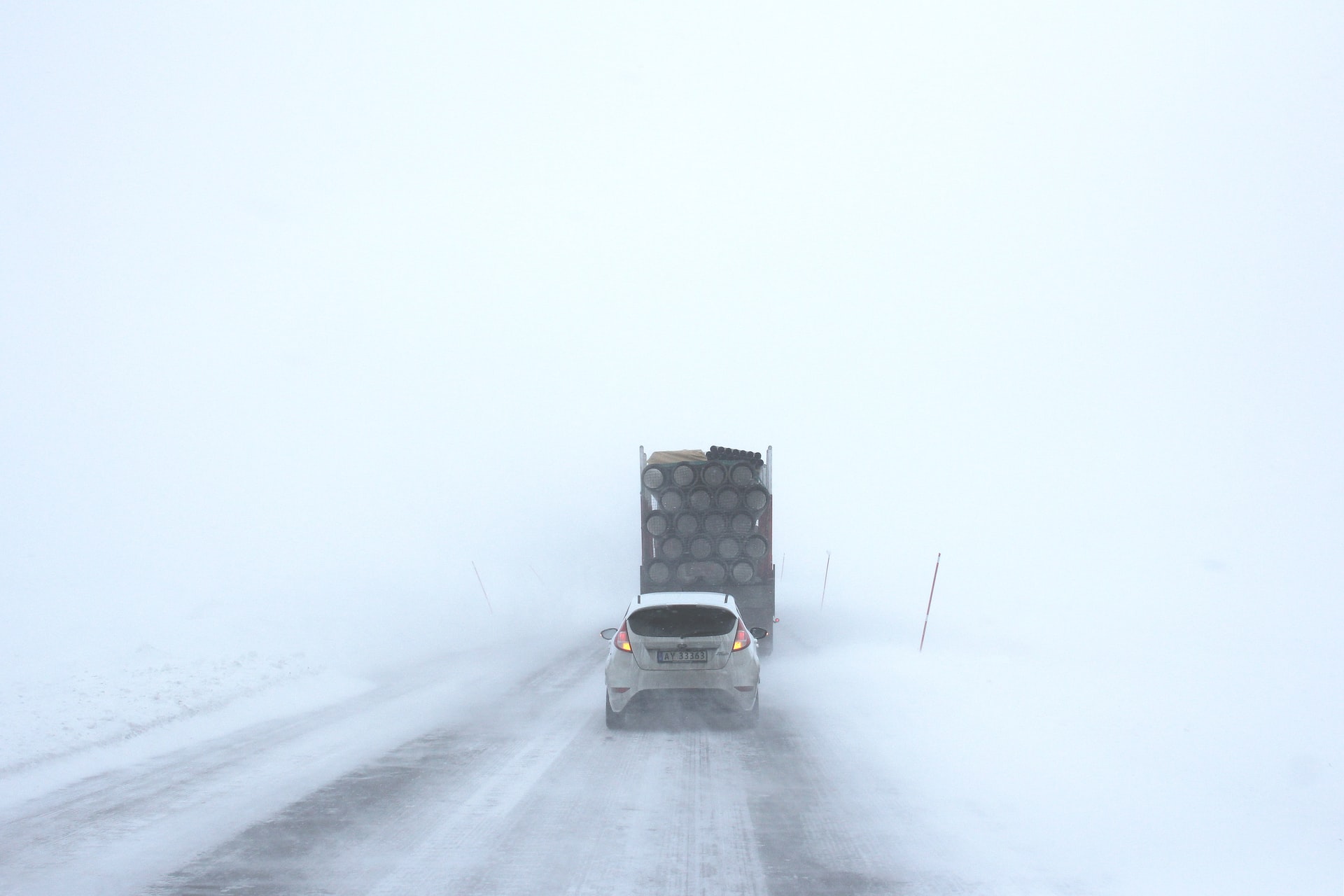
And bear in mind that it may get colder in the run-up to the holidays. While temperatures in Germany are expected to range from about 4C to 14C over the weekend – with sunshine possible in the west of the country – easterly winds could bring frosty air and the possibility of snow next week, according to recent forecasts.
Travelling by car
Germany’s roads are set for widespread traffic over Christmas and New Year, with congestion peaking before Christmas, after New Year’s and at the end of the school holidays.
The winter holidays begin nationwide on Friday, December 19th and last until early January in most federal states, with Hesse extending its break until January 10th.
The ADAC, Germany’s largest motoring organisation, is predicting particularly heavy traffic around major cities – especially Hamburg, Berlin, Cologne, Frankfurt and Munich.
Fortunately for drivers, most construction works are suspended during the holidays and lorries (over 7.5 tonnes) are prohibited from travelling between midnight and 10 pm on December 21st, 25th, 26th, 28th and January 1st and 4th – which should help ease congestion on the roads.
READ ALSO: LISTED – The big changes for travel in Germany in 2026
If you’re planning to visit neighbouring countries, bear in mind that key routes in Austria (Westautobahn, Tauernautobahn, Brennerautobahn, Fernpass), Switzerland (Gotthard, San Bernardino, Bern–Zurich–St. Margarethen) and Italy (Brenner motorway, roads to ski valleys) are all prone to jams during this period.
In addition, routes to the Netherlands, Czechia and Poland are expected to be busy and farmers’ protests in France could also cause temporary motorway blockages.
On the roads, the busiest travel days are expected to be:
- Friday, December 19th. The start of the holidays, when rush hour traffic merges with holidaymakers.
- Saturday, December 20th; Monday, December 22nd; Tuesday, December 23rd. As families and last-minute shoppers hit the roads.
- Friday, December 26th; Saturday, December 27th; Monday, December 29th and Tuesday, December 30th. Many people are expected to return from family visits or set off on skiing trips in the days immediately following Christmas Day.
- January 2nd – 9th: As the school holidays come to an end the roads fill with people returning home.
Travelling by train
There’s good news for rail passengers this Christmas as Deutsche Bahn (DB) plans to pause construction works over the holiday period to reduce delays.
Newly appointed CEO Evelyn Palla recently announced that “everything that can roll, will roll,” aiming to relieve the network and keep trains moving.
READ ALSO: REVEALED – Deutsche Bahn’s long-distance travel changes for the winter
Despite these efforts, travellers should still expect some delays. In October, only 48.5 percent of long-distance trains in Germany were on time and punctuality rates are not expected to improve significantly over the festive period.
Around five million passengers are expected to travel with DB over Christmas, with ticket sales already six percent higher than last year.
Remember to check the new timetable when making your plans and allow extra time for your journey.
Travelling by plane
Air travel this Christmas comes with its own set of challenges. European airports recently urged a review of the EU’s new Entry/Exit System (EES), warning of holiday chaos from mounting glitches.
The EES, which registers biometrics from non-EU travellers at Schengen borders, has led to up to 70 percent longer border waits – sometimes reaching three hours at peak times – due to IT outages, kiosk shortages and insufficient staff.
READ ALSO: ‘Mayhem and chaos’ – Europe’s airports demand urgent review of new border system
The system is being rolled out in phases, with further expansion planned for January.
Travellers flying abroad from Germany should also be aware of planned strikes in other countries.
EasyJet ground staff at London’s Luton Airport and Scandinavian Airlines Services (SAS) cabin crew at Heathrow are planning walkouts, which may cause delays and cancellations, according to Euronews.
In Spain, ongoing baggage handling strikes could also lead to longer queues at major airports, while Italy faces possible disruption in January due to planned strikes by ground staff and air traffic controllers.
Always check with your airline and the relevant airport for the latest updates before you travel.
Disclaimer : This story is auto aggregated by a computer programme and has not been created or edited by DOWNTHENEWS. Publisher: thelocal.de







