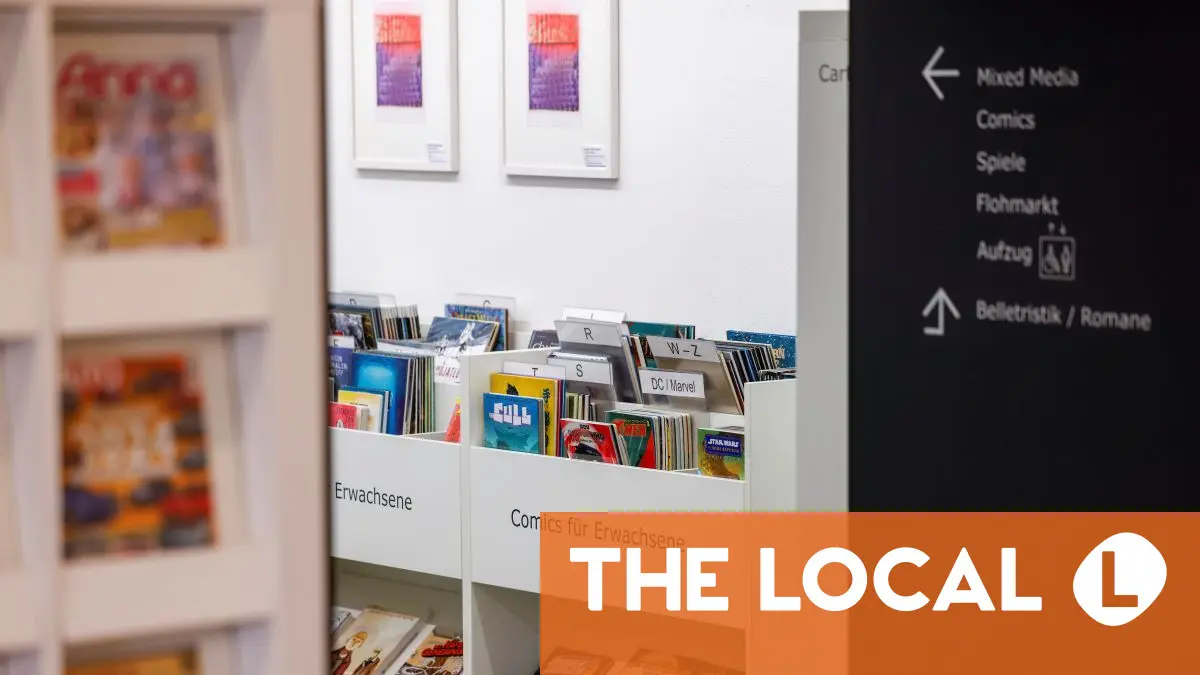
German libraries are a fabulous resource for anyone living in the country, offering not just books but everything from ice cream makers to umbrellas and even works of art to hang on your walls at home.
For many people in Germany, libraries are an oasis of calm, quiet places where freelancers can work without interruption – and a lifesaver for parents looking for a safe and stimulating environment for their children.
But what many newcomers don’t immediately realise is that German libraries (Bibliotheken) offer far more than shelves of books. Over the past few years, they’ve expanded their services dramatically, evolving into modern community hubs with digital access, events, workshops and a wide range of everyday items available to borrow.
Of course, not every library offers the full range of services described below. Smaller libraries may focus mainly on books and media, but one of the best things about the German system is that becoming a member of your local library often extends your access across an entire regional network.
This is true, for example, in Berlin, where one card allows you to borrow books – and more – from public libraries across the city (via the VÖBB network).
Books in foreign languages
Anyone who prefers to read in their native language will be pleased to know that many public and university libraries in Germany stock books in English and other foreign languages.
Larger city libraries usually offer a good selection ranging from modern fiction to non‑fiction and children’s books. University libraries also tend to have strong English-language collections and often make parts of their holdings available to the general public once you’ve registered.
READ ALSO: Listed – The iconic novels that make up Germany’s cultural canon
Prints and paintings
Anyone tired of looking at the same pictures day after day may be interested to learn that some libraries in Germany offer an art lending service.
This includes original paintings and prints that you can borrow for weeks or even months at a time. These collections, sometimes called Artotheken, are particularly common in bigger cities including Berlin (Amerika-Gedenkbibliothek), Hamburg and Munich.
Borrowing artwork usually works just like borrowing a book – once you have your library card you can choose a piece from the catalogue, check it out at the desk and take it home. Some libraries even offer protective transport boxes to ensure the artwork is carried safely.
READ ALSO: 10 German life hacks to make you feel like a local
CDs, DVDs and games
Most libraries lend CDs, DVDs, audiobooks and video games. This is one of the most common services across the country and can be found in many small and medium‑sized towns as well as in bigger, city libraries.
Loan periods for media are typically around 30 days, and most libraries allow you to extend your loan online unless another user has reserved the item.
Tools and musical instruments
A growing number of German libraries have adopted the motto “borrow instead of buy” and offer what’s sometimes called a “Library of Things”.
Depending on the location, this may include tools such as drills or pressure washers, everyday items like chargers and headphones, sports equipment or even game consoles.
The state library in Bremen, for example, is currently lending everything from an umbrella to a Nintendo Switch to an ice cream maker, a sewing machine and a mechanical window cleaner.
Some libraries also lend musical instruments, making it easy to try out a new hobby without investing in expensive equipment. As always, availability varies by location, so it’s worth checking your local library’s online catalogue to see what’s on offer.
READ ALSO: 10 must-see films and series to help you improve your German
E‑books and digital media
Digital borrowing has become a central part of what German libraries offer today, and for many foreign residents it’s one of the most convenient ways to access books in English.
Most public libraries provide thousands of e‑books and e‑audiobooks, along with films, music streaming and online learning platforms.
These services are usually accessed through dedicated library apps such as Libby or established digital platforms such as Onleihe.
Many of these apps also offer English‑language magazines and newspapers.
The process is straightforward: you download the relevant app from your app store, log in with your library card number and password and immediately gain access to the digital catalogue.
Once you borrow an item, it simply expires on its due date – meaning there’s no risk of late fees, and no need to manually return anything.
To use these services, you generally need a smartphone, tablet or computer. Many apps also allow you to read on an e‑reader – but with one important caveat: most Amazon Kindles won’t work with German library systems.
READ ALSO: What having kids at a German kindergarten teaches you about the local culture
How can foreign residents join their local library?
Joining a library in Germany is generally straightforward. Just head down to your local branch with your passport or national ID plus proof of your local address, such as your registration certificate (Meldebescheinigung). Non‑EU citizens may also need to show their residence permit.
Fees vary but are often between €10 and €20 per year for adults, while groups such as students, children or refugees often pay reduced fees or none at all.
Disclaimer : This story is auto aggregated by a computer programme and has not been created or edited by DOWNTHENEWS. Publisher: thelocal.de