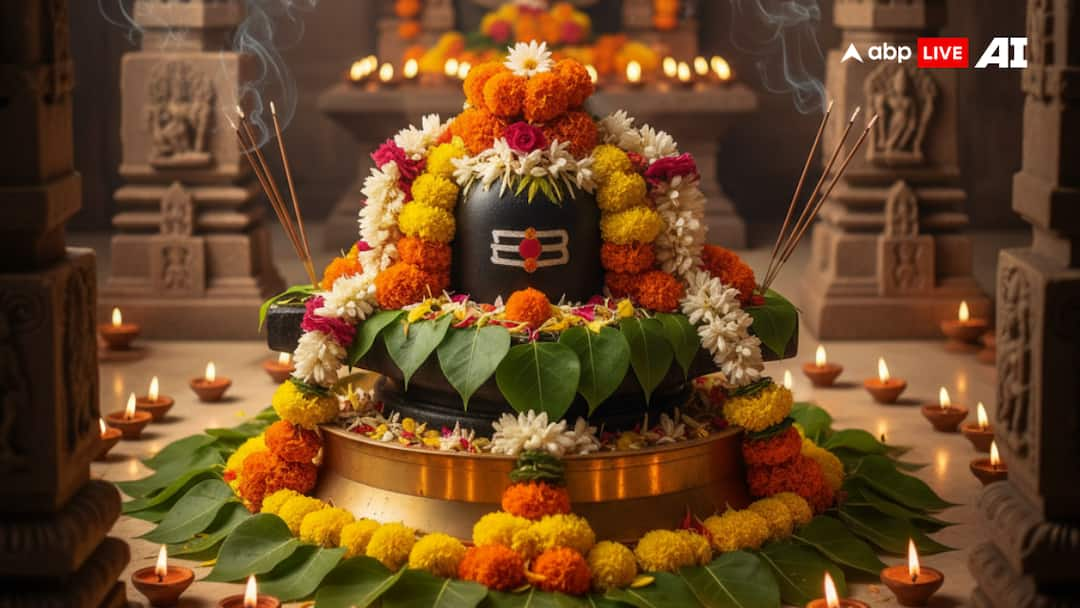
Maha Shivratri this year comes with a significant astrological factor, as the shadow of Bhadra will prevail for nearly 12 hours on February 15. Traditionally regarded as inauspicious, Bhadra is believed to restrict the performance of auspicious and ceremonial activities. This has raised questions among devotees about the appropriate time for Shiv worship and Jalabhishek on this sacred night.
ALSO READ: Magh Mela 2026: Know When Will Be The Last Day Of Sacred Bathing Ritual At Sangam
Bhadra Timings On Maha Shivratri
According to the Panchang, Bhadra will begin at 5:04 PM on February 15 and conclude at 5:23 AM on February 16. Although the duration spans around 12 hours, astrologers note that this Bhadra is situated in Patal Lok (the netherworld). When Bhadra resides in Patal, its influence is not considered harmful on Earth. As a result, devotees can perform Lord Shiv’s worship without obstruction.
Six Auspicious Muhurats For Puja
Devotees planning special prayers and Jalabhishek can consider the following muhurats:
Morning Muhurats
- Char: 8:24 AM – 9:48 AM
- Labh: 9:48 AM – 11:11 AM
- Amrit: 11:11 AM – 12:35 PM
Evening Muhurats
- Shubh: 6:11 PM – 7:47 PM
- Amrit: 7:47 PM – 9:23 PM
- Char: 9:23 PM – 10:59 PM
These time slots are considered favorable for offering prayers and performing rituals dedicated to Lord Shiv.
Rare Yogas On Shiv Sadhana Day
This year’s Maha Shivratri is described as particularly special due to the presence of multiple auspicious yogas. The day will witness the influence of Shiv Yoga, Ayushman Yoga, Saubhagya Yoga, Sarvartha Siddhi Yoga, Preeti Yoga, Sadhya Yoga, Shukla Yoga, Dhruva Yoga, Vyatipata Yoga, Shobhan Yoga, and Variyan Yoga. The alignment of these yogas is believed to enhance the spiritual potency of the occasion.
Mahashivratri 2026: Shiv Puja Vidhi
Devotees are advised to spend the day in meditation and, if possible, observe silence while remembering Lord Shiv. In the evening, one should visit a Shiv temple, sit facing east or north, and begin the worship ritual.
The Shivling should be bathed with Ganga water, milk, curd, ghee, honey, and sugar. Offerings such as dhatura, madar flowers, belpatra, sandalwood, and rice grains may be presented while chanting ‘Om Namah Shivya’ 108 times. Observing a day-long fast, especially without water, is considered highly meritorious.
Spiritual Significance Of Maha Shivratri
The four prahar (quarters) of worship on Maha Shivratri are believed to help attain the four aims of life, Dharma (righteousness), Artha (prosperity), Kama (desire), and Moksha (liberation). It is believed that negative energies and ailments are most active during the night, yet all remain under Lord Shiv’s control. Therefore, devotees undertake special spiritual practices on this night to seek protection, purification, and divine blessings.
[Disclaimer: The content of this article is based solely on beliefs, and should be taken as general guidance. Individual experiences may vary. ABPLive.com does not assert the accuracy or validity of any claims or information presented. It is strongly recommended to consult a qualified expert before considering or implementing any information or belief discussed herein.]
Related Video
Magh Mela: Triveni Sangam Witnesses Sea of Faith on First Snan of Magh Mela
Disclaimer : This story is auto aggregated by a computer programme and has not been created or edited by DOWNTHENEWS. Publisher: abplive.com