
A few years ago, it may have been fashionable to spend $1,000 on the latest flagship smartphone, but for most people, that’s neither practical nor necessary. You don’t even have to spend $500 today to get a decent handset, whether it’s a refurbished iPhone or an affordable Android phone, as there are plenty of decent options as low as $160.
However, navigating the budget phone market can be tricky; options that look good on paper may not be in practice, and some devices will end up costing you more when you consider many come with restrictive storage. While we spend most of our time reviewing mid- to high-end handsets at Engadget, we’ve tested a number of the latest budget-friendly phones on the market to see cut it as the best cheap phones you can get right now.
Quick Overview
Best cheap phones
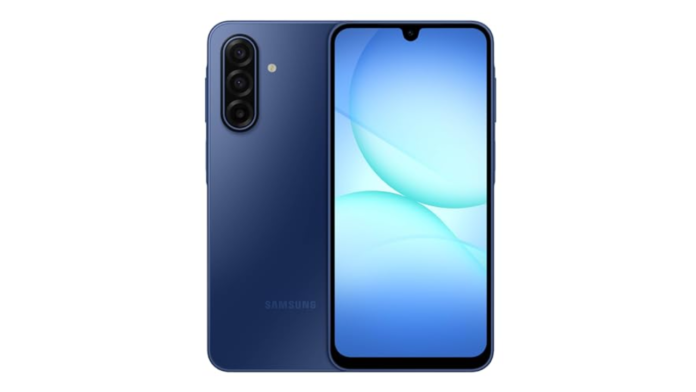
Read our full Samsung Galaxy A17 5G review
Building a good budget phone is tricky as manufacturers have a very hard limit on what they can include while staying under cost. Samsung has balanced this nicely on the Galaxy A17 5G by equipping it with a large 6.7-inch OLED display with solid brightness (up to 800 nits) and a 90Hz refresh rate. The phone’s design also defies its price because while it is made from polycarbonate (aka plastic), it doesn’t feel cheap. You even get a microSD card slot for expandable storage and three cameras in back. However, since one of those is a 2MP macro, it probably won’t see nearly as much use as the 50MP main or 5MP ultra-wide.
The one thing I wish Samsung splurged a bit more on is the phone’s Exynos 1330 chip, as it’s a little dated and sometimes struggles with things like multitasking or running more demanding apps. That said, starting at just $200 (or less depending on discounts), the Galaxy A17 delivers a lot of value for not a ton of money. — Sam Rutherford, Senior Reporter
OnePlus
The OnePlus Nord N30 5G was our previous top pick. At $300, it’s normally $100 more expensive than the A16 5G. However, if you can find it on sale for less, it’s still worth considering over the A16. For one, the N30 features a faster 120Hz display and its Snapdragon 695 chip, while older than the A16’s Exynos 1330, still outperforms it in some areas.
Another reason to consider the N30 over the A16 is that it ships with a 50W power adapter, letting you get a full day of battery life in 30 minutes. If you hope to use your new phone for as long as possible, the A16 is the better choice, but the N30 can be a compelling alternative. — Igor Bonifacic, Senior Reporter
Motorola
For those on a really tight budget, the 2024 Moto G Play covers all the bases well. It has a decently fast Snapdragon 680 processor along with 4GB of RAM and 64GB of storage. And while that last number might seem small, the phone has a microSD card slot so you can add more space if and when you need it.
Its 6.5-inch LCD screen is also surprisingly sharp with a 90Hz refresh rate. The Moto G Play even has an IP52 rating for dust and water resistance. That isn’t much, but it’s good enough to protect against an errant splash or two. Sure, the G Play is basic, but it’s basic in a good way. — S.R.
Motorola
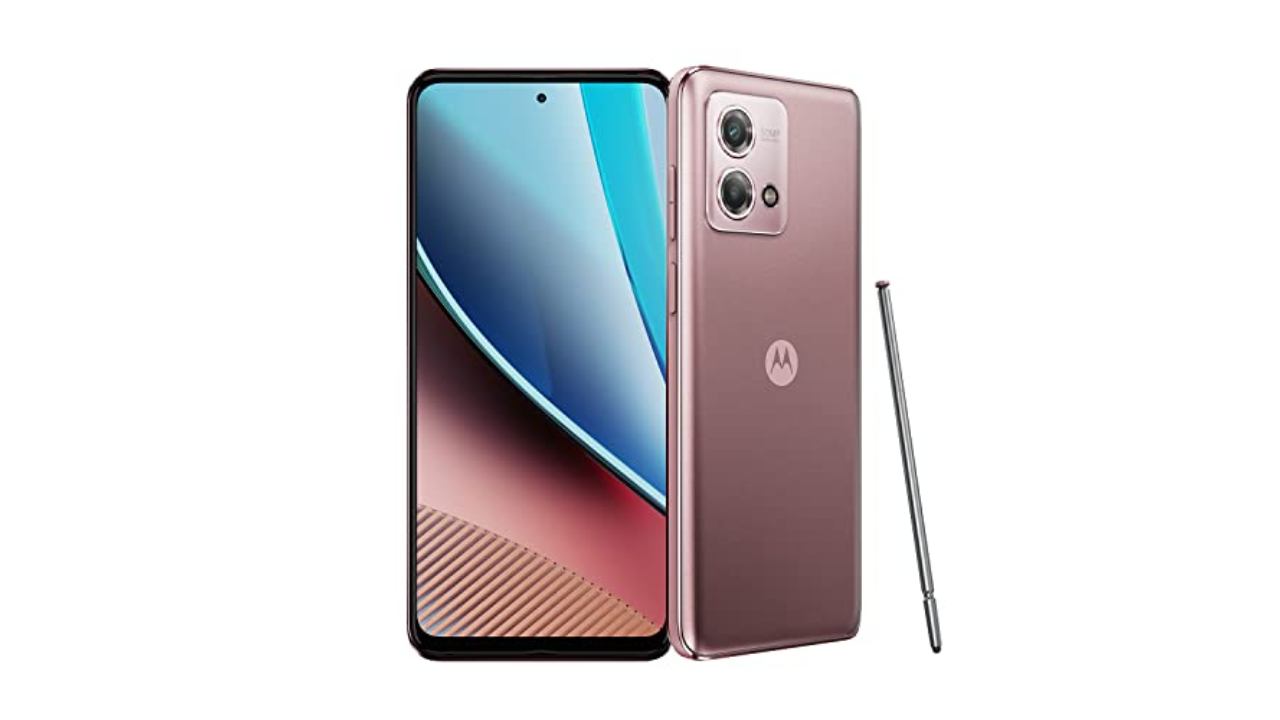
The $400 Motorola Moto G Stylus 5G offers something none of the other picks on this list do: a built-in stylus. If you love doodling and jotting down notes, then this is the cheap phone to buy. Thankfully, it has a few other things going for it too. The Moto G Stylus 5G sports a big and responsive 6.7-inch display and a long-lasting 5,000mAh battery. Plus, it doesn’t look half bad.
As with other options in this price range, it would be nice if the Moto G Stylus 5G came with a more capable camera, faster charging and protection against water. With this recommendation, be sure to avoid paying full price for the Moto G Stylus 5G. Thankfully, that’s not hard to do with the phone frequently on sale. — I.B.
What to look for in a cheap phone
For this guide, our top picks cost between $100 and $300. Anything less and you might as well go buy a dumb phone instead. Since they’re meant to be more affordable than flagship phones and even midrange handsets, budget smartphones involve compromises; the cheaper a device, the lower your expectations around specs, performance and experience should be. For that reason, the best advice I can give is to spend as much as you can afford. In this price range, even $50 or $100 more can get you a dramatically better product.
Second, you should know what you want most from a phone. When buying a budget smartphone, you may need to sacrifice a decent main camera for long battery life, or trade a high-resolution display for a faster CPU. That’s just what comes with the territory, but knowing your priorities will make it easier to find the right phone.
Advertisement
Advertisement
It’s also worth noting some features can be hard to find on cheaper handsets. For instance, you won’t need to search far for a device with all-day battery life — but if you want a phone with excellent camera quality, you’re better off shelling out for one of the recommendations in our midrange smartphone guide, which all come in at $600 or less.
Wireless charging and waterproofing also aren’t easy to find in this price range and forget about the fastest chipset. On the bright side, most of our recommendations come with headphone jacks, so you won’t need to buy wireless headphones.
iOS is also off the table, since, following the discontinuation of the iPhone SE, the $599 iPhone 16e is now the most affordable offering from Apple. That leaves Android as the only option in the under-$300 price range. Thankfully today, there’s little to complain about Google’s operating system – and you may even prefer it to iOS.
Lastly, keep in mind most Android manufacturers typically offer far less robust software features and support for their budget devices. In some cases, your new phone may only receive one major software update and a year or two of security patches beyond that. That applies to the OnePlus and Motorola recommendations on our list.
Advertisement
Advertisement
If you’d like to keep your phone for as long as possible, Samsung has the best software policy of any Android manufacturer in the budget space, offering at least four years of security updates on all of its devices. Recently, it even began offering six years of support on the $200 A16 5G, which we recommend below. That said, if software support (or device longevity overall) is your main focus, consider spending a bit more on the $500 Google Pixel 9a, or even the previous-gen Pixel 8a, which has planned software updates through mid-2031.
Disclaimer : This story is auto aggregated by a computer programme and has not been created or edited by DOWNTHENEWS. Publisher: engadget.com


