TEHRAN – The latest wave of tensions between the United States and Cuba has unfolded under the weight of a rapidly intensifying oil blockade—an escalation that critics describe as a modern extension of Washington’s long-standing hemispheric dominance.
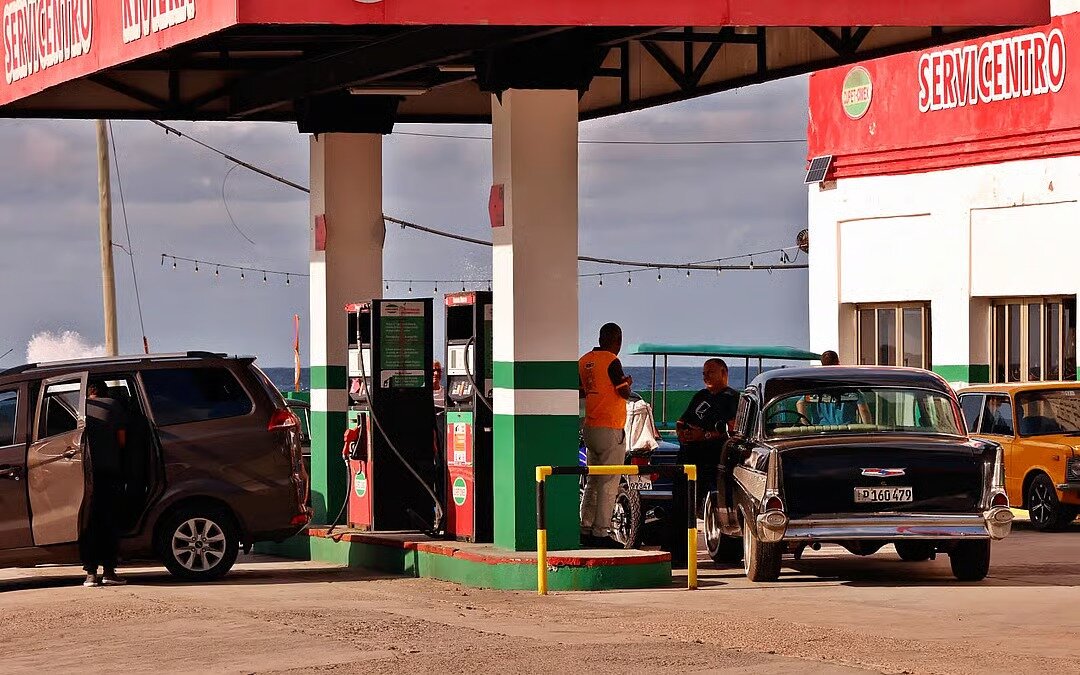
According to recent reporting, the blockade has triggered severe fuel shortages, grounded aircraft, and pushed Cuba toward a humanitarian emergency. Blackouts have become routine, and essential services—from hospitals to public transport—are strained to the edge of collapse. For governments and analysts critical of US policy, this is not an accidental byproduct of sanctions but the intended outcome: a deliberate attempt to destabilize the island by severing its energy lifeline.
The crisis deepened after the United States removed Venezuela’s Nicolás Maduro from power, an act described as an abduction. Venezuela had long been Cuba’s primary source of subsidized oil, and the disruption of that supply—combined with Washington’s threats to punish any country that dares to sell fuel to Havana—has been interpreted by many states as an extraterritorial projection of power. In their view, the US is not merely sanctioning Cuba; it is attempting to police the commercial relations of sovereign nations far beyond its borders.
Cuban officials have rejected Washington’s narrative with increasing clarity. President Miguel Díaz Canel has condemned the measures as an “energy blockade,” arguing that the crisis is the result of external strangulation rather than internal mismanagement. Deputy foreign minister Carlos Fernández de Cossio has highlighted the contradiction between US diplomats who deny responsibility and President Trump’s own statements, which openly acknowledge that the blockade is designed to deprive Cuba of oil, money, and basic economic functioning.
For many critics, the entire strategy evokes the logic of the Monroe Doctrine, the 19th-century policy that asserted Washington’s prerogative to shape political outcomes across the Western Hemisphere. The current pressure campaign—sanctions, fuel interdictions, and threats against third-party states—fits squarely within that historical pattern. It reinforces the perception that the US continues to treat Latin America not as a constellation of sovereign nations but as a strategic sphere where dissenting governments must be isolated, weakened, or replaced.
The blockade, critics argue, is a textbook example of the very interventionist behavior that regional thinkers sought to resist for more than a century.
Meanwhile, the humanitarian consequences are mounting. Reports describe hospitals struggling to operate without reliable electricity, families resorting to wood and coal for cooking, and airlines suspending service as jet fuel disappears. UN officials have warned of a potential “humanitarian collapse” if the blockade continues. For countries that oppose US hegemony—among them Cuba’s long-time allies such as Venezuela, as well as states across the Global South—Cuba’s plight is emblematic of a broader pattern: unilateral sanctions, regime change tactics, and the use of economic hardship as a tool of geopolitical leverage.
From this perspective, the crisis is not merely an energy shortage but a struggle over the future of sovereignty in the Americas. The question now is whether Cuba can withstand the pressure and whether other nations will continue to defy Washington’s threats by supplying aid and fuel. The answer will shape not only the island’s immediate fate but the broader balance of power in a region where the contest between hegemony and independence has never truly ended.
Disclaimer : This story is auto aggregated by a computer programme and has not been created or edited by DOWNTHENEWS. Publisher: tehrantimes.com