A Bengal tiger at golden hour. A jeep idling in the grasslands. A camera poised, waiting for the perfect moment. That tension, the quiet thrill of not knowing whether the forest will reward your patience, is what Satyajit Chakraborty wants to turn into gameplay.
Through his independent label Flying Robot Studios, the Kolkata-based solo developer has announced The Great Indian Safari, a wildlife photography management simulation for PC. The game, set for release on Steam in Q2 2027, blends ecosystem strategy with conservation ethics and the art of capturing rare wildlife moments.
And it is not, as I assumed at first, a real-time strategy (RTS) experiment chasing nostalgia.
“I’d gently clarify,” Chakraborty told ABP Live. “Safari is a management simulation, not RTS, closer to Planet Zoo than StarCraft. But choosing this genre in 2026 is absolutely a deliberate market bet.”
Not Chasing Trends, Building Depth
Chakraborty believes the management sim audience is underserved and fiercely loyal. Unlike players who jump between trending free-to-play titles, sim fans sink hundreds of hours into games they love.
“These players don’t chase trends,” he explains. “They evangelise the games they care about.”
When he surveyed Steam’s ecosystem of zoo builders, city planners, and theme park simulators, he spotted what he calls “whitespace.” No one had built a dedicated safari photography experience rooted in a living forest ecosystem.
“It’s less ‘risky creative decision’ and more ‘found an empty room and decided to furnish it.’”
Turning Safari Experience Into Gameplay
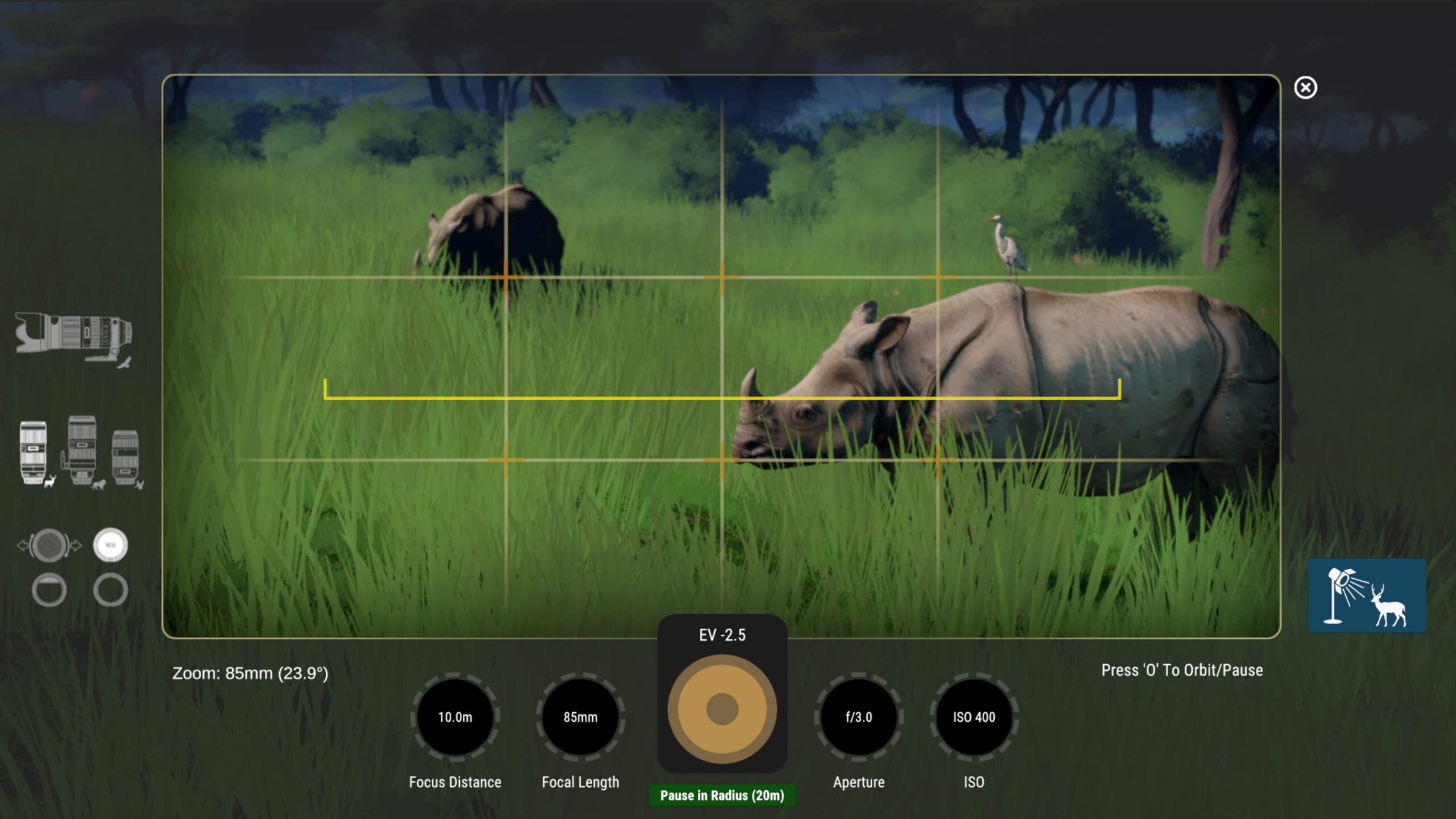
What separates The Great Indian Safari from traditional zoo builders is its core loop: photography.
The idea began with a simple observation. “What makes safaris magical that zoo games don’t capture?” Chakraborty asks. The answer, he says, is the hunt, not of animals, but of moments.
That tension of waiting in a jeep at dawn. The uncertainty of whether a tiger will emerge from the tall grass. The triumph of finally capturing a rare behaviour after days of near misses.
Photography transforms that into progression. Shots are scored on species rarity, behaviour, lighting, composition and risk. Viral in-game photographs trigger visitor surges and new management challenges.
“A great photo in this game isn’t just a screenshot, it’s proof that your ecosystem is functioning,” he says. “When players share a rare wildlife moment, they’re really showing off months of conservation decisions.”
A Love Letter To Indian Forests
The game draws heavy inspiration from India’s real-world parks: Tadoba-Andhari, Ranthambore, Corbett, Kaziranga, and Bandipur.

“These aren’t just asset references,” Chakraborty says. “They’re the DNA of the game design.”
Though a solo developer, he has immersed himself in field research, documentaries, safari guide channels and academic papers on tiger behaviour. One mechanism born from that research is territorial behaviour.

“In real safaris, experienced guides know individual tigers, their territories, habits, even personalities,” he notes. “Machli in Ranthambore was a celebrity.”
In the game, animals aren’t interchangeable assets. Players learn that a dominant male prefers a specific waterhole at dusk. Observation becomes strategy.
One Developer, Global Ambition
Flying Robot Studios is currently a one-person operation, with external vendors assisting on assets and animation. Development has been active for 12 months, funded entirely by Chakraborty through his publishing company SYV Games and revenue from his previous title, Tea Garden Simulator.
That independence brings creative control and financial risk.
“This is increasingly viable for Indian developers,” he says. “Our cost of living allows longer runways, and tools have democratised production. I’m not competing with a 200-person team. I’m intentionally scoping for what one very determined person can achieve.”
Dual-Audience Strategy
Chakraborty is pragmatic about his audience’s expectations. The global management sim community will likely drive initial volume. But Indian players remain the emotional core of the project.
“My hope is Safari becomes something Indian players can point to with pride, ‘this exists, it’s ours, and it’s genuinely good.’”
The Steam page is live now, and the studio is embarking on an 18-month wishlist campaign ahead of a targeted Q2 2027 release.
Patience is central to wildlife photography. It may also be central to this game’s success.
Related Video
News headlines at this hour in fatafat style | 6 December 2021
Disclaimer : This story is auto aggregated by a computer programme and has not been created or edited by DOWNTHENEWS. Publisher: abplive.com