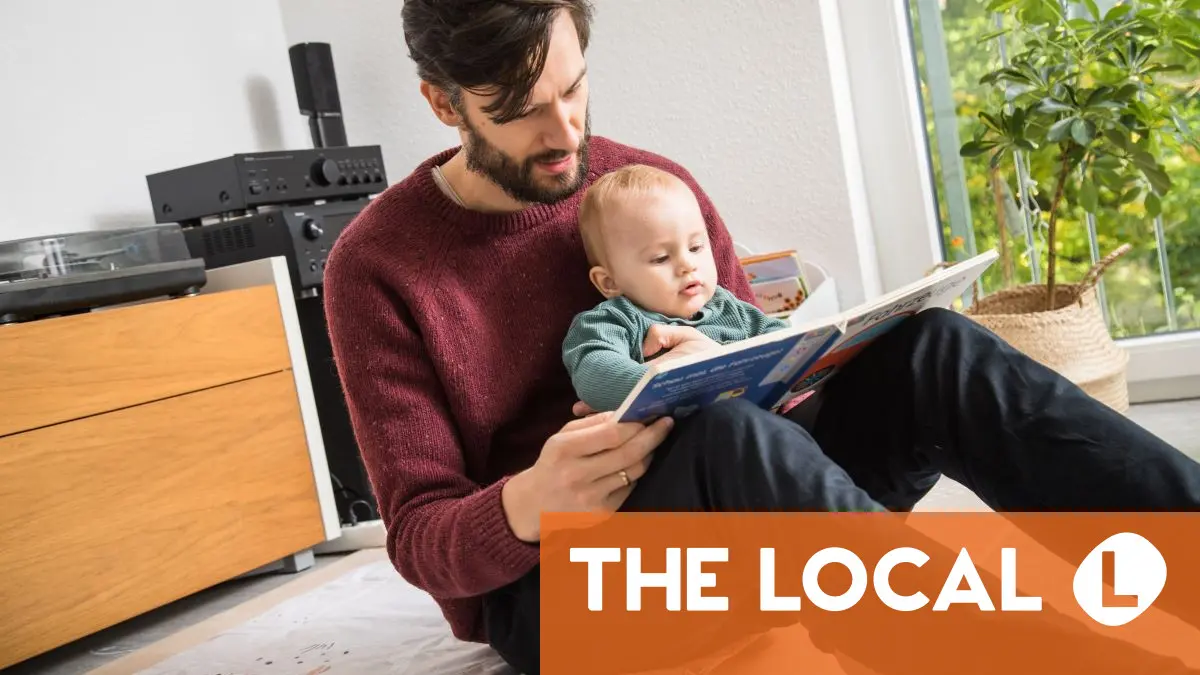
Germany may have a reputation as a monoglot country, but step inside people’s homes and a different picture emerges. New figures show that bilingual and multilingual life is an everyday reality for millions of families in the country.
Deutsche Sprache, obviously, is overwhelmingly the language most people use to navigate their daily lives in Deutschland — even among a large portion of the country’s foreign residents. But what happens when they return home?
According to new data released by the Germany’s statistics office (Destatis) ahead of International Mother Language Day, the answer is that the languages used across German homes are more varied than you might imagine.
The figures reveal a country where millions of residents regularly switch between German and at least one other language.
Nearly one in five people live in households where more than one language is spoken, with many foreign residents capable of moving seamlessly between German and another language, or languages, depending on the situation.
READ ALSO: ‘Forget about bilingual Kitas’ – Key tips for raising bilingual kids in Germany
What languages are spoken at home in Germany?
Destatis found that 77 percent of people in private households speak only German at home.
In a further 17 percent of households, German is used alongside at least one other language, while six percent of households don’t use German at home at all.
In absolute terms, that translates into around 15.5 million people who communicate at home partly, predominantly or exclusively in a language other than German.
Among these households, Turkish is the most widely spoken non‑German language, used by 14 percent of people who mainly speak another language at home. It’s followed by Russian (12 percent) and Arabic (nine percent), reflecting long‑standing migration patterns as well as more recent arrivals.
Bilingual Germany
Language use at home is particularly varied among people with a migration background – defined as those who immigrated, or whose parents immigrated, to Germany after 1950.
Interestingly, of Germany’s bilingual speakers, nearly three quarters (74 percent) communicated mainly in a foreign language. Just 22 percent of this group speak only German at home, with the remaining majority using a mix of German and another language.
READ ALSO: ‘I was terrified she’d stop talking’ – How to make your German child bilingual
Across the population as a whole, however, households that do not speak any German remain a small minority, accounting for just six percent of the total.
How was the data collected?
Destatis has been collecting information on the languages spoken at home in Germany since 2017. This makes it possible to observe broad patterns over time, but direct comparisons between years are difficult to pinpoint as the wording of survey questions often changes.
But the overall share of multilingual households, and the mix of languages spoken at home, appear to have remained broadly consistent over this period.
Meanwhile, Germans’ English language skills showed marked improvement last year, according to the English Proficiency Index 2025.
READ ALSO: ‘Real progress’ – Unpacking Germany’s improved English proficiency score
Disclaimer : This story is auto aggregated by a computer programme and has not been created or edited by DOWNTHENEWS. Publisher: thelocal.de