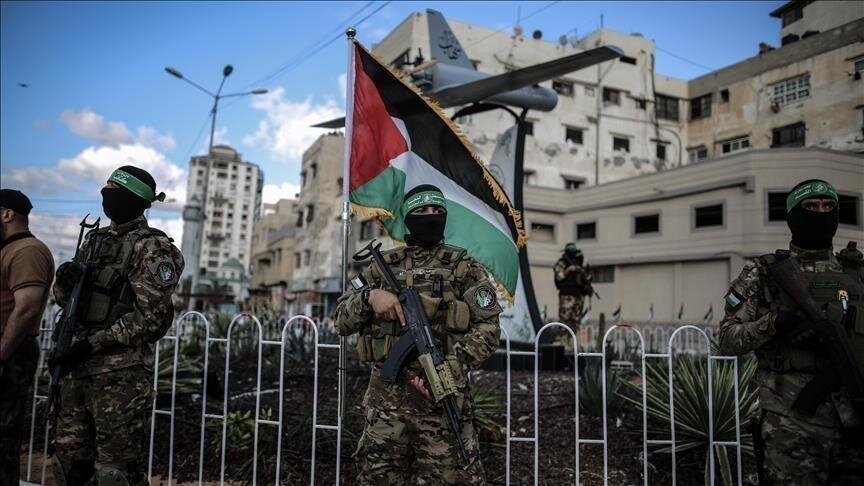
TEHRAN – Reports suggest that the Palestinian resistance has begun quietly redeploying fighters closer to the frontline in Gaza.
Since the launch of Operation Al-Aqsa Flood, the balance of power on the ground has shifted significantly. The Israeli Occupation Forces (IOF) now control large portions of the territory, with full and sustained control in Rafah, the southernmost city of the enclave.
Areas once dominated by Palestinian resistance forces have shrunk considerably, and the element of surprise that once provided a tactical edge has largely diminished.
Backed politically and militarily by the United States, the occupation regime maintains overwhelming firepower and advanced intelligence capabilities. In response, Palestinian resistance forces have operated primarily underground or deeper inside urban areas to reduce exposure to airstrikes and artillery attacks.
Following the truce that took effect in October, the Palestinian resistance initially withdrew many fighters from areas near the so-called “Yellow Line.” These areas have been subjected to repeated shelling and aerial bombardment.
Early attempts to reestablish positions there were met with heavy strikes by the IOF, forcing another tactical pullback.
In recent weeks, however, Palestinian resistance forces have reestablished a calculated presence closer to the “Yellow Line,” military analysts say.
Units have set up both permanent and nighttime observation posts. These deployments are discreet and carefully managed, designed to limit exposure while strengthening rapid response capabilities.
Several factors explain this shift.
First, serious security breaches occurred inside areas under Palestinian control. Collaborators, supported with intelligence and aerial surveillance from the occupation regime, carried out kidnappings and assassinations in locations including Gaza City, the Maghazi camp, and Khan Yunis. In some cases, senior security officials were killed.
These incidents exposed a security vacuum in zones near the “Yellow-Line” where no fighters had been deployed.
After the redeployment, several infiltration attempts were thwarted, dozens of collaborators were arrested, and armed confrontations took place. The restored presence of Palestinian resistance forces has significantly reduced the room for such breaches and strengthened internal security.
Second, IOF movements near the “Yellow Line” have intensified. Forces have advanced closer to densely populated areas, carrying out activities that suggest preparations for broader ground operations should the truce collapse.
By positioning fighters nearer to potential flashpoints, the Palestinian resistance ensures faster reaction times and maintains essential field-level awareness of IOF activity.
Third, redeployment serves to maintain combat readiness. Months of intense warfare and resistance were followed by a period of relative inactivity under the ceasefire.
Sustained absence from frontline areas can affect preparedness and morale. By returning fighters to operational zones, the Palestinian resistance preserves discipline, cohesion, and readiness in the face of ongoing targeted strikes by the occupation regime.
A further consideration is the potential deployment of international stabilization forces amid the second phase of the ceasefire. While the Palestinian resistance leaders have not signaled any desire for confrontation with such forces, they remain cautious about unclear mandates, particularly if they were to involve disarmament, an issue widely regarded as sensitive and consequential.
Although these forward deployments carry risks given the occupation regime’s aerial dominance and intelligence reach, the Palestinian resistance views proactive positioning as a strategic necessity.
By closing security gaps, restoring deterrence along sensitive axes, and ensuring its fighters remain prepared for any escalation, the Palestinian resistance is acting to safeguard both its operational capabilities and the internal stability of Gaza.
Rather than signaling escalation, the move reflects calculated risk management and a determination to prevent further erosion of security under increasingly volatile conditions.
Disclaimer : This story is auto aggregated by a computer programme and has not been created or edited by DOWNTHENEWS. Publisher: tehrantimes.com