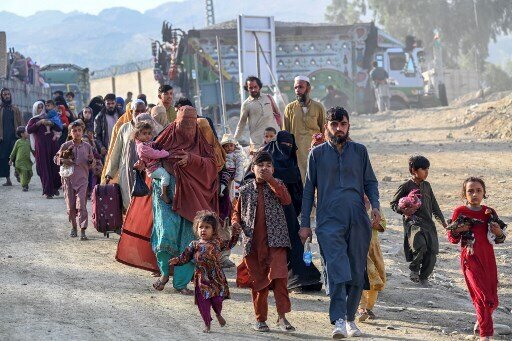
TEHRAN – Taliban authorities have said 449 Afghan refugees have been deported from Iran on Wednesday, February 18.
More than 4,300 Afghan nationals returned from Pakistan and Iran in a single day, as deportations from both countries persist, Afghan sources reported.
The Taliban’s commission for refugee affairs reported that 3,918 Afghans returned from Pakistan, mainly through the Torkham and Spin Boldak border crossings. An additional 449 were deported from Iran via the Pul-e Abresham and Islam Qala points.
More than 3.6 million Afghans returned from Iran in 2025, including around 1.2 million who were deported, the International Federation of Red Cross and Red Crescent Societies (IFRC) said in a January report.
Returns from Iran accounted for nearly two-thirds of all Afghan returnees in 2025 and remained substantial throughout the year. More than 5.2 million individuals returned to Afghanistan from neighboring Iran and Pakistan between January and the end of November 2025, including over 1.3 million deportees, the report added.
About 804,830 returned from Pakistan, according to data compiled by humanitarian partners and the International Organization for Migration (IOM).
Aid agencies said significant numbers crossed at key border points such as Islam Qala in Herat and Milak–Zaranj in Nimroz, often arriving with few belongings. The peak in returns occurred mid-year, driven in part by the expiry of temporary residency arrangements and intensified policing, with tens of thousands reported to be crossing daily during earlier phases. Although daily crossings declined after the mid-year peak, returns continued at scale into late 2025.
In December 2025, the Office of the United Nations High Commissioner for Refugees (UNHCR) said those Afghan refugees returning from Iran often have more education, better food security, and housing than those returning from Pakistan.
UNHCR’s “Afghanistan post-return monitoring survey report” released on December 30, 2025, highlighted different challenges for Afghan returnees from Iran versus Pakistan.
Those from Iran often have more education, better food security, and housing, while returnees from Pakistan face severe economic hardship, relying more on daily wages and carrying heavier debt burdens, according to the report.
Disclaimer : This story is auto aggregated by a computer programme and has not been created or edited by DOWNTHENEWS. Publisher: tehrantimes.com