
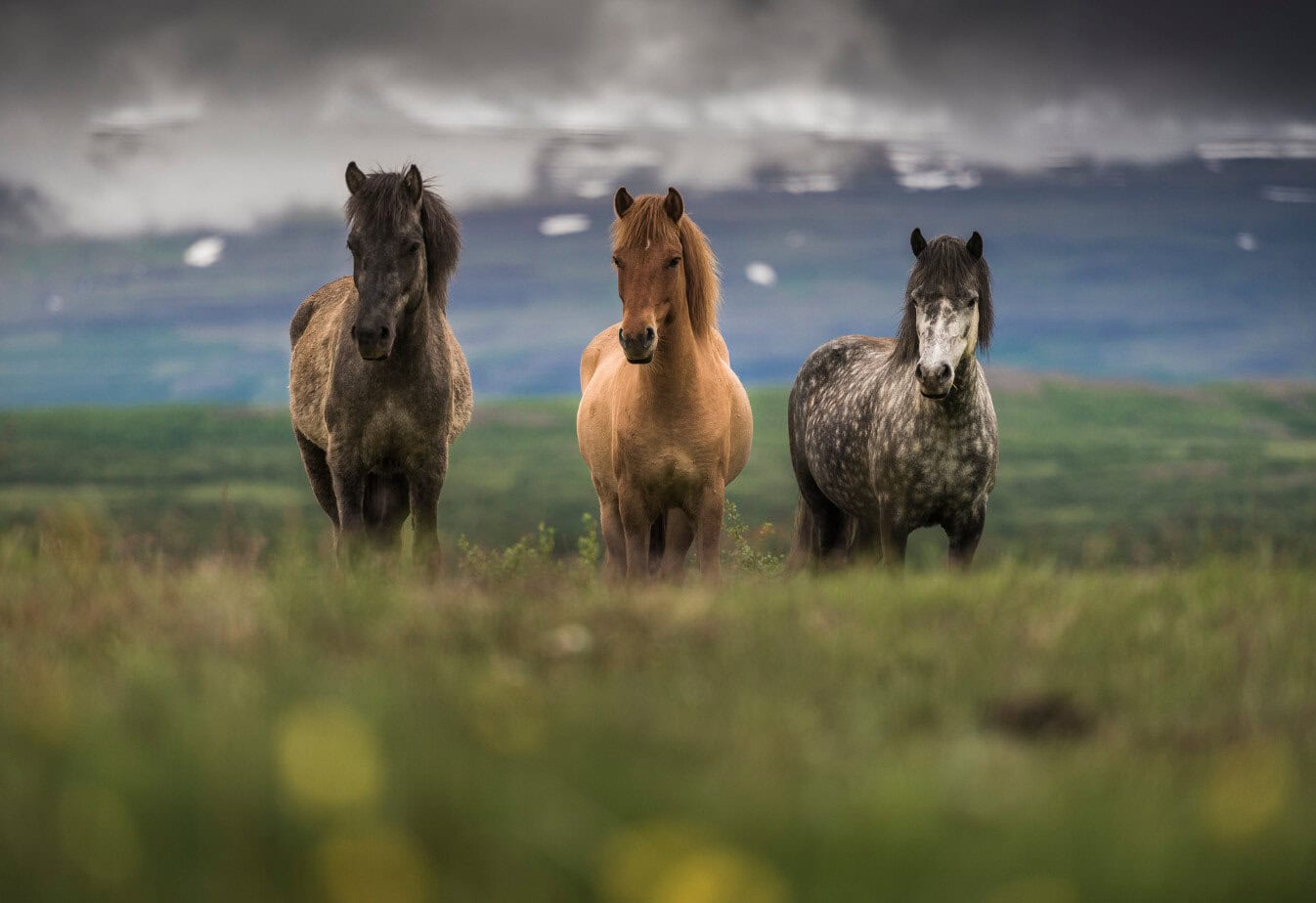
European animal welfare organizations are asking Iceland to apply European Union animal protection rules more strictly in its horse blood industry.
On Wednesday, the organizations Eurogroup for Animals, Animal Welfare Foundation, and the Icelandic group Dýraverndarsamband Íslands sent an open letter to Icelandic government officials.
They say blood collection from horses should be officially treated as a scientific procedure. This would require stronger animal welfare rules.
What is the horse blood industry?
In Iceland, blood is drawn from pregnant mares to collect a hormone called PMSG, also known as eCG.
PMSG is used in intensive farming to control fertility in animals like pigs and sheep. Farmers use it to make animals get pregnant at the same time, which helps manage large-scale production.
A large amount of the PMSG used in Europe comes from Iceland.
Last year, Animal Welfare Foundation and Tierschutzbund Zürich released an investigation into Icelandic blood farms. They reported that horses experienced stress and pain during the collection of blood used to produce the fertility hormone PMSG.
Footage recorded in September 2024 on six blood farms shows semi-wild mares experiencing extreme stress during blood collection.
The animals are handled roughly and are tightly restrained to keep them still. The mares are tied in uncomfortable positions with their heads held high, which can increase the risk of injuries, especially to their necks.
According to the organisations, footage also showed pregnant mares being tightly restrained while large amounts of blood were taken. They also reported that some foals were separated from their mothers during the process, causing distress.
The industry has said it operates under existing regulations, but the findings have renewed debate about animal welfare in the production of PMSG.
Agriculture or scientific procedure
The main issue in the open letter is about how the blood collection should be legally classified.
Ísteka, the Icelandic company in this industry, says the procedure should count as traditional agriculture, like milking cows or shearing sheep.
Animal welfare groups disagree. They argue that collecting large amounts of blood to make a pharmaceutical hormone is more like a scientific or medical procedure.
This difference matters because the legal classification affects how the animals are protected. If blood collection is seen as agriculture, fewer animal welfare rules apply. If it is seen as scientific use, stricter protections are required under EU law.
Alternatives available
Although Iceland is not part of the European Union, it follows many EU rules through the European Economic Area (EEA) agreement. The relevant law in this case is EU Directive 2010/63/EU, which protects animals used for scientific purposes.
Animal welfare groups say this law should apply because large volumes of blood are collected for pharmaceutical production.
They also argue that the animals are used to produce a medical hormone, not food, and that the procedure can cause pain or stress and may sometimes require anesthesia.
Animal welfare groups added that there are alternatives, such as synthetic or lab-made hormones and better breeding management.
Under EU rules, live animals should be replaced when possible. This idea is known as the 3R principle, which means replacing animals where possible, reducing the number of animals used, and refining methods to reduce suffering.
– Advertisement –
Disclaimer : This story is auto aggregated by a computer programme and has not been created or edited by DOWNTHENEWS. Publisher: theanimalreader.com



