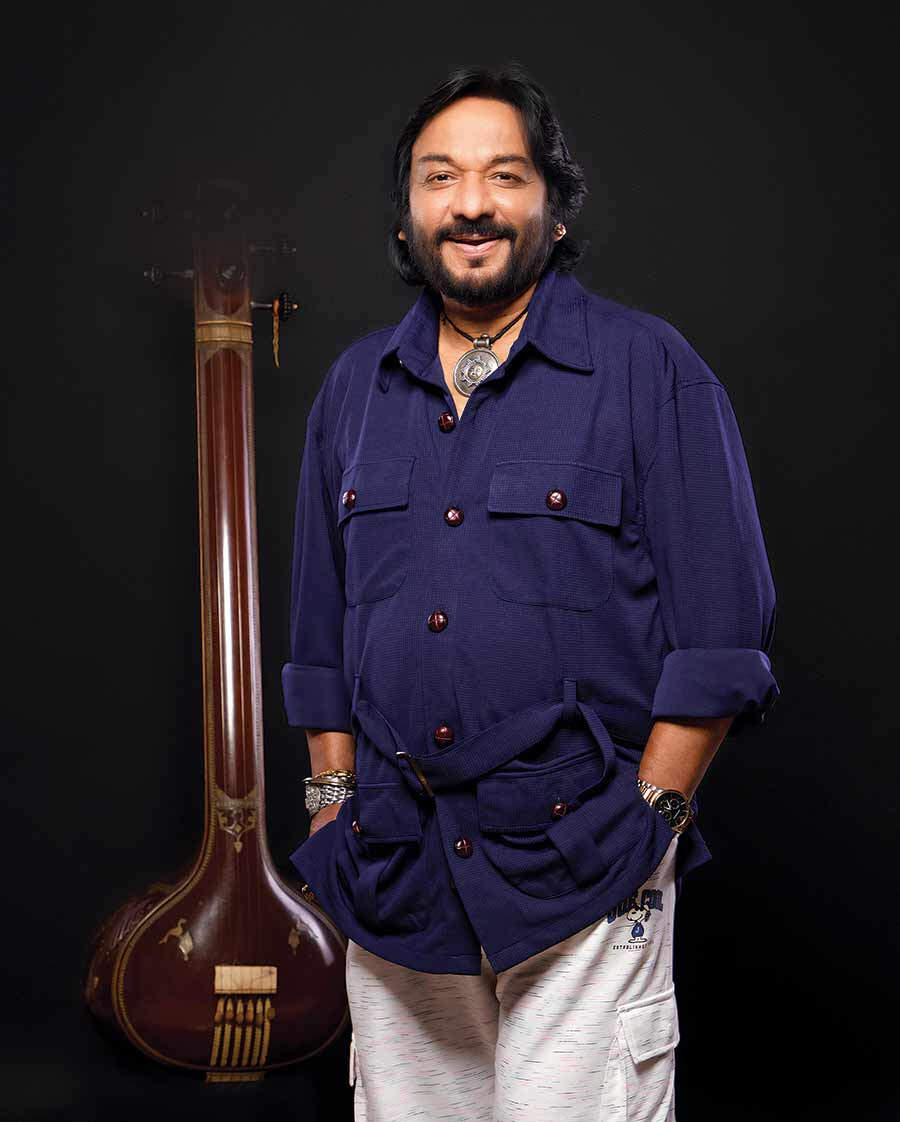
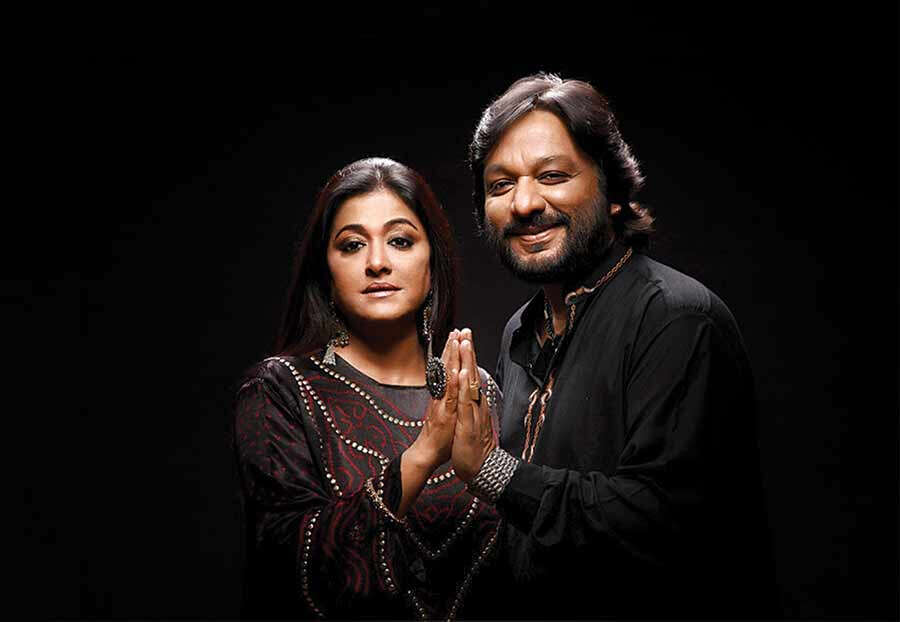
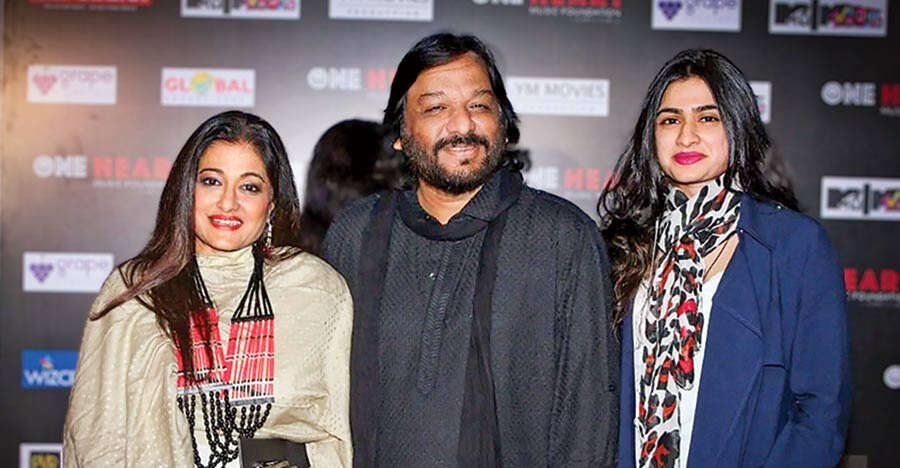
The sentiment of sacrifice and patriotism in Sandese aate hain (Border) and Zindagi maut na ban jaaye (Sarfarosh), passion and yearning in To chalun (Border), wait against time in Tere liye (Veer Zaara) even as he brought to life Madan Mohan’s vintage tune, the Sufi soul-cry Aankhen teri (Anwar), love in its spiritual splendour in Tujh mein rab dikhta hai (Rab Ne Banda Di Jodi)… Roop Kumar Rathod’s voice conveys myriad moods and moments. “I’m grateful for all the love I receive during shows. My wife Sunali and daughter Reewa also perform with me,” he smiles adding, “I’d like to dedicate my song Dabi dabi saaanson mein… haule se uska salaam aaya from Veer (2009) to Sunali,” he says underlining how heart and art forge a profound partnership. He’s also an ardent wild-life photographer, his sensibilities seeking symphonies in nature. “The fragrance of the forest has an asar (effect) on the heart,” he says, his ear for music cutting across topography and terrains… His journey in Roop Kumar Rathod’s own words:
Tabla tales
Music has been our tradition. My father, the late Pandit Chaturbhuj Rathod, was a renowned proponent of the Dhrupad genre, one of the oldest forms of Hindustani classical music. My brothers, the late Shravan Rathod and singer Vinod Rathod, carved their identities in the music world. My first love was tabla. As a professional tabla player, I accompanied ghazal maestros including Mehdi Hasan saab, Ghulam Ali saab, Jagit Singhji, Anup Jalotaji, Pankaj Udhasji, Rajendra Mehtaji, Hariharanji, Talat Azizji... I played at the Royal Albert Hall and travelled all over the world. Once in 1984, I participated in my father’s concert. I was around 24. I sat behind Pitaji and played the tanpura doubling up for his student, who was absent. Half an hour into the show, Pitaji gestured to me to join him in the vocals assuming I was his student. But I couldn’t sing. Pitaji must have felt embarrassed. So did I. That year, I was booked till December to play the tabla in concerts. I honoured those commitments. But after 1985, I refused all assignments as I wanted to train as a singer. Pitaji was shocked. He said, “You’ve gained so much fame and money as a tabla player. Why do you want to give it up?’ I’d been playing the tabla between 1980-1984 and had participated in around 25 concerts a month. I’d travel on flights, stay in five-star hotels and was familiar with the applause and glamour. But I gave it all up to sing. It was an atmosphere of mourning at home. Pitaji thought someone had done witchcraft on me. He refused to teach me. After a while, I grew restless at home. So on January 26. 1985, I went off to London. There I taught tabla to children during the day and did riyaaz at night. I’d grown up hearing my father and other noted singers. I’d absorbed it all. I knew how to engage the audiences. Within a month I hosted a small function at someone’s house. I sang ghazals including Chupke chupke, Hungama hai kyon barpaan, Awaargi, Ghungroo toot gaye…I must have hosted around 16 to 17 programmes in London for around two months. Then I began singing at banquets. The press covered my shows. I brought those cuttings back home and showed them to my father. He gave me the tanpura and began training me.
Ghazal and Geet
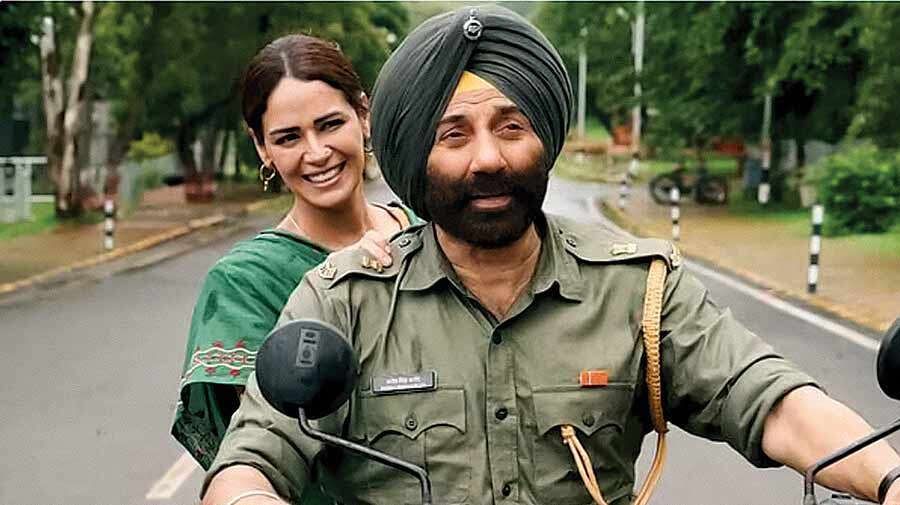
Sandese aate hai from J P Dutta’s Border (1997), written by Javed Akhtar saab and composed by Anu Malik, was the turning point. The song, sung with Sonu Nigam, made me a playback singer. When it was being recorded, everyone in the studio including the chorus singers and musicians were left teary-eyed. The last antara Aye guzarne waali hava zara…meri maa ko mera payaam de…is extremely moving and I often experience a breakdown while singing it in shows. The song gave me a new identity. But honestly, had someone else sung Sandese aate hai, it would have still been a hit. Such is the power of the words, tune, picturisation, emotions…I also sang the immensely popular To chalun…aye jaate huwe lamhon in Border, which captures the personal sacrifices of our armed forces. In all humility, some credit for it falls in my share too. Along with romance, there’s sadness, a sense of separation…Music directors started calling me for work after this song. I will remain J P Dutta saab’s slave for life.
Maestros & Memories
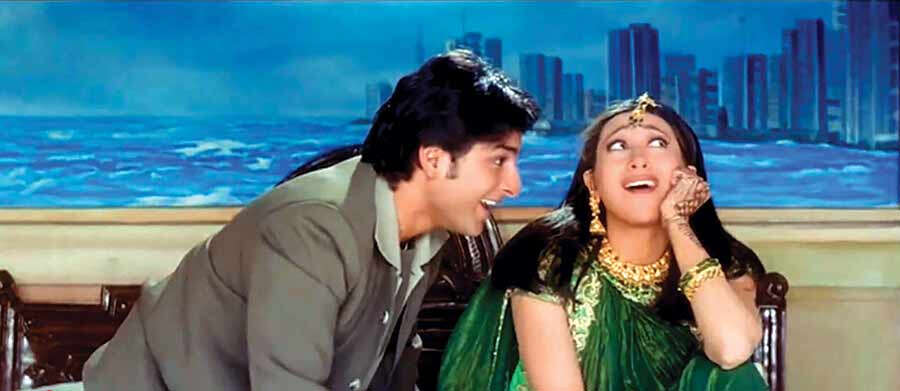
Sarfarosh (1999) was another milestone. Jatin-Lalit called me for the sitting in the presence of director John Matthew Matthan. They played a tune, the lyrics of which were Dhool dhool toh dhool hai issko na uchalo yaaron…I told John that I liked the tune but not the lyrics as there was no poetry in it. So, my poet friend, Israr Ansari, wrote the lines Zindagi maut na ban jaaye. His words poured life into the patriotic song. It was an equally enriching experience to work with AR Rahman for Thakshak (1999). He asked me to fly down to Chennai by evening. I was put up in a hotel. I didn’t have dinner as it’s difficult to sing on a full stomach. Rahman called at 1.30 pm and asked me to come to the studio. Director Govind Nihalani and lyricist Mehboob were present. We started recording at 3.30 am. All the anataras had the same tune using the same three instruments. I humbly suggested that if we slightly changed it, the song would reach another level. Rahman graciously said, “Okay give me 10 minutes.” He poured me coffee from his flask and kept creating different tunes. We recorded the third stanza and finished at 5 am. By then I was extremely hungry. Rahman offered to take me to eat good South Indian ‘tiffin’ at a famous eatery. Govindji and Rahman sat in the front while Mehboob and I sat behind. Rahman kept driving around for an hour and a half but couldn’t find the café. I’d to take an 8 am flight and so went off to the airport.
But what I cherish most is the memory of Rahman listening to and talking about music in the car. Gulzar saab and I had worked together on my ghazal album Vaada (2000). We shared poetry, jokes… and forged the ‘hum pyala hum nivala’ kind of bond. I found a home, which I could enter without knocking. Working with him again for Meghna Gulzar’s Filhaal (2002) was wonderful. Le chalein doliyon mein bithakar is a romantic number, a proposal. The song includes the name of the protagonist Reewa Reewa Reewa (played by Tabu)… Our daughter’s name is also Reewa. I must mention O saiyyan from Agneepath (2011), composed by Ajay-Atul and written by Amitabh Bhattacharya. It’s a beautiful melody with santoor and violins. I made an effort to express every nuance, every emotion felt by the female protagonist, Priyanka Chopra. The song is unique because though it’s sung in a male voice, it’s decoding the language of a girl’s heart.
Yashraj and more
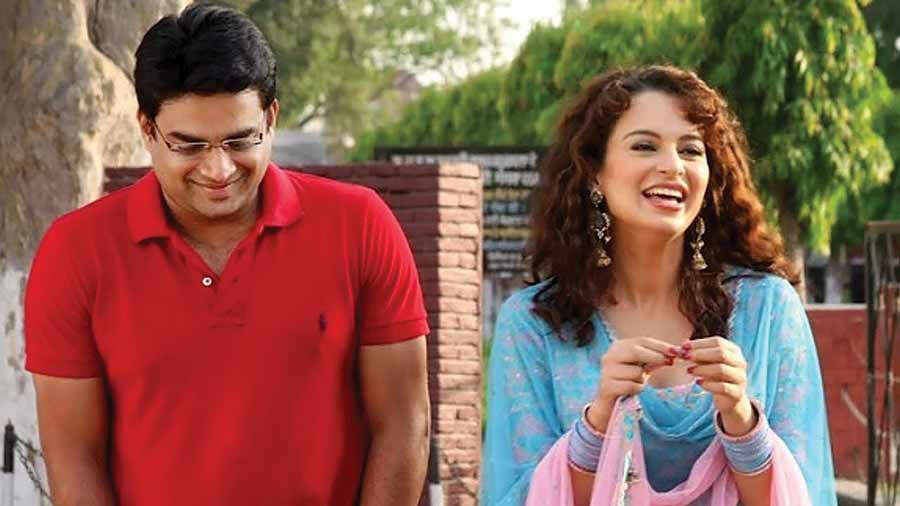
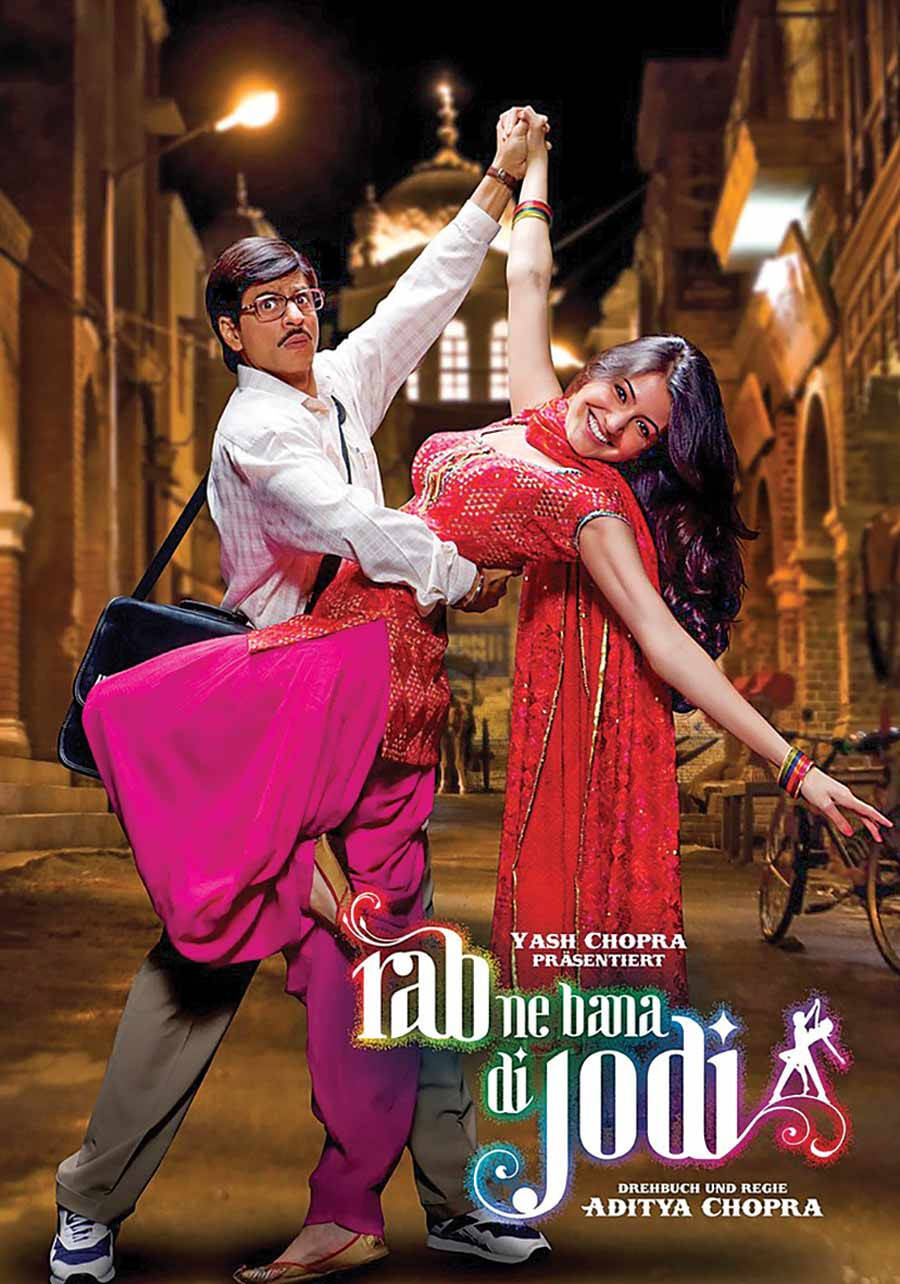
We recorded the song and I forgot about it. After seven-eight months I was doing a show in America when I got a call from a popular RJ in India saying, “Roopji kya gaana gaya hai aapne!” I wondered which song she was talking about. When she mentioned Aankhen teri. Pandit Jasrajji’s daughter Durga Jasraj also called me and said, “Roopji, you made my father cry today when he listened to Aankhen teri. He has sent you his blessings.” Not only did Aankhen teri bring in the trend of Sufi songs bit it also led Aditya Chopra to approach me for the title song of Rab Ne Bana Di Jodi (2008). He said, “Aankhen teri and Tere liye have a feel of ibadat (worship). My hero is an ordinary person, whose love for his wife is no less spiritual.” That’s how I sang Tujh mein rab dikhta hai.
 Wild pursuits
 Also Read: Anil Kapoor shares throwback pics of Sridevi and Satish Kaushik from Roop Ki Rani Choron Ka Raja
Disclaimer : This story is auto aggregated by a computer programme and has not been created or edited by DOWNTHENEWS. Publisher: filmfare.com