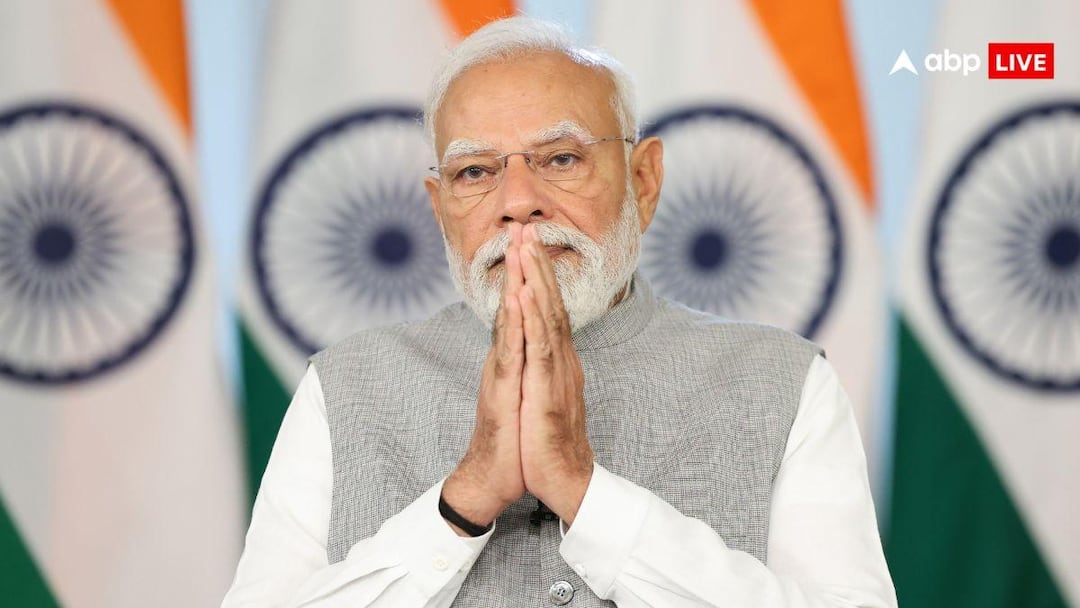
Prime Minister Narendra Modi held a phone conversation with Israeli Prime Minister Benjamin Netanyahu on Sunday (March 1, 2026) as tensions intensified across West Asia following a series of deadly attacks and retaliatory strikes.
The discussion focused on the rapidly evolving situation in the region and the growing concerns over civilian safety.
India Calls For Protection Of Civilians
After the conversation, Mr. Modi shared details on social media platform X, stressing India’s concern over the unfolding developments.
“Conveyed India’s concerns over recent developments and emphasised the safety of civilians as a priority. India reiterates the need for an early cessation of hostilities,” the Prime Minister wrote.
Had a telephone call with PM Benjamin Netanyahu to discuss the current regional situation. Conveyed India’s concerns over recent developments and emphasised the safety of civilians as a priority. India reiterates the need for an early cessation of hostilities.@netanyahu
— Narendra Modi (@narendramodi) March 1, 2026
The call came as the regional conflict escalated, drawing global attention and prompting diplomatic outreach from multiple countries.
PM Modi Also Speaks With UAE President
Later the same night, PM Modi also spoke with United Arab Emirates President Sheikh Mohamed bin Zayed Al Nahyan.
During the conversation, the Indian Prime Minister condemned the attacks targeting the Gulf nation and expressed India’s solidarity with the UAE during the crisis.
According to the statement, India stands firmly with the UAE “in these difficult times.”
Deadly Missile Strike In Israel
Meanwhile, the conflict took a devastating turn on Sunday when an Iranian missile struck the central Israeli city of Beit Shemesh.
Police said the attack killed at least nine people and left 11 others missing. Authorities described it as the deadliest strike in Israel since the current war began.
Escalation After U.S.-Israel Strikes On Iran
The latest developments follow a wave of strikes launched by the United States and Israel against Iran on Saturday (February 28, 2026).
Those strikes reportedly killed Iran’s supreme leader, Ayatollah Ali Khamenei, triggering swift retaliation from Tehran that continued into Sunday.
As the situation unfolds, tensions across West Asia remain high, with the region facing a rapidly escalating cycle of attacks and counterattacks.
Related Video
Emergency Alert: International Atomic Energy Agency Calls Urgent Meeting
Disclaimer : This story is auto aggregated by a computer programme and has not been created or edited by DOWNTHENEWS. Publisher: abplive.com