
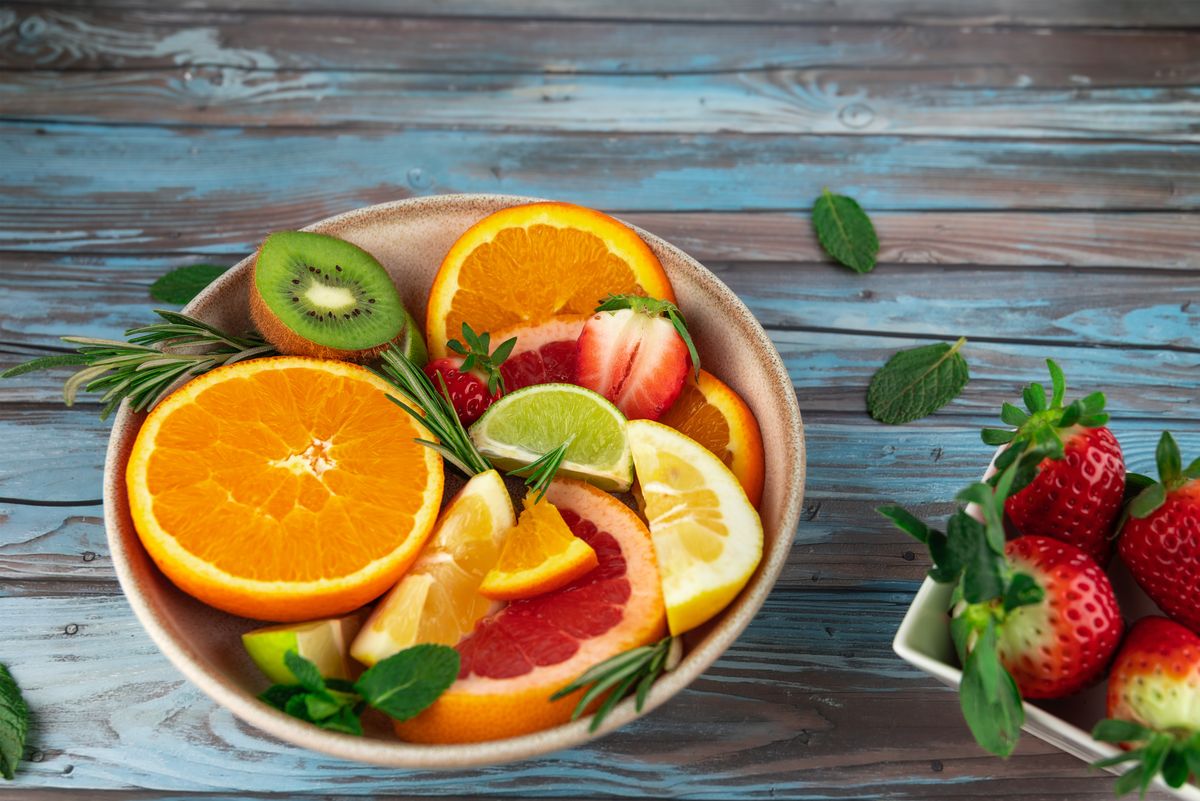
A pharmacist has warned that certain everyday foods could be working against your medication – including statins for cholesterol
A pharmacist has issued a warning that everyday foods could potentially interfere with your medication – and one fruit could affect people taking statins. Certain ingredients can modify how drugs are absorbed, metabolised or activated in the body, often without noticeable symptoms.
Superintendent Lead Pharmacist and Director of Pyramid Pharmacy Group, Amir Bhogal, suggests these interactions are more prevalent than many individuals might think. Amir has outlined six foods that could potentially disrupt your medication and what signs to look out for.
His list addresses antioxidant-packed berries. But it could also have implications for people who like the odd cheese and wine evening.
1) Grapefruit
Grapefruit contains compounds that can affect how your body processes certain medications, particularly those metabolised through the cytochrome P450 enzyme system. This can result in medications lingering in your bloodstream at higher concentrations than planned, possibly leading to unwanted side effects, reports Gloucestershire Live.
Medications such as statins for managing cholesterol, blood pressure drugs like calcium channel blockers, and immunosuppressants are especially susceptible. Many patients may not be aware that both the fresh fruit and juice carry the same risk, and the effect can persist for up to 24 hours after consumption.
2) Leafy greens
Leafy vegetables such as spinach, kale and broccoli offer outstanding nutritional value, yet they’re packed with vitamin K, which works directly against warfarin and similar anticoagulant medicines. The point isn’t cutting out these foods completely, as that would be nutritionally detrimental, but instead keeping consumption steady.
Those taking anticoagulation treatment require consistent vitamin K levels so their medication dosage can be accurately adjusted. Abrupt changes in leafy vegetable consumption can disrupt blood clotting measurements and undermine their medication’s efficacy.
3) Dairy products
Dairy items, especially milk and cheese, are rich in calcium and other minerals which can markedly hinder the absorption of specific antibiotics, notably tetracyclines and fluoroquinolones. When individuals take these medicines alongside dairy, the minerals attach to the drug compounds within the digestive system, blocking adequate absorption into the bloodstream.
This dramatically diminishes the medication’s potency, potentially enabling infections to continue or deteriorate. We generally advise leaving at least two hours between dairy consumption and these antibiotic doses to guarantee sufficient absorption.
4) Tyramine rich foods
Tyramine, an amino acid present in mature cheeses, cured meats, fermented foods and certain soy products, can have a perilous interaction with monoamine oxidase inhibitor (MAOI) medications, typically prescribed for depression and anxiety. When mixed with these drugs, tyramine can trigger a sudden, hazardous surge in blood pressure, a condition referred to as a hypertensive crisis.
The severity of this interaction necessitates that patients on MAOIs receive comprehensive dietary advice and keep a record of foods to steer clear of. The risk is genuine and potentially fatal, so it’s not an issue to be taken lightly.
5) Alcohol
Alcohol can interact unpredictably and sometimes dangerously with numerous types of medication. Beyond the obvious risk of heightened sedation with central nervous system depressants, alcohol can hinder medication metabolism, increase the likelihood of bleeding, cause dangerous drops in blood pressure, and induce severe nausea.
The effects can vary based on the amount consumed and the specific medication involved. I always recommend patients to discuss even moderate alcohol consumption with their pharmacist or doctor to understand the potential interactions with their particular medication.
6) Cranberries
Cranberries, whether taken as juice, supplements or fresh fruit, may interfere with warfarin and other blood-thinning medications. The natural compounds found in cranberries seem to amplify the anticoagulant effects, potentially heightening the risk of bleeding if consumption suddenly rises.
Those who routinely eat or drink cranberry products should continue with their usual intake, whilst individuals who don’t normally have them ought to exercise caution before suddenly adding substantial amounts to their diet whilst on anticoagulants.
Disclaimer : This story is auto aggregated by a computer programme and has not been created or edited by DOWNTHENEWS. Publisher: www.dailyrecord.co.uk



