
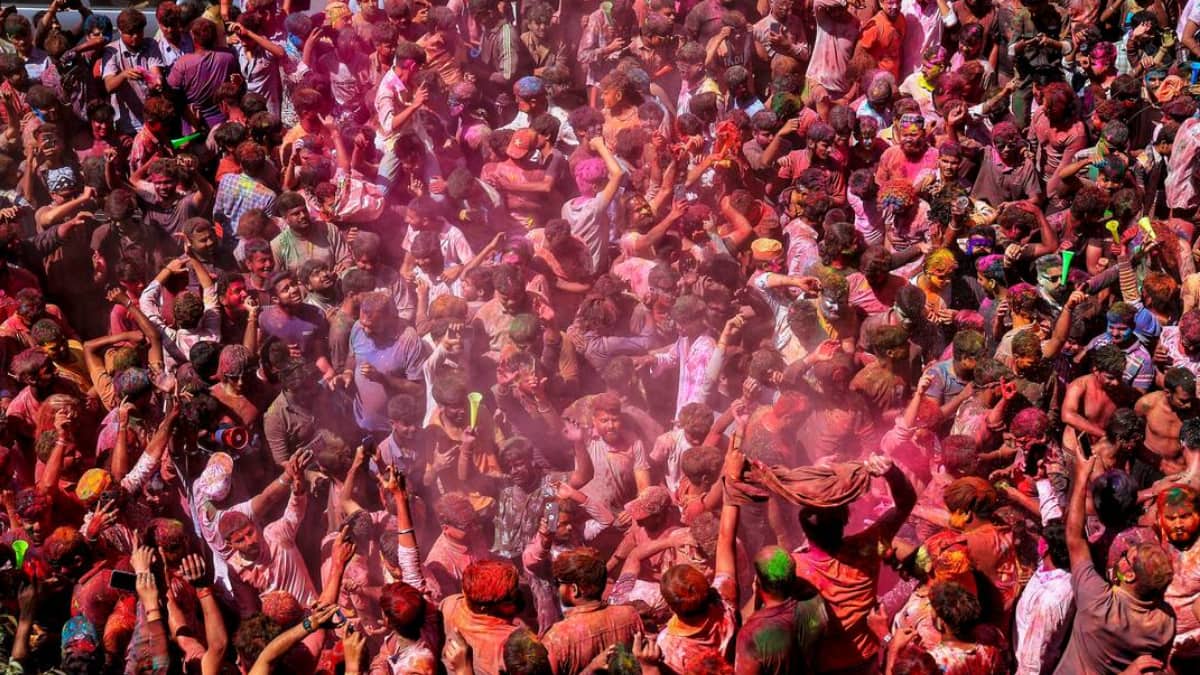
Holi, one of India’s most vibrant and widely celebrated festivals, marks the arrival of spring and the triumph of positivity over negativity. Known as the festival of colours, it brings communities together through joy, music, and vibrant celebrations. As families and friends prepare to smear each other with gulal and exchange festive sweets, many are already searching for the exact date of Holi in 2027.
In 2027, the colourful celebrations will take place on Monday, March 22, while the ritual of Holika Dahan, also called Chhoti Holi, will be observed the evening before on Sunday, March 21. The festival falls on the full moon day (Purnima) of the Hindu month of Phalgun, a time traditionally associated with renewal and celebration.
ALSO READ: Three Pradosh Vrats In March 2026: Check Out The Full Dates, Muhurat, Significance, And More
Holi 2027: Date And Key Timings
According to the Hindu Panchang, the festival’s timings revolve around the Phalgun Purnima.
Key Details for Holi 2027:
- Holika Dahan: Sunday, March 21, 2027
- Holi (Dhulandi / Festival of Colours): Monday, March 22, 2027
- Purnima Tithi Begins: 06:21 PM on March 21, 2027
- Purnima Tithi Ends: 04:13 PM on March 22, 2027
Traditionally, Holika Dahan is performed after sunset, when devotees gather around the ceremonial bonfire to offer prayers. The following day is dedicated to playing with colours, symbolising joy, unity, and the welcoming of spring.
Why Holika Dahan Is Observed
The ritual of Holika Dahan is deeply rooted in Hindu mythology and symbolises the victory of devotion and righteousness over evil.
According to the Puranas, the demon king Hiranyakashyap grew furious when his son Prahlad refused to worship him and remained devoted to Lord Vishnu. In anger, the king asked his sister Holika, who possessed a boon that protected her from fire, to sit in flames with Prahlad in her lap.
However, events unfolded differently. Holika was reduced to ashes in the fire, while Prahlad emerged unharmed due to his unwavering devotion to Lord Vishnu. This story is remembered every year through the burning of Holika, symbolising that faith and goodness ultimately prevail over arrogance and evil.
Historical References To Holi
Holi’s roots stretch far back in Indian history. Historical records suggest that the festival was celebrated centuries ago across various regions of the subcontinent.
One notable example comes from Hampi, the former capital of the Vijayanagara Empire, where a 16th-century painting depicts Holi celebrations. Additionally, inscriptions discovered near Ramgarh in the Vindhya region, believed to be over 300 years older than the Common Era, also reference the festival.
Some traditions also connect the celebration with Lord Krishna, who is believed to have defeated the demoness Putana around this time. In joyful celebration, the gopis are said to have played with colours alongside him, an act that later became symbolic of Holi festivities.
Related Video
Magh Mela: Triveni Sangam Witnesses Sea of Faith on First Snan of Magh Mela
Disclaimer : This story is auto aggregated by a computer programme and has not been created or edited by DOWNTHENEWS. Publisher: abplive.com



