Several long-standing US allies have pushed back against calls from Donald Trump to deploy warships in the Strait of Hormuz, exposing widening cracks in Western unity as the conflict involving Iran enters its third week.
The vital maritime corridor, responsible for roughly a fifth of global oil and liquefied natural gas flows, remains largely shut after Iran moved to block passage using drones and naval mines. The disruption has already rattled energy markets, fuelling fears of rising inflation and prolonged economic strain.
Allies Hold Back, Cite Legal and Strategic Concerns
A number of key partners, including Germany, Spain and Italy, have made it clear they are not preparing to send naval forces to the region.
German Chancellor Friedrich Merz said Berlin lacks the necessary mandate from international bodies such as the United Nations, the European Union or NATO to justify military involvement. He stressed that Germany had not been consulted ahead of the strikes that triggered the current escalation.
“There was never a joint decision,” Merz said, adding that military participation was therefore off the table. While he criticised Iran’s leadership, he warned that forcing change through bombing was unlikely to succeed based on past experience.
Across Europe, leaders have instead leaned towards diplomacy, urging efforts to reopen the strait without widening the conflict. Italy’s foreign minister, Antonio Tajani, echoed that stance, insisting diplomacy must take precedence and ruling out extending existing EU naval missions, which are limited to anti-piracy operations.
Trump Voices Frustration as Support Falters
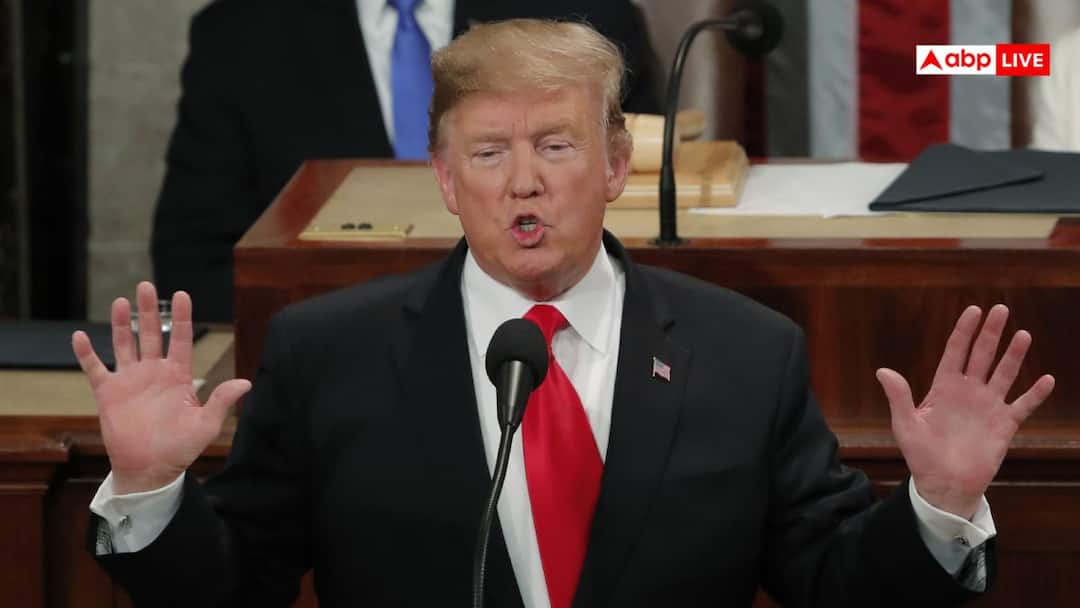
Speaking in Washington, Trump acknowledged mixed responses from allies but did little to hide his irritation. He accused some nations, long reliant on US security guarantees, of failing to step up when it mattered.
“Some are very enthusiastic about it, and some aren’t,” he said, adding that the level of support “matters” to him.
The US president has repeatedly urged countries benefiting from the strait’s trade routes to take responsibility for safeguarding it. In a recent interview, he warned that a lack of cooperation could have serious implications for the future of NATO.
UK Signals Caution, Not Commitment
British Prime Minister Keir Starmer struck a more cautious tone, saying the UK would not be drawn into a broader war but remained engaged in efforts to stabilise the situation.
Reopening the strait, he said, was essential for global market stability, but far from straightforward. Any action, he added, would need broad international backing.
Meanwhile, countries including Australia, France and Japan have also indicated they have no immediate plans to send naval forces.
Related Video
Breaking: Iran Strikes Dubai Airport with Drones, Flights Halted Amid Gulf Tensions
Disclaimer : This story is auto aggregated by a computer programme and has not been created or edited by DOWNTHENEWS. Publisher: abplive.com