
As LPG shortages continue to dominate headlines and kitchens across the country feel the pinch, it’s easy to get caught up in what’s not working. But in a quiet corner of Akola, one school is doing the exact opposite — reimagining what a kitchen can look like when you plan for the future, not just react to the present.
A school that chose solutions over struggle
At Prabhat Day Boarding School, cooking for nearly 1,500 students every single day is no small task. But what makes this feat truly remarkable is that not a single LPG cylinder is used in the process.
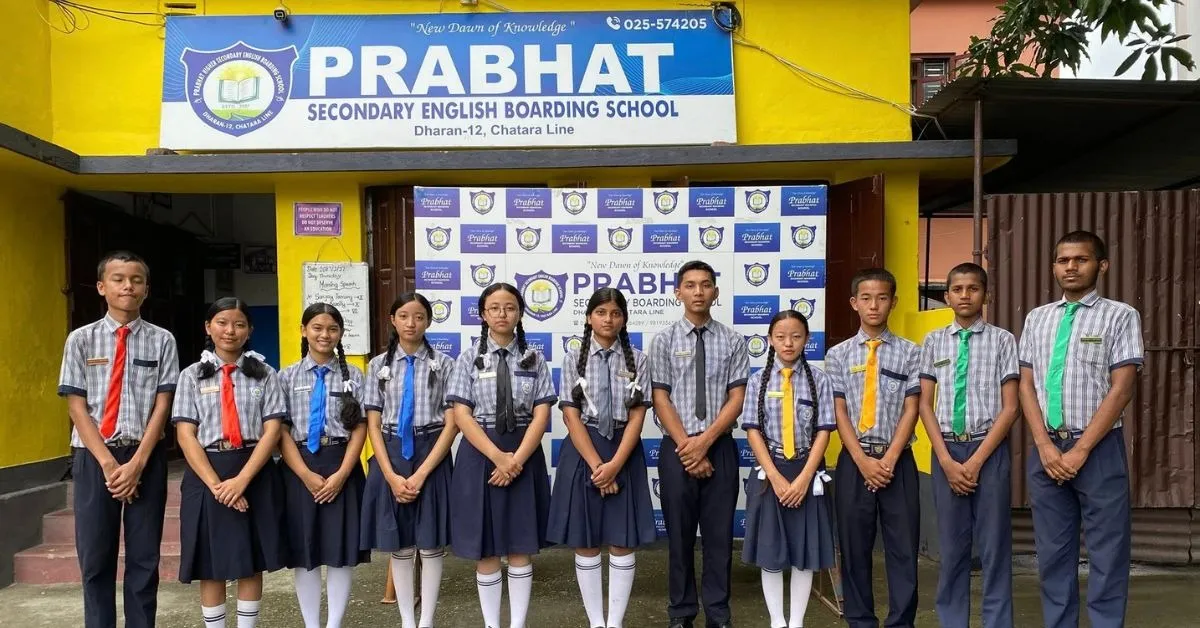
Photograph: (Facebook/Prabhat Secondary English Boarding School)
Installed nearly a decade ago, the school’s “flameless kitchen” isn’t a recent reaction to the crisis — it’s the result of long-term thinking and a conscious decision to reduce dependency on conventional fuels. And today, that foresight is paying off in the most inspiring way.
How a flameless kitchen actually works
Instead of traditional gas burners, the school uses a thermic fluid heating system. In simple terms, heated oil circulates through pipes, transferring consistent heat to cooking vessels without any direct flame.
This system is powered by biomass-based fuel pellets made from agricultural waste, turning crop residue into a reliable energy source.
The result?
It’s a shift that feels almost futuristic, yet it’s grounded in something beautifully simple: using what we already have, more wisely.
A safer, cooler, more human kitchen
Beyond efficiency, the impact is deeply human. Anyone who has stepped into a large kitchen knows how intense the heat from gas stoves can be, especially during peak summer.
But here, the absence of open flames keeps temperatures far more manageable, making the space safer and more comfortable for staff.
There’s also a significant reduction in risks like gas leaks or cylinder explosions, creating a more secure working environment.
And perhaps most importantly, the system produces negligible carbon emissions compared to conventional methods, contributing to a cleaner environment.
What this means in today’s context
At a time when fuel shortages and rising costs are disrupting daily life, this school stands as a powerful reminder: resilience isn’t built overnight; it’s designed over time.
/filters:format(webp)/english-betterindia/media/media_files/2026/03/17/prabhat-day-boarding-school-maharastra-2026-03-17-12-33-01.jpg)
What Prabhat Day Boarding School has done is not just adopt a new technology but reimagine a system we often take for granted.
Their kitchen continues to run uninterrupted, unaffected by supply chain uncertainties, proving that sustainable alternatives are not just environmentally responsible but also practical and reliable.
What we can learn from this
Something is reassuring about this story, especially in the way it turns a challenge into a long-term solution. It tells us that innovation doesn’t always have to be complex or high-tech — sometimes, it’s about rethinking everyday processes with intention. It shows how institutions, even at a school level, can lead by example. And it reminds us that solutions to big problems often begin with small, early decisions.
In a world reacting to crises, this school chose to prepare for them.
And today, as thousands of students are served warm meals daily, without a single flame. It’s clear: the future of sustainable living isn’t far away, it’s already here, quietly cooking in a school kitchen in Akola.
Source
‘Akola School cooks meals daily for 1500 students with flameless kitchen’ by Dhanajay Sable for The Times of India, Published on 15 March 2026.
Disclaimer : This story is auto aggregated by a computer programme and has not been created or edited by DOWNTHENEWS. Publisher: thebetterindia.com



