

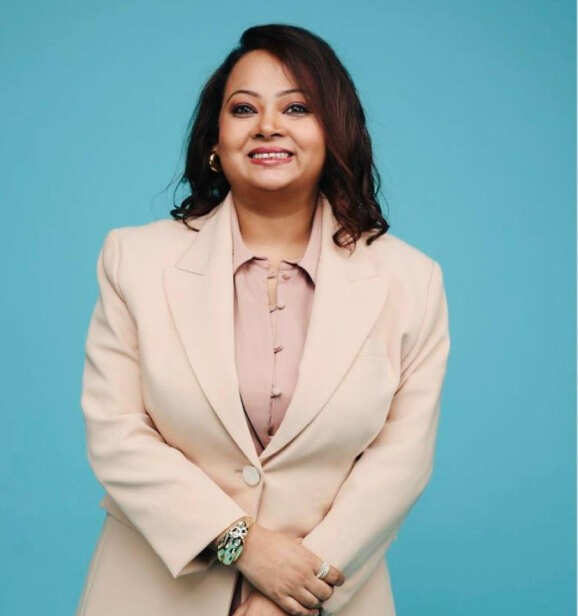
In this conversation, Moitra discusses the creation of Single Papa, the evolving culture of writers’ rooms, and why diversity in storytelling needs to extend beyond gender. She also reflects on the criticism around Four More Shots Please!, the invisibility of writers, and her experience of working with Karan Johar and Dharma Productions.
Excerpts:
We don’t think twice when we see a woman travelling alone with a child. It’s an ordinary sight. But seeing a man with a baby isn’t something you come across every day. Once, on our way to Goa, Neeraj and I noticed a man travelling with his child. We didn’t know whether he was a single dad, divorced or travelling separately from his wife. At one point, he needed to change the baby’s diaper, and that’s when we realised how unprepared the world is for men in that situation. Most male washrooms do not have changing stations, but women’s restrooms have them. You assume that changing diapers is a woman’s job.
That moment stayed with us. We discovered that in India, it is legally possible for a single father to adopt a boy, but it is a difficult process. The more we explored it, the more we felt it could make for a compelling story. We began writing the show, but at that point, we weren’t parents. We had the structure and the idea in place, but something was missing, so we put it aside. Later, after our daughter was born, we realised what was missing. After that, we pitched it to Netflix, and it was picked up immediately.
Diversity in writing isn’t just about gender or orientation. If all of us are from the same socioeconomic background, then we will be looking at the world in a particular way and writing the same kind of stories. We should have writers with different experiences or from different economic backgrounds, who have seen a different version of reality than you. You get something new and interesting when those voices interact with each other. That diversity needs to come into our writer’s room.
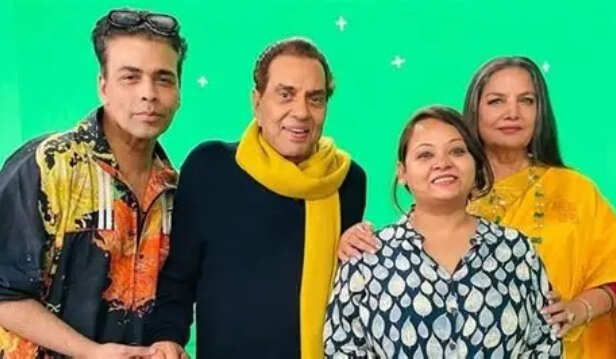
There are a lot of perceptions and opinions about Karan Johar and Dharma. As someone who has worked closely with him, what do you think people misunderstand the most about him?
How do you define your core voice as a writer?
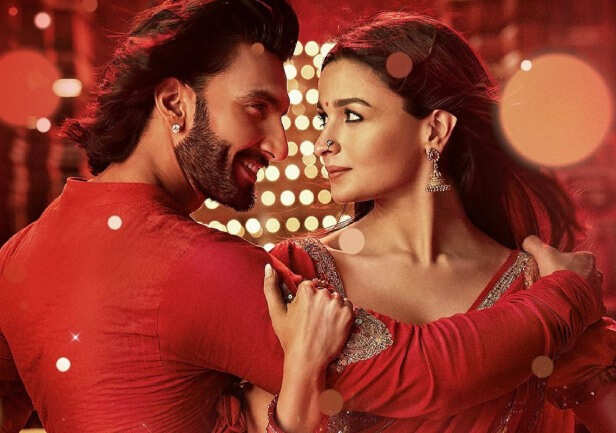
When your name comes up in a dark theatre, and you hear people watching, reacting, even clapping, that experience of sitting there is unmatched. When I watched Rocky Aur Rani Kii Prem Kahaani, I would find myself staring at the audience and watching their reactions. There’s something special about being in an auditorium full of people, all watching something you’ve written and worked on together.
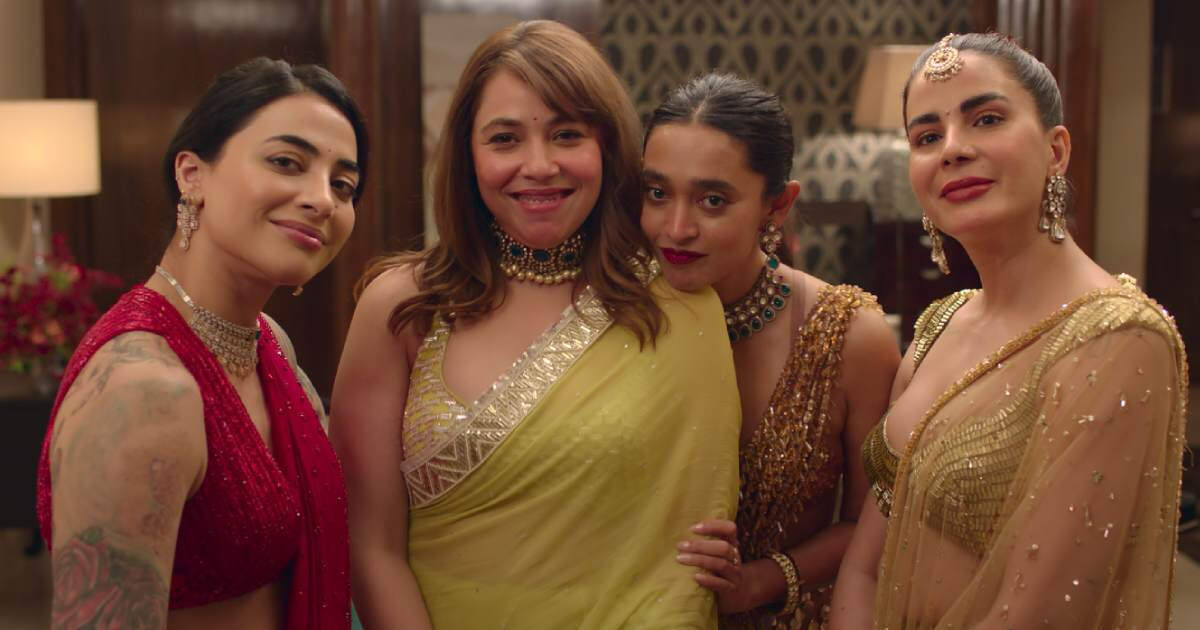
India had never seen women have the kind of conversations they did in the show. We started working on this show 9-10 years ago. When you’re younger, you think more about other people. But as you grow, you stop caring about people’s opinions. It’s a similar thing that happened to all of us while working on the show. By the end of it, we were doing what we thought was right. It has been amazing to be associated with this show.
In the beginning, it used to bother us because people called us fake feminists. But it does not bother me now. This show has also taught me how to have thick skin. As a woman, if you want to achieve anything, you have to get a thick skin. The story is about four women, and it is set in Mumbai. So it will talk about their lives. If it were set in a city like Jabalpur, it would have been a different story. Somebody should do a show on that. But when you watch Four More Shots, you know exactly what to expect. That doesn’t make it fake or real. I remember people wondering if we would know the price of vegetables!
I don’t know how soon it is going to come on the platform. We’re shooting it right now. We have taken note of everything that people loved about the show. We hope that there’s more of every one of those characters or tracks that people enjoyed. That’s our attempt. We are also trying to keep it as funny as the first season.
I would tell them to read screenplays to understand how things are written. A lot of new writers don’t watch older Hindi films. Watch world cinema, but also watch our work and familiarise yourself with what has already been done here.
Shah Rukh Khan! It can be any genre. I enjoyed his performance in Devdas, and it would be great to see him do a period drama like that again.
Disclaimer : This story is auto aggregated by a computer programme and has not been created or edited by DOWNTHENEWS. Publisher: filmfare.com









